




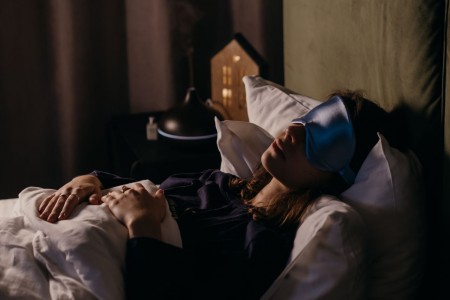
The research results reinforce the need to look at sleep in a more integrated way in clinical practice: there is growing recognition, in the training of health professionals, of the influence of sleep disorders on diseases and physiological changes (photo by Polina/Pexels)
Research involving residents of São Paulo (Brazil) suggests a bidirectional relationship between the two conditions and indicates the benefits of hormone therapy for improving sleep quality.
Research involving residents of São Paulo (Brazil) suggests a bidirectional relationship between the two conditions and indicates the benefits of hormone therapy for improving sleep quality.
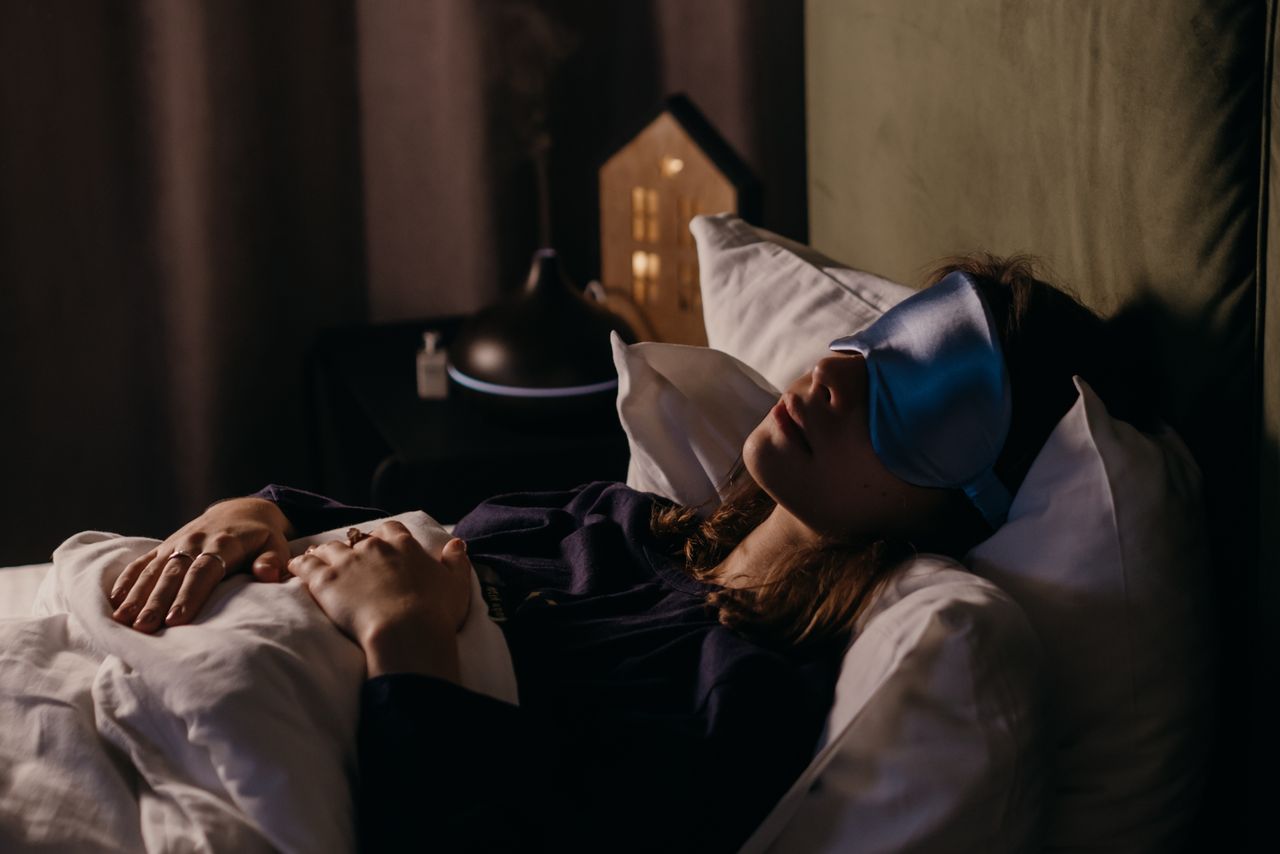
The research results reinforce the need to look at sleep in a more integrated way in clinical practice: there is growing recognition, in the training of health professionals, of the influence of sleep disorders on diseases and physiological changes (photo by Polina/Pexels)
By Fernanda Bassette | Agência FAPESP – According to a study conducted in Brazil by researchers at the Federal University of São Paulo (UNIFESP) with participants from the São Paulo Epidemiological Sleep Study (EPISONO 2018), people with hypothyroidism experience a higher frequency and severity of obstructive sleep apnea (OSA). The results also indicated that patients receiving hormone replacement therapy for thyroid dysfunction slept longer and spent more time in deep sleep.
The researchers from UNIFESP’s Department of Psychobiology analyzed data from 761 São Paulo residents who underwent laboratory tests and polysomnography, the gold-standard test that monitors various sleep parameters over an entire night. Hypothyroidism was identified in 12.6% of the sample, nearly half of whom (49.5%) had OSA. The study was supported by FAPESP (projects 20/13467-8 and 21/13004-0) and was published in May in the scientific journal Sleep.
“We expected the prevalence of sleep apnea to be considerable among people with hypothyroidism, but the result was higher than we’d imagined. Studies in the literature typically report figures averaging between 30% and 40%, but we found that nearly half of our participants had both conditions,” says Ellen Maria Sampaio Xerfan, the first author of the study.
Hypothyroidism is a condition characterized by insufficient production of hormones by the thyroid, a gland located in the neck that regulates functions such as metabolism, body temperature, heart rate, and energy expenditure. The most common cause is Hashimoto’s thyroiditis, an autoimmune disease in which the immune system attacks the cells of the thyroid gland. Common symptoms include fatigue, drowsiness, weight gain, hair loss, dry skin, constipation, and difficulty concentrating. The prevalence of hypothyroidism varies by population, but estimates suggest that 4% to 8% of people are affected by the condition.
OSA, on the other hand, occurs when there are repeated interruptions in breathing during sleep due to partial or total blockage of the airways. The condition causes a drop in oxygen levels and fragmented sleep, leading to snoring, daytime sleepiness, and difficulty concentrating. OSA is also associated with an increased risk of cardiovascular and metabolic diseases.
Xerfan explains that the researchers are interested in the relationship between the thyroid and sleep because both play a role in maintaining body balance, or homeostasis. The thyroid is part of a hormonal system that regulates various bodily functions, and sleep is essential for physical recovery and hormonal regulation. “Sleep and the thyroid are linked to fundamental mechanisms of homeostasis. There’s a complex interaction between the two systems, and sleep disturbances can influence hormonal regulation just as thyroid dysfunction can affect sleep quality,” he explains.
The results of the study support this hypothesis. Compared to other participants, people with hypothyroidism had more fragmented sleep, woke up more often throughout the night, and experienced more OSA. The study also showed that the higher the levels of TSH (a hormone used to assess thyroid function), the greater the likelihood of having more severe forms of apnea.
The analysis also revealed the reverse relationship. Characteristics associated with poorer sleep quality and more severe apnea were linked to a higher likelihood of hypothyroidism. This was one of the most significant findings for the researchers, as it suggests a possible bidirectional relationship between the two conditions.
Professor Monica Levy Andersen, the study advisor, stated that the results reinforce the need for a more integrated approach to sleep in clinical practice. “Today, when a patient seeks care, sleep is rarely investigated in depth. Patients often report fatigue, metabolic changes, or other symptoms, but it isn’t always considered that a sleep disorder might be contributing to these symptoms,” she says.
According to Andersen, this scenario reflects a relatively recent shift in medicine. Just a few decades ago, sleep disorders were rarely addressed in the training of healthcare professionals. Today, however, there is growing recognition that sleep-related problems can influence everything from cardiovascular and metabolic diseases to hormonal, immunological, and cognitive changes.
The researcher acknowledges that it is not yet possible to determine which condition arises first, but the results suggest that thyroid changes and sleep disorders may influence one another. “The main message is the importance of investigating this interaction. Often, healthcare professionals are aware of one problem but don’t consider the possibility that the other might be present at the same time,” says Andersen.
Importance of treatment
The study also investigated the impact of hypothyroidism treatment on sleep. Among participants diagnosed with the condition, those who received hormone replacement therapy slept about 49 minutes longer per night, on average, than those who were untreated. They also spent about 22 more minutes in stage N3, also known as deep sleep. “This stage of sleep is related to the body’s repair processes, memory consolidation, and tissue recovery. The fact that treated patients spend more time in this stage suggests a positive effect of hormone replacement on sleep architecture,” says Xerfan.
For Andersen, the results reinforce the importance of proper hypothyroidism treatment. “Levothyroxine replacement helps regulate thyroid hormone levels and has been associated with improvements in total sleep duration and sleep architecture. This can contribute not only to disease control, but also to a better quality of life,” she states.
The researchers emphasize that both sleep apnea and hypothyroidism are associated with an increased cardiovascular risk if left untreated. Sleep apnea causes repeated drops in oxygen levels during the night, which increases strain on the cardiovascular system. Hypothyroidism, on the other hand, promotes metabolic changes and weight gain, which are also factors that raise the risk of complications. When the two conditions coexist, their effects can be additive.
According to Andersen, treating one condition does not necessarily replace treatment for the other. “The evidence suggests that treating hypothyroidism may improve certain sleep parameters, but it doesn’t eliminate the need to evaluate and treat sleep apnea specifically. They’re two distinct conditions that can interact and amplify cardiovascular risks,” she states.
Further studies are needed to clarify the mechanisms involved, but the authors plan to analyze follow-up data from EPISONO participants to investigate whether sleep apnea interventions are associated with changes in thyroid function parameters, for example.
“The main message is that healthcare professionals caring for patients with sleep apnea should consider evaluating thyroid function. Similarly, people with hypothyroidism may benefit from an assessment of possible sleep disorders. Early diagnosis and appropriate treatment of both conditions have the potential to improve quality of life and reduce health risks,” Xerfan concludes.
The article “1040 sleep traits and obstructive sleep apnea in hypothyroidism: Findings from the EPISONO database” can be read at academic.oup.com/sleep/article/49/Supplement_1/A463/8674319.
The Agency FAPESP licenses news via Creative Commons (CC-BY-NC-ND) so that they can be republished free of charge and in a simple way by other digital or printed vehicles. Agência FAPESP must be credited as the source of the content being republished and the name of the reporter (if any) must be attributed. Using the HMTL button below allows compliance with these rules, detailed in Digital Republishing Policy FAPESP.
