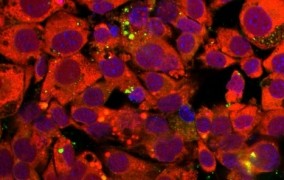
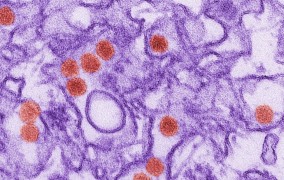
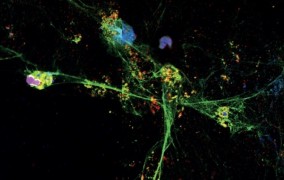
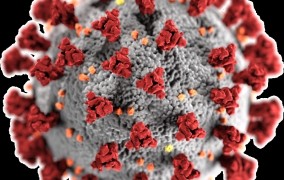
A study showed that the novel coronavirus can infect human adipocytes and that the viral load is three times higher in aged adipose cells. The results may help us understand why people with obesity and those who are older are more at risk of developing the severe form of COVID-19.
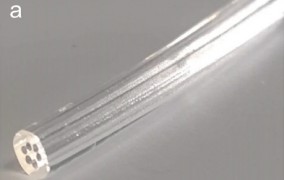
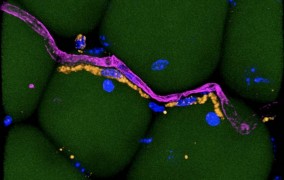
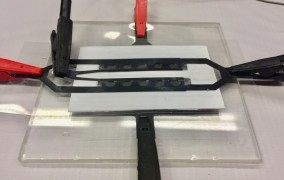
Edible, biocompatible and biodegradable, these fibers have potential for various medical applications. The results are described in the journal Scientific Reports.
Researchers used statistical techniques to analyze data of 126 countries. The variables that intensified contagion at the start of the outbreak included low temperature, a large proportion of older people, foreign tourist arrivals, and greeting habits involving physical contact.
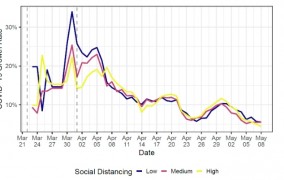
The reduction resulting from implementation of these measures in São Paulo has been calculated for the period between mid-March and early May using a mathematical model developed by a FAPESP-funded research center. The scientists also estimated that these two public health measures reduced the peak of transmission by 25% in Brasília.
Program developed by startup with FAPESP’s support was initially designed to train cognitive skills and help improve physical fitness but will now have extended functionality.
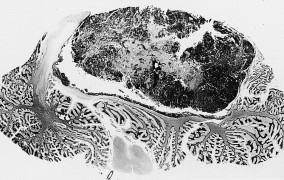
When tested in vitro, arsenic trioxide killed tumor cells and prevented the formation of new colonies. This leukemia drug also boosted the effect of radiation therapy on medulloblastoma, a type of central nervous system tumor most common in children
The compound inhibited the action of a protein activated by the virus to suppress the host’s immune response. The therapy also proved effective against dengue virus and will be tested at the University of São Paulo against coronavirus.
Brazilian researchers showed that the degree of suffering caused by the pandemic and social isolation can be measured by interpreting dream narratives with the aid of speech analysis tools.
Testing has begun in Brazilian volunteers of two candidate vaccines at an advanced stage of development. In an online seminar co-organized by Agência FAPESP, researchers involved in Phase 3 clinical trials said the more vaccines are approved, the better mankind’s chances of controlling COVID-19.
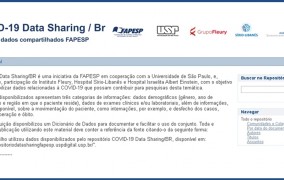
Platform created by FAPESP in partnership with University of São Paulo, Albert Einstein Jewish Hospital, Hospital Sírio-Libanês and Fleury Group begins providing access to data for more than 177,000 patients, 5 million clinical examinations and 9,600 outcomes.
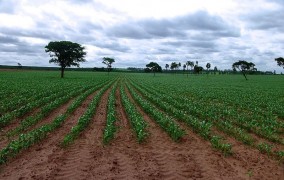
The so-called safrinha could suffer from extreme drought events in the Center-West, Southeast and South caused by global warming, according to a study supported by FAPESP and Belmont Forum.
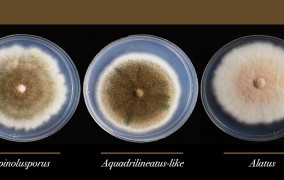
This is the first time Aspergillus latus has been found in a hospital. The species is more drug-resistant than its two parents and highly dangerous for patients with respiratory diseases and compromised immune systems. The researchers will now investigate the role of fungi in COVID-19.
Discovery by Brazilian researcher reported in Royal Astronomical Society’s Monthly Notices provides clues for understanding the star nursery from which the Sun emerged.
Assembled over a five-year period by the University of São Paulo’s Medicinal Chemistry Group, the material will be tested for treating infected cells. The goal of the research is to find a compound that inhibits the key enzyme in the replication of SARS-CoV-2 without affecting human cells.
The open-access tool was developed in Brazil by researchers at the Center for Mathematical Sciences Applied to Industry to minimize the risk of shortages and overspending.
The protein, which is involved in the mechanism of the plant’s response to water and thermal stresses and to invasion by fungi, has been named DRIK1. It could help develop drought-resistant plant varieties and products that reduce losses related to climate change.
In laboratory tests, the material inactivated 99.9% of SARS-CoV-2 in two minutes. The technology developed by the startup, which is supported by FAPESP, will be used to produce face masks and hospital apparel.
Based on placental cell gene expression data and computer simulations, Brazilian researchers concluded that the virus may use the placental proteins DPP4 and CTSL as an alternative point of entry into human cells.
The study will analyze how the disease affects different communities in Brazil and the US based on social and demographic characteristics related to drivers of environmental vulnerability.
Study conducted by the FAPESP-funded Center for Research on Inflammatory Diseases (CRID) shows that drug currently used to treat cystic fibrosis can help prevent complications from infection by SARS-CoV-2.
The platform contains data on 75,000 patients, 6,500 sets of outcome data, and 1.6 million clinical examinations and laboratory tests. The University of São Paulo, Fleury Group, Hospital Sírio-Libanês and Albert Einstein Jewish Hospital are participating.
The website developed by researchers at the University of São Paulo includes videos, illustrations, texts and posters with information on the right way to put on and take off masks, gloves, gowns and other items.
Synthetic compounds and molecules derived from natural products belonging to Brazil’s biodiversity are being screened by teams at the Center for Innovation in Biodiversity and Drug Discovery, which is supported by FAPESP.
Experiments were conducted by scientists affiliated with the Center of Excellence in New Target Discovery, a research center supported by FAPESP, involving five animals with spontaneous skin tumors.
The project is supported by FAPESP’s Innovative Research in Small Business Program. The firm plans to produce ELISA kits that will detect antibodies against the novel coronavirus in blood serum.
Brazilian researchers are the only Latin American group to have had a project selected in an international request for applications by the Chan Zuckerberg Initiative. Funding of more USD 175,000 has been awarded to the study, which will be the first in Brazil to use single-cell analysis.
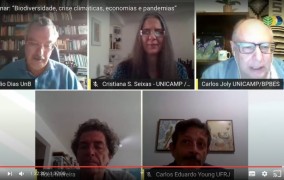
This was the main scientific position to emerge from the online seminar “Biodiversity, climate crisis, economies and pandemics” organized with FAPESP’s support via its program focused on biodiversity.
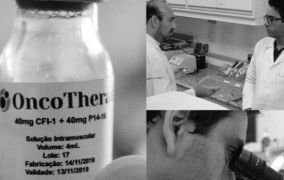
Researchers at the University of Campinas tested the Brazilian immunotherapy drug OncoTherad on five patients who contracted the disease while being treated for bladder cancer. The drug attenuated the inflammation in their lungs and shortened their hospital stay.
A formulation could be used in patients at risk of respiratory failure to prevent their condition from deteriorating. This methodology has been used to treat HIV/AIDS by an international group of scientists led by Brazilian researchers.
In a review article published in the American Journal of Physiology, Brazilian researchers present scientific evidence on the impact of short periods of inactivity on the cardiovascular system and recommend exercise to stay fit at home during the pandemic.
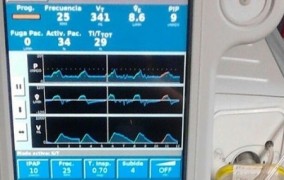
Through a project supported by FAPESP, the São Paulo-based firm Setup is developing two portable ventilators. More robust and easier to operate than standard devices, they are designed for use in ICUs and field hospitals.
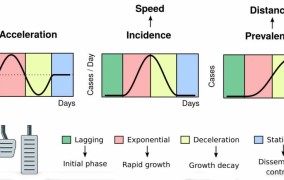
Online application shows in real time whether the disease is spreading faster or slower in over 200 countries and helps evaluate the effectiveness of public policies aimed at containing the pandemic.
Pre-clinical trial will identify the formulation and concentration capable of inducing a rapid and lasting immune response, before further development and testing.
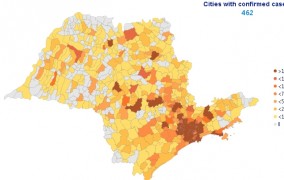
Hub cities far from state capitals can accelerate interiorization of the disease, according to a collaboration involving universities and the national disaster surveillance center.
Study shows that São Paulo City has eight distinct urban groups in economic, social and cultural terms, making effective action against the pandemic a challenge.
Scientists affiliated with a research center supported by FAPESP set out to understand the strategies used by immune cells to combat the most severe phase of the disease.
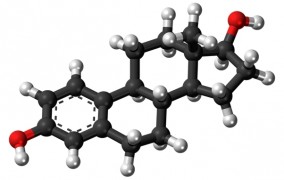
A study supported by FAPESP is investigating the possibility that estrogens inhibit the progression of the disease. The goal is to find medications for the treatment of COVID-19.
Only 13.8% of the workforce has jobs in sectors not badly hit by social isolation according to a research network set up to propose ways of improving the quality of government policies for dealing with the crisis.
Companies and research groups can use the infrastructure at the University of São Paulo to obtain measurements and develop equipment, circuits and devices that operate at frequencies up to 110 gigahertz.
Brazilian researchers are developing a strategy to induce mutations in the gene that encodes ACE-2, the protein used by SARS-CoV-2 to invade human cells. The goal is to disrupt the protein’s interaction with the virus without impairing its function in the organism.
Scientists at the University of São Paulo in Brazil, in collaboration with colleagues at the University of Bath in the UK, aim to find ways of inhibiting gene exchange between fungi in order to reduce resistance to fungicide.
Some 300,000 older people live alone in São Paulo City, and more than 8,000 say they have no one to turn to for help. A study supported by FAPESP describe their vulnerability in the ongoing public health crisis.
The international trade in timber, tobacco, cocoa, coffee and cotton accounts for a high proportion of malaria risk in exporter countries, according to a collaborative study by scientists in Brazil and Australia published in Nature Communications.
The device will identify parts of the virus’s RNA in the saliva of infected subjects. Other initiatives by the research group at the Federal University of São Carlos include developing sensors to look for the pathogen in the air and in sewerage systems.