





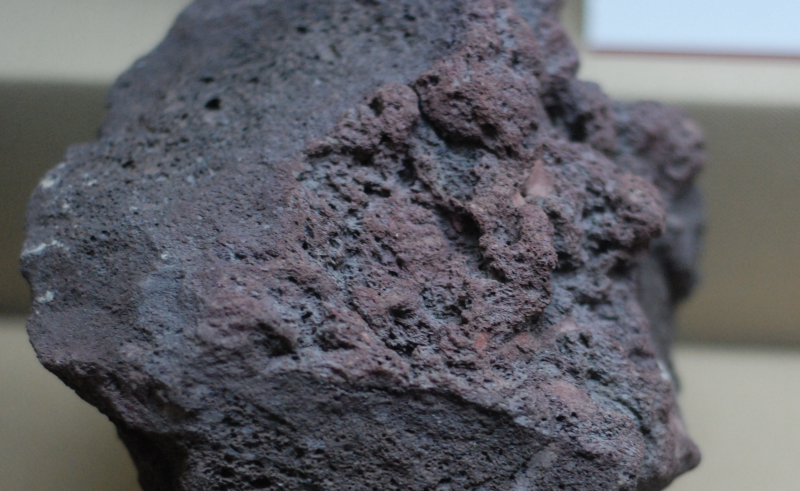
Agência FAPESP* – The Research Center for Greenhouse Gas Innovation (RCGI) and Equinor are developing the Carbon Storage in Brazilian Basalts (CABRA) project. With investments totaling approximately BRL 10 million, this research, development, and innovation initiative will evaluate the potential of basalt formations to store CO₂ from bioethanol plants.
The RCGI is an Applied Research Center (ARC) established with support from FAPESP and Shell. It is headquartered at the Engineering School of the University of São Paulo (POLI-USP) in Brazil and has the participation of other companies. Equinor is a global energy company that has been operating in Brazil for over 20 years.
The project will focus on the basaltic formations of the Paraná Sedimentary Basin, where the bioethanol plants of the Southeast of Brazil are concentrated. These igneous rocks, formed by the cooling of magma on the Earth’s surface, have chemical characteristics that allow them to rapidly react with injected CO₂, transforming it into solid minerals.
In addition to geological characterization, the necessary engineering studies for implementing a potential pilot project will be conducted. The aim is to assess the capacity for injection, storage volume, and mineralization time of injected CO₂ within the rock formations.
“The CABRA project reinforces the RCGI’s commitment to developing scientific solutions that contribute to the decarbonization of Brazil’s energy matrix. The initiative combines academic excellence with the experience of a global energy company and has the potential to generate high-impact knowledge and technologies for the country,” states Julio Meneghini, scientific director of the RCGI.
Brazil is a leader in bioenergy generation and is the world’s largest producer of ethanol from sugarcane. While this is a more sustainable alternative to fossil fuels, the production process still emits CO₂. Integrating bioethanol production with carbon capture and geological storage technologies could reverse this imbalance.
* With information from the RCGI Press Office
Republish
The Agency FAPESP licenses news via Creative Commons (CC-BY-NC-ND) so that they can be republished free of charge and in a simple way by other digital or printed vehicles. Agência FAPESP must be credited as the source of the content being republished and the name of the reporter (if any) must be attributed. Using the HMTL button below allows compliance with these rules, detailed in Digital Republishing Policy FAPESP.
