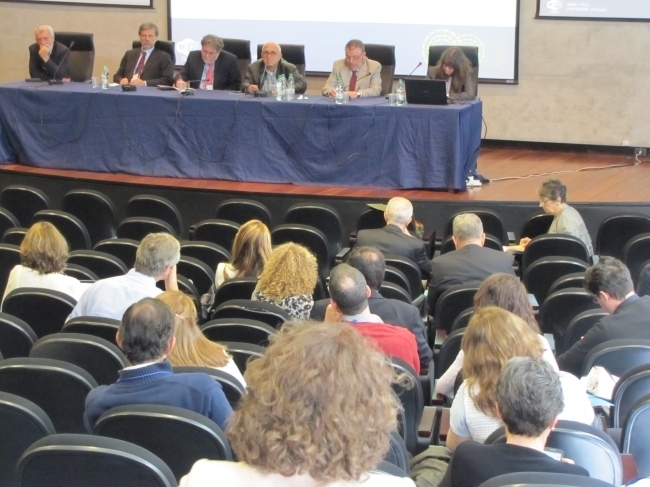
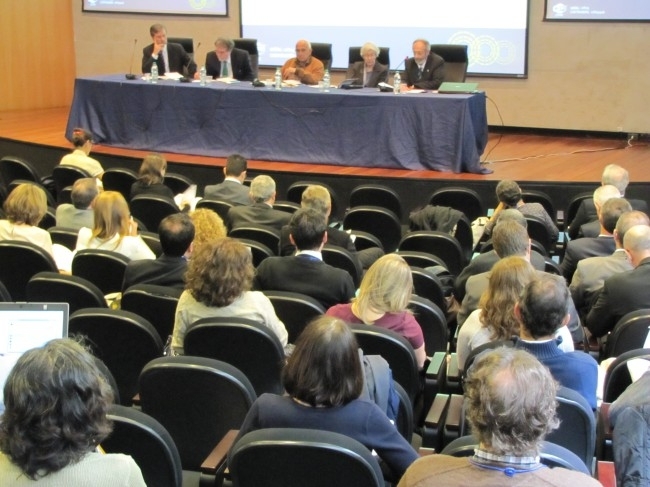
Symposium on drug discovery aims to disseminate culture of innovation and explore ways to facilitate conversion of basic research into drugs and other innovative products.
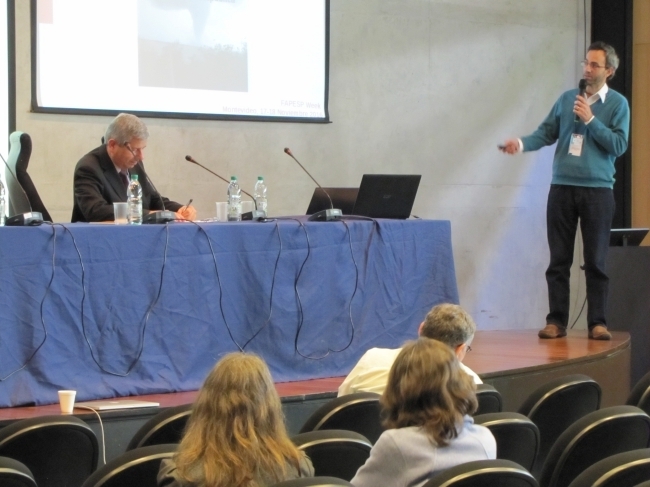
In a presentation at FAPESP, German researcher Frank Allgöwer spoke about how cybernetic engineering and human sciences can contribute to a better understanding and control of complex dynamic systems in the future
Researchers affiliated with GOAmazon and the Large Scale Biosphere-Atmosphere Experiment in Amazonia presented the findings of projects conducted in recent years and discussed priorities for 2017-21
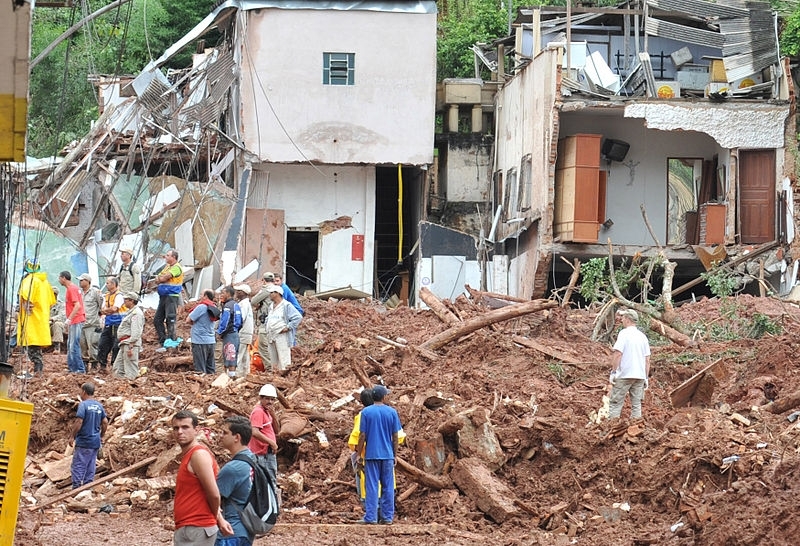
Limited funds and technical capacity make smaller towns more vulnerable to environmental disasters, whereas scale is the main challenge for large cities.
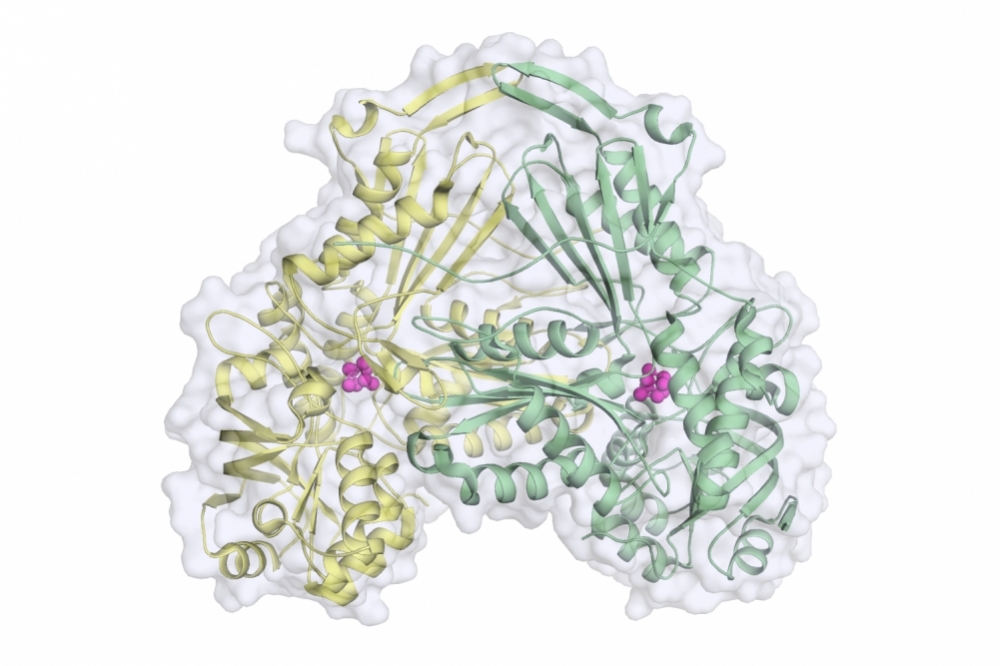
Studies in mice suggest that two drugs capable of inhibiting the enzyme TrxR-1 – already available commercially for other purposes – reduce inflammation and mortality in patients with sepsis.
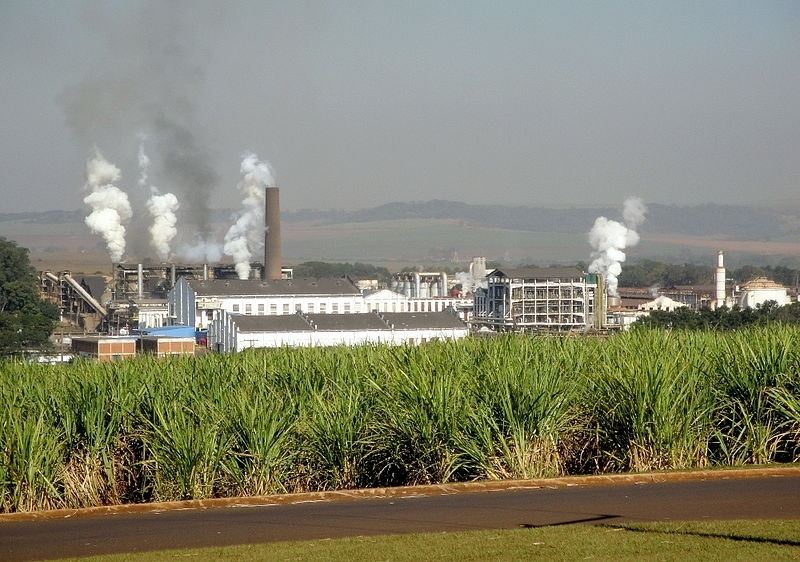
Projects selected through this joint call for proposals will develop novel routes for the production of biofuels from non-conventional feedstocks, as well as high-value chemicals.
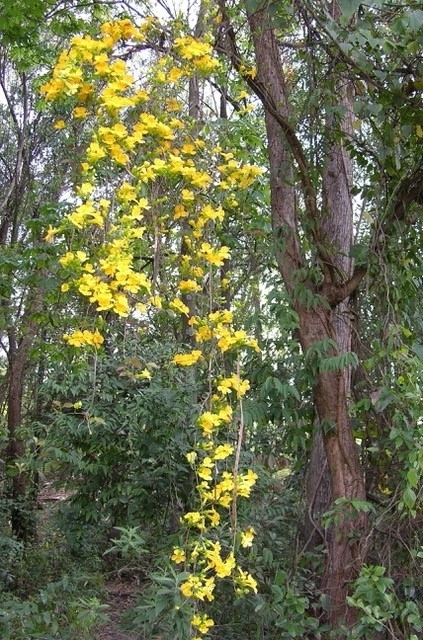
A complete database of Tribe Bignonieae, which consists mainly of lianas, contains information on genetics, taxonomy, morphology, geography and evolution.
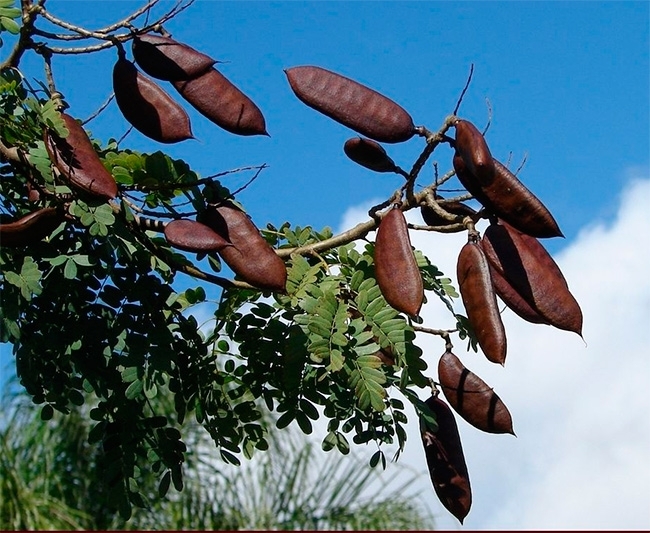
Researchers in the Brazilian states of São Paulo, Amazonas and Pará have demonstrated that extracts from this native plant are rich in gallic acid, which inhibits the action of enzymes that degrade collagen.
An article in Blood shows that administering the anti-hypertensive drug amlodipine in conjunction with conventional chelation therapy helps combat health problems caused by the buildup of iron in organs.
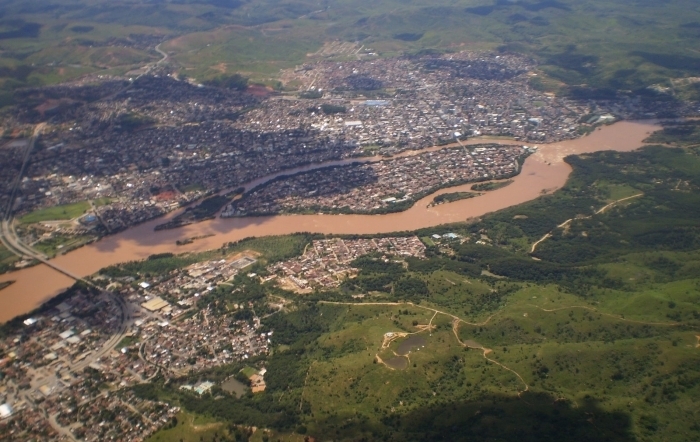
Researchers evaluated the application of a computer model for hydrological disaster prediction and early warning in the Doce river basin, which contains more than 200 Brazilian municipalities.
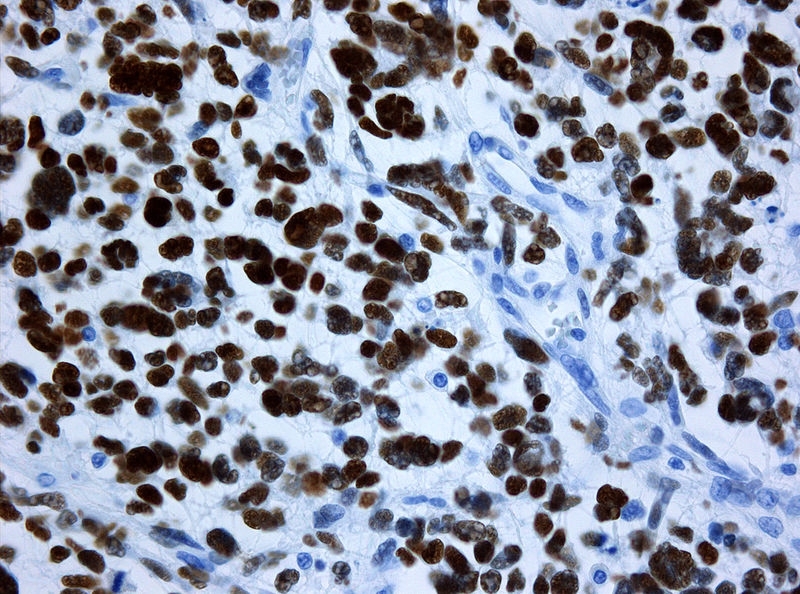
In studies with tumor stem cells, researchers at Uruguay's University of the Republic have identified regulators with the potential to interfere in the development of cancer cells.
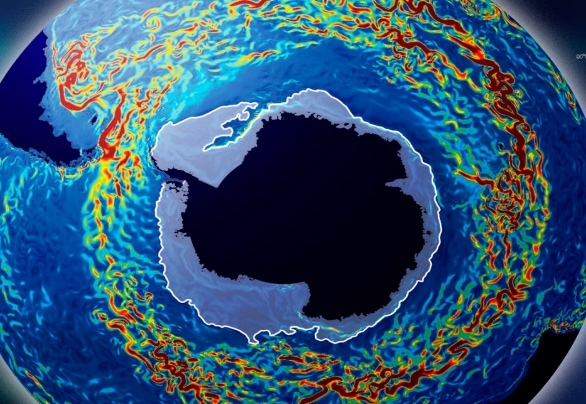
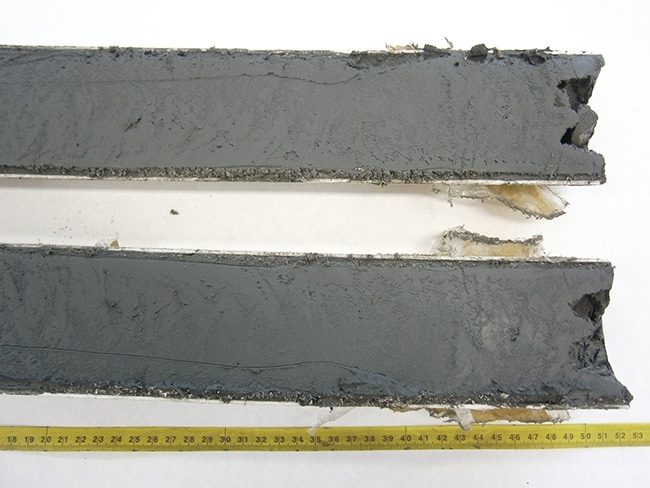
In 1990-2000 the Polar Front shifted southward twice as much as in the previous 900 years, potentially altering ocean temperatures and ecosystem functions.
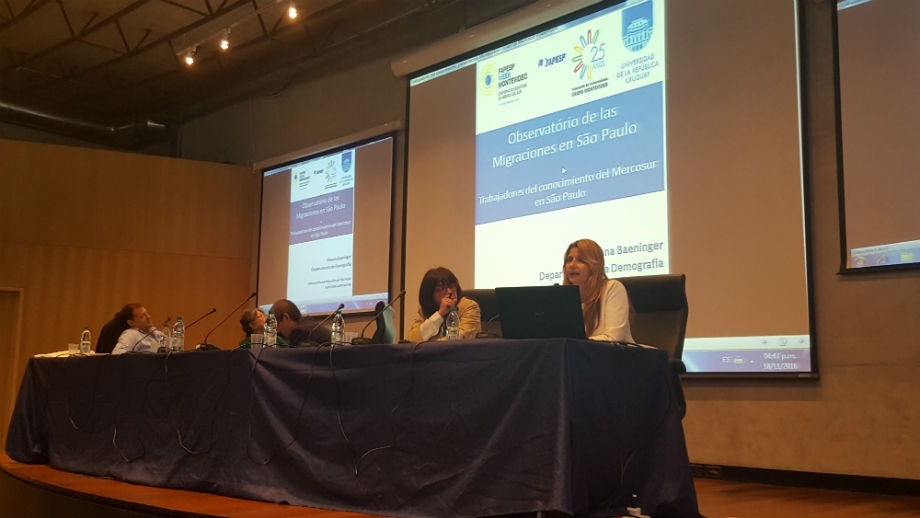
Number of foreign professionals with at least one university degree who add value to the economy via knowledge and creativity has grown by over 40% in the last ten years, survey shows.
To achieve this integration it will be necessary to surmount barriers to power generation from natural resources, a researcher stressed in a presentation to FAPESP Week Montevideo.
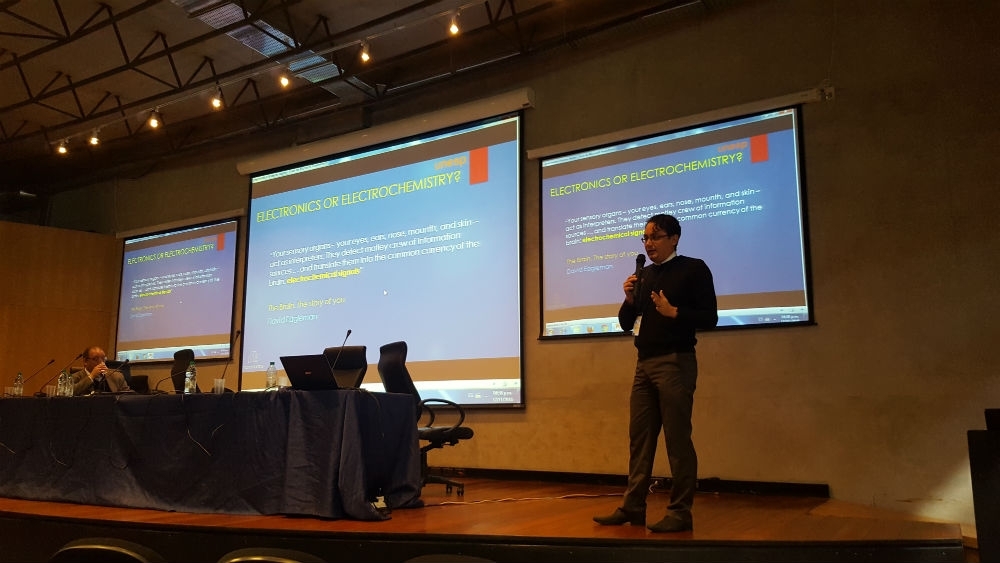
System that could result in the creation of biosensors for rapid early diagnosis of breast and prostate cancer, among other diseases, was presented at FAPESP Week Montevideo.
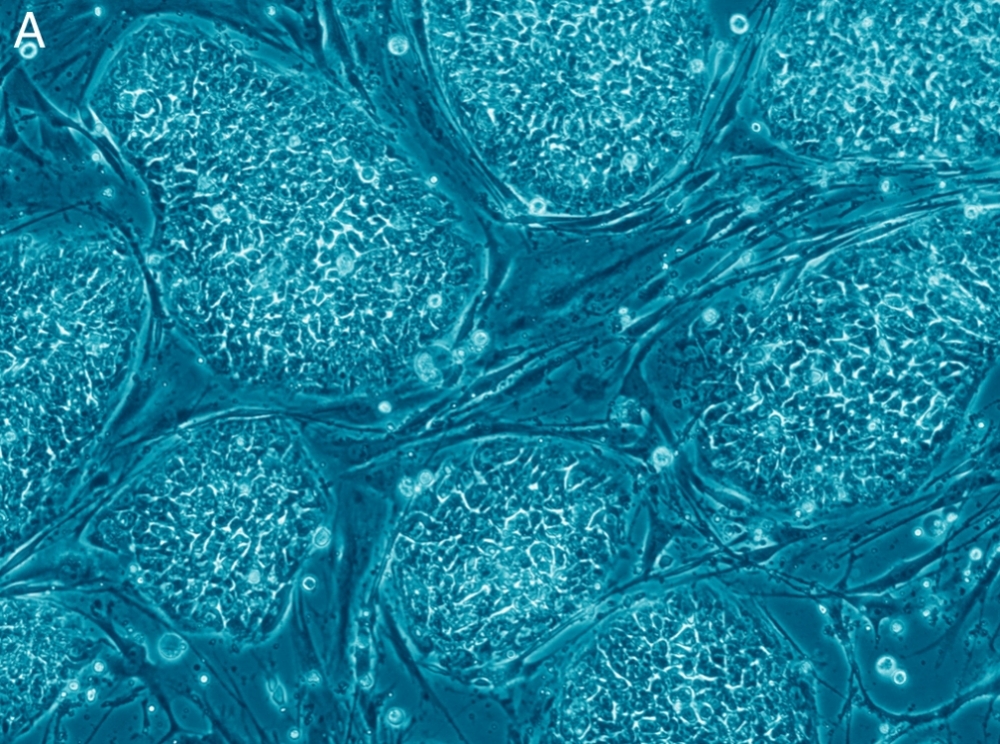
According to the authors of a paper published in Scientific Reports, these stem cells can be used for treatment, new drug development and disease research.
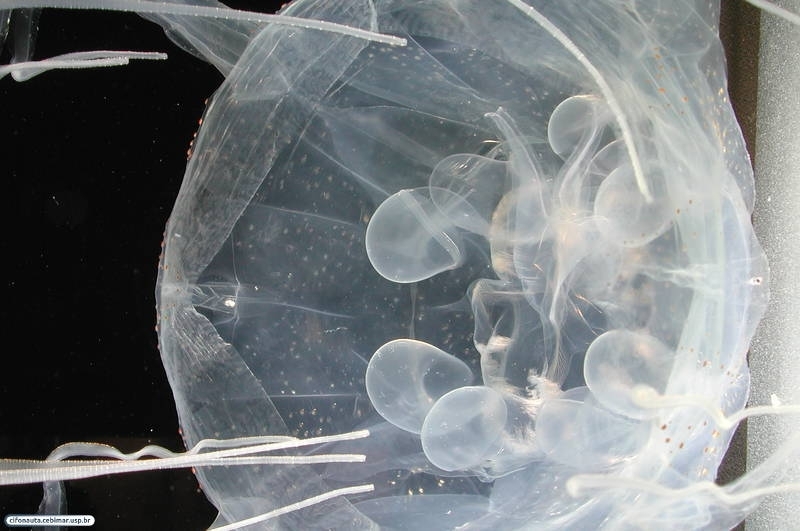
This book contains information on how to treat injuries caused by marine and freshwater species and is based on 30 years of medical and zoological research experience.
A multicenter study involving 40 research groups in several countries evaluated more than 7 million genetic variants in samples from almost 13,000 people – the findings are published in Nature Genetics.
Rock fragments produced unintentionally today by primates in Serra da Capivara National Park in Brazil resemble tools made deliberately 2.6 million years ago by ancestors of humans, study finds.
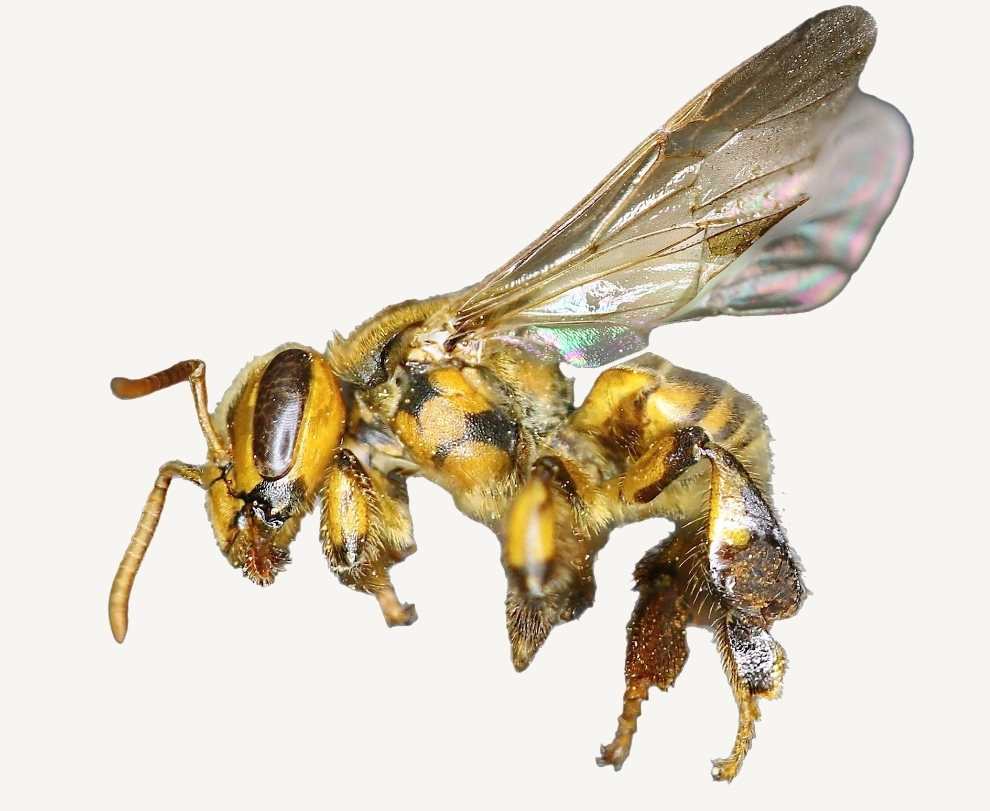
The unregulated practice of taking colonies from one place to another has made managed stingless bee populations in the Americas more genetically homogeneous.
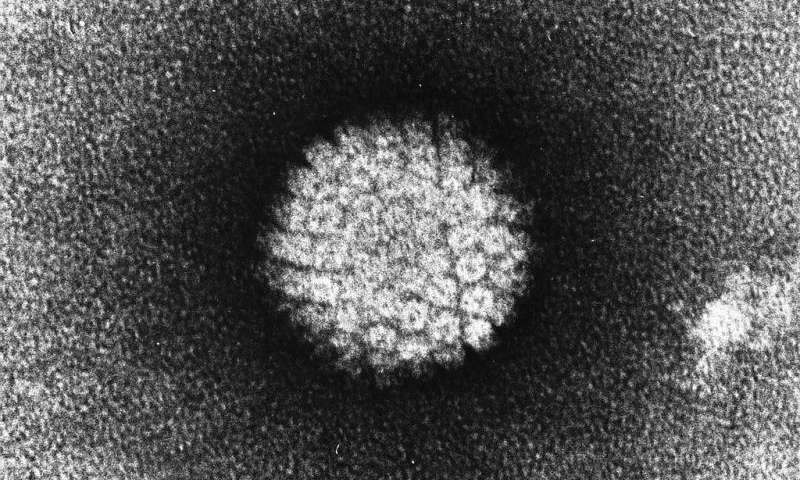
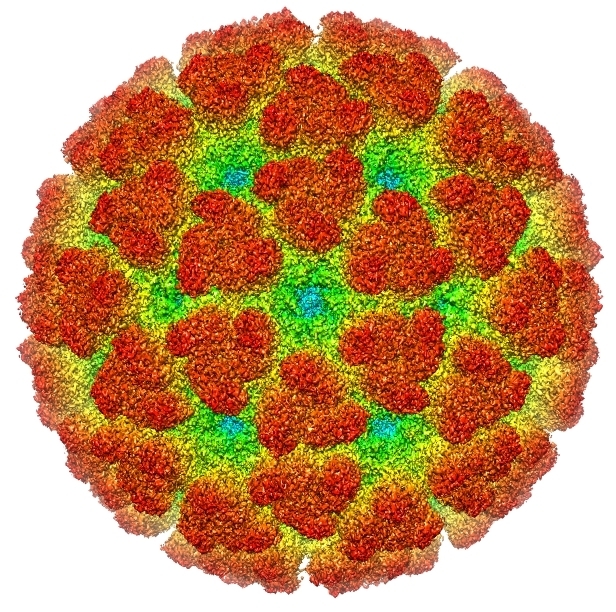
Researchers have produced a tool for reference labs to assist epidemiological surveillance by analyzing clinical samples from patients with suspected infection by dengue, Zika, chikungunya and many other viral agents.
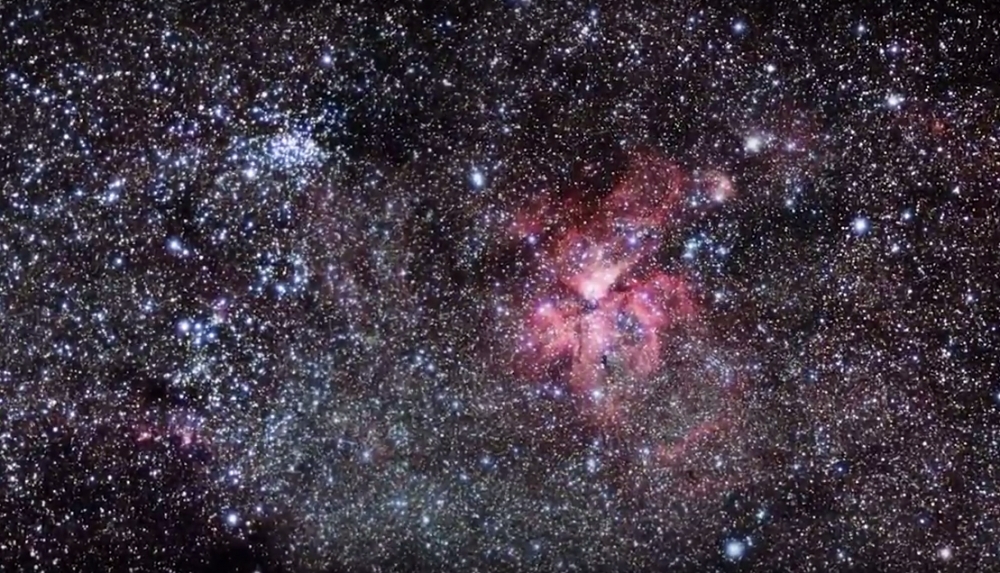
An international team of researchers that includes Brazilians has imaged the giant binary star system in the greatest detail ever, observing unexpected new structures.
Scientists at the Research Center for Gas Innovation are planning a roadmap to assess the technological, economic and environmental factors that could influence the use of NG as marine fuel.
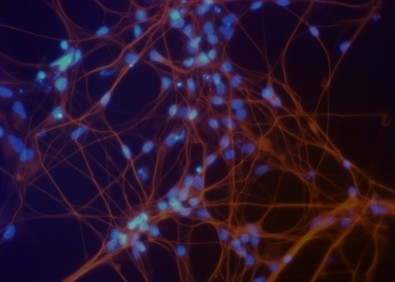
Experiments described in Nature Neuroscience show that neuronal development is modulated by mechanical signals linked to nerve tissue stiffness or softness, as well as chemical signals.
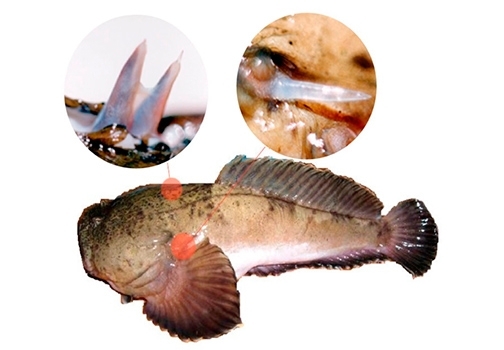
Researchers who developed a toadfish venom antiserum have discovered that the venom contains a peptide that has anti-inflammatory activity and may be used to treat multiple sclerosis.