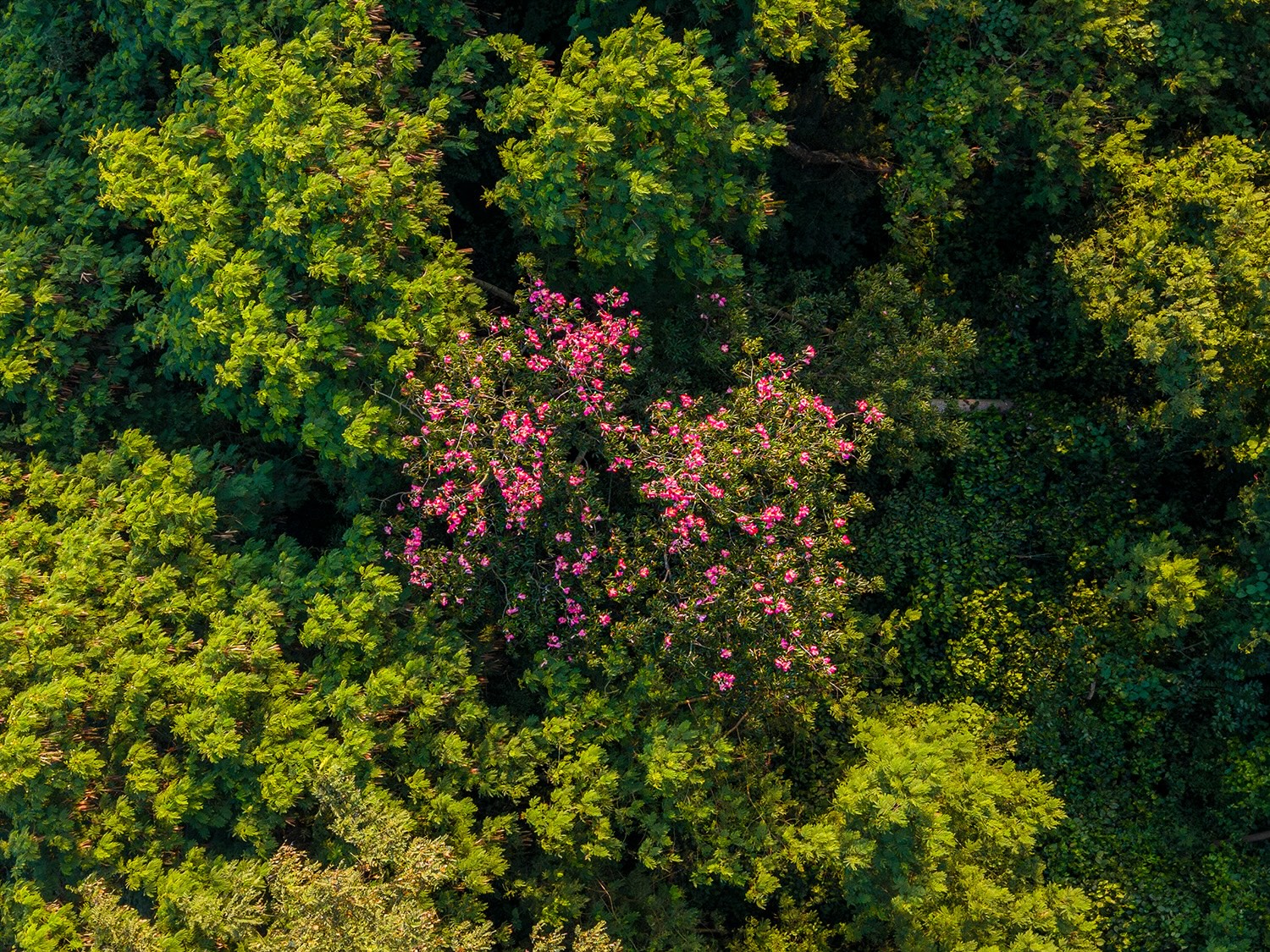
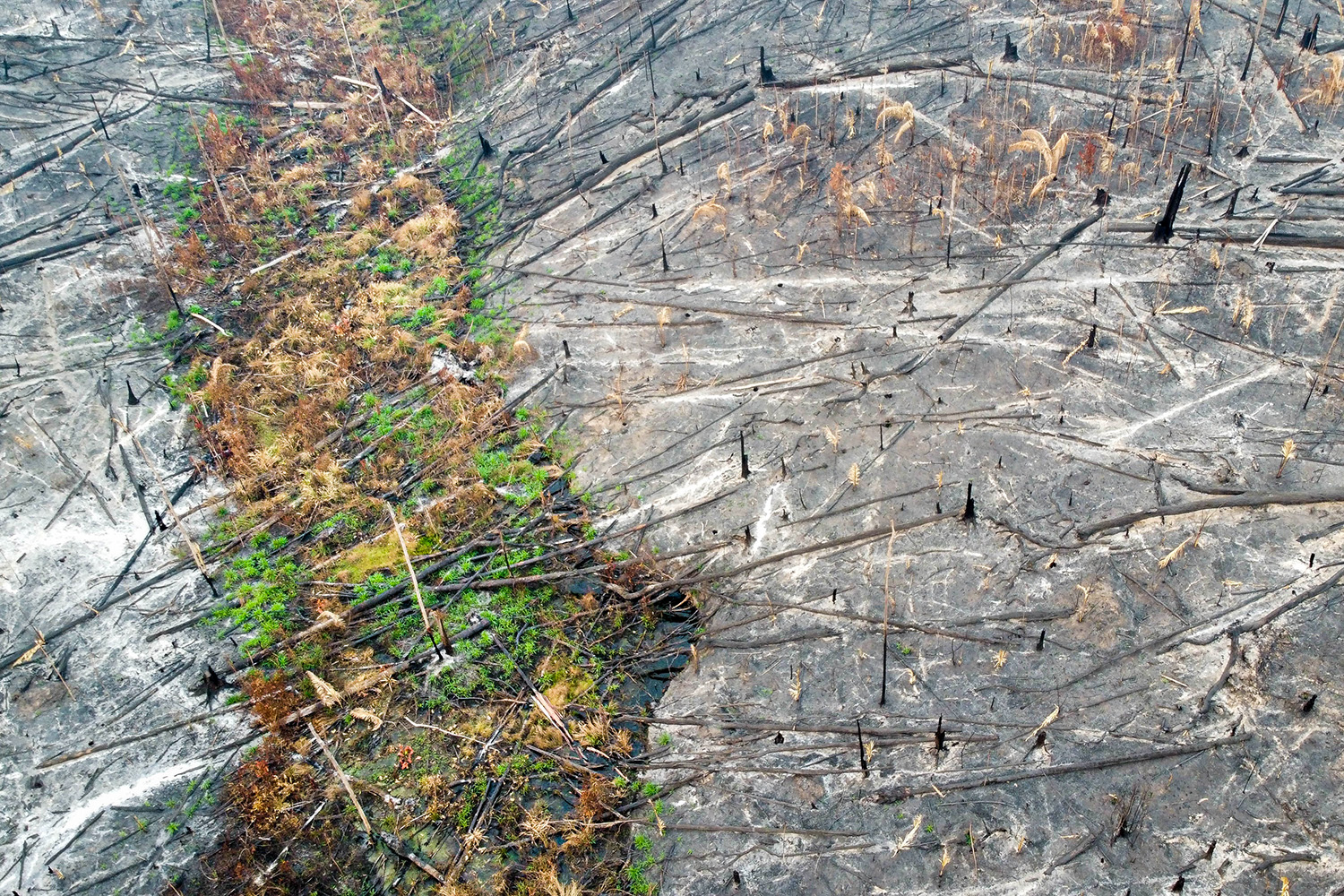
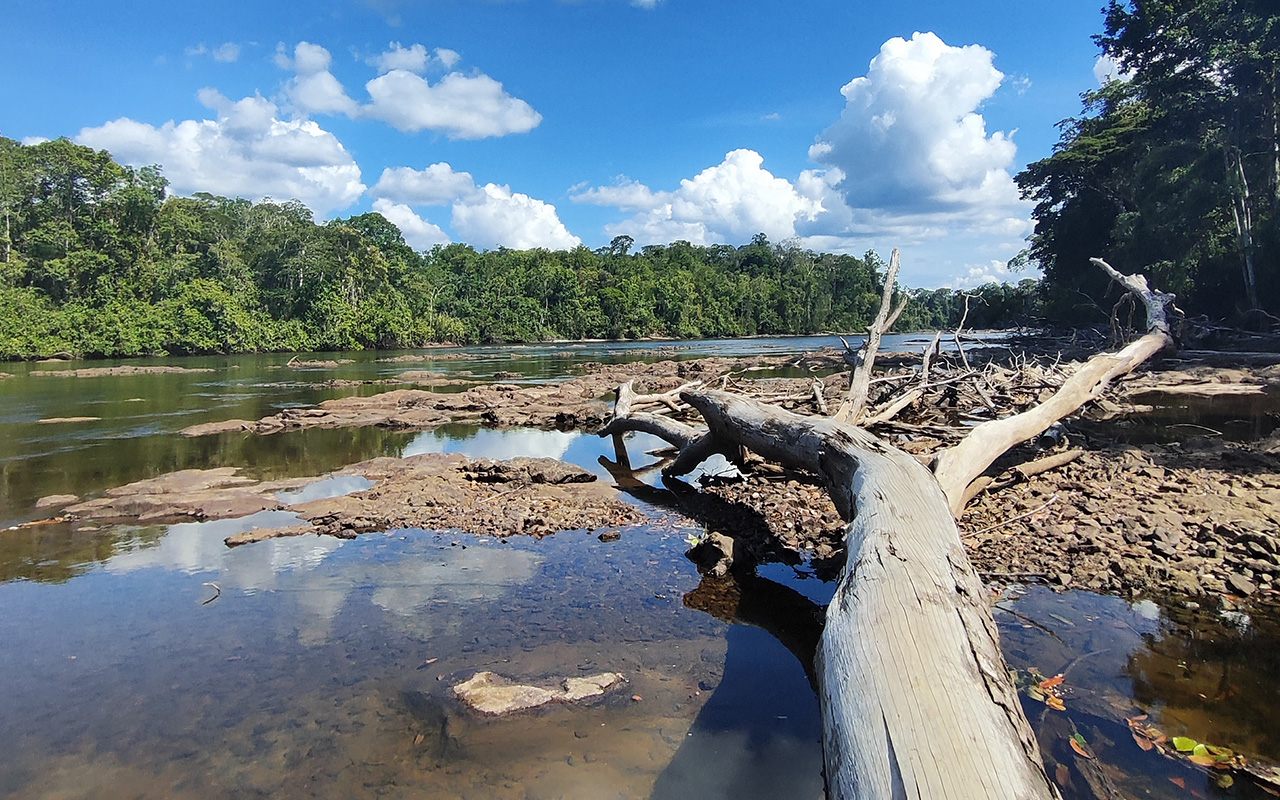
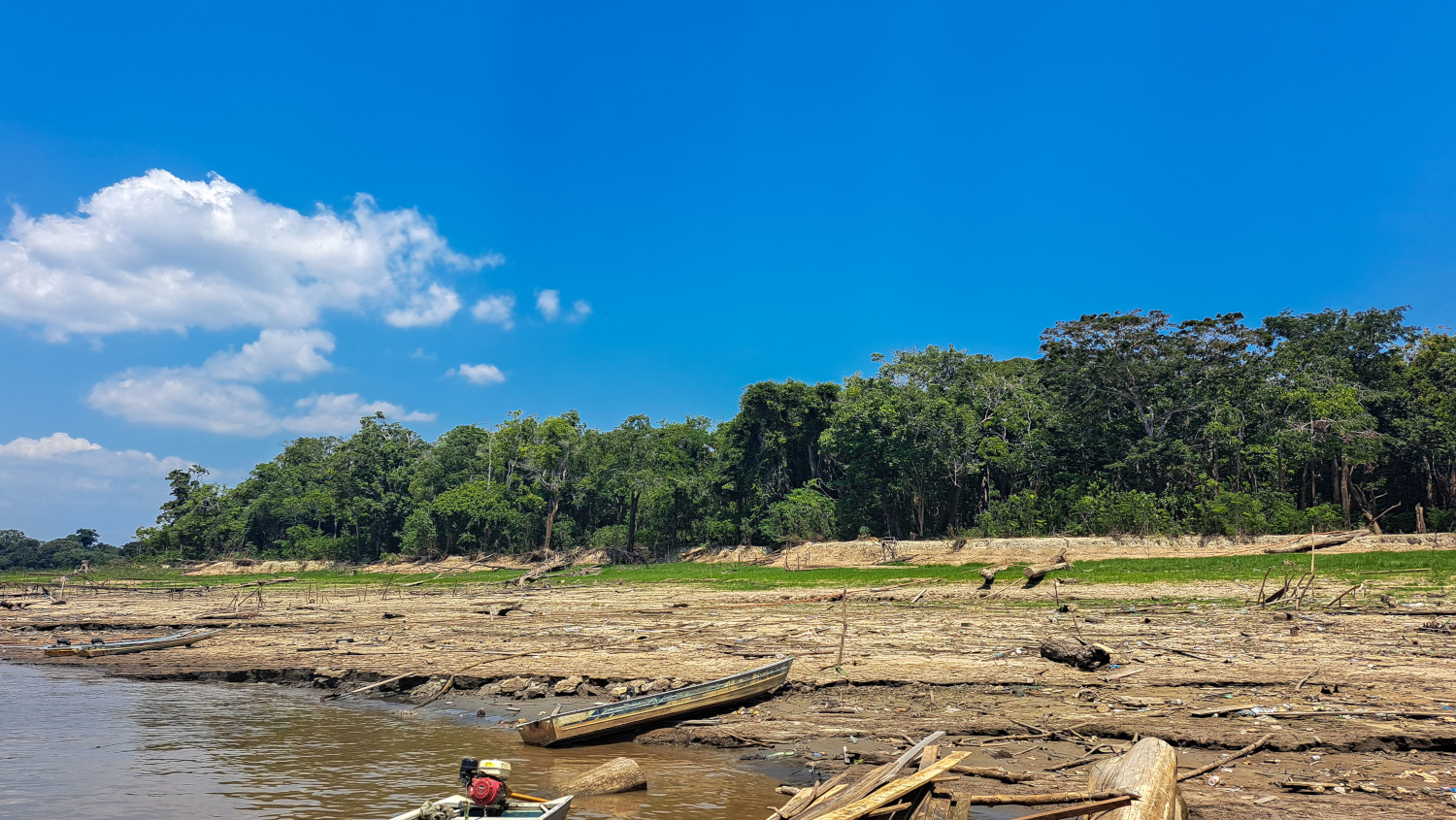
A study published on October 21 in Nature reveals that deforestation and wildfires reversed the forest’s CO2 balance between 2010 and 2024, nullifying its ability to sequester greenhouse gases.
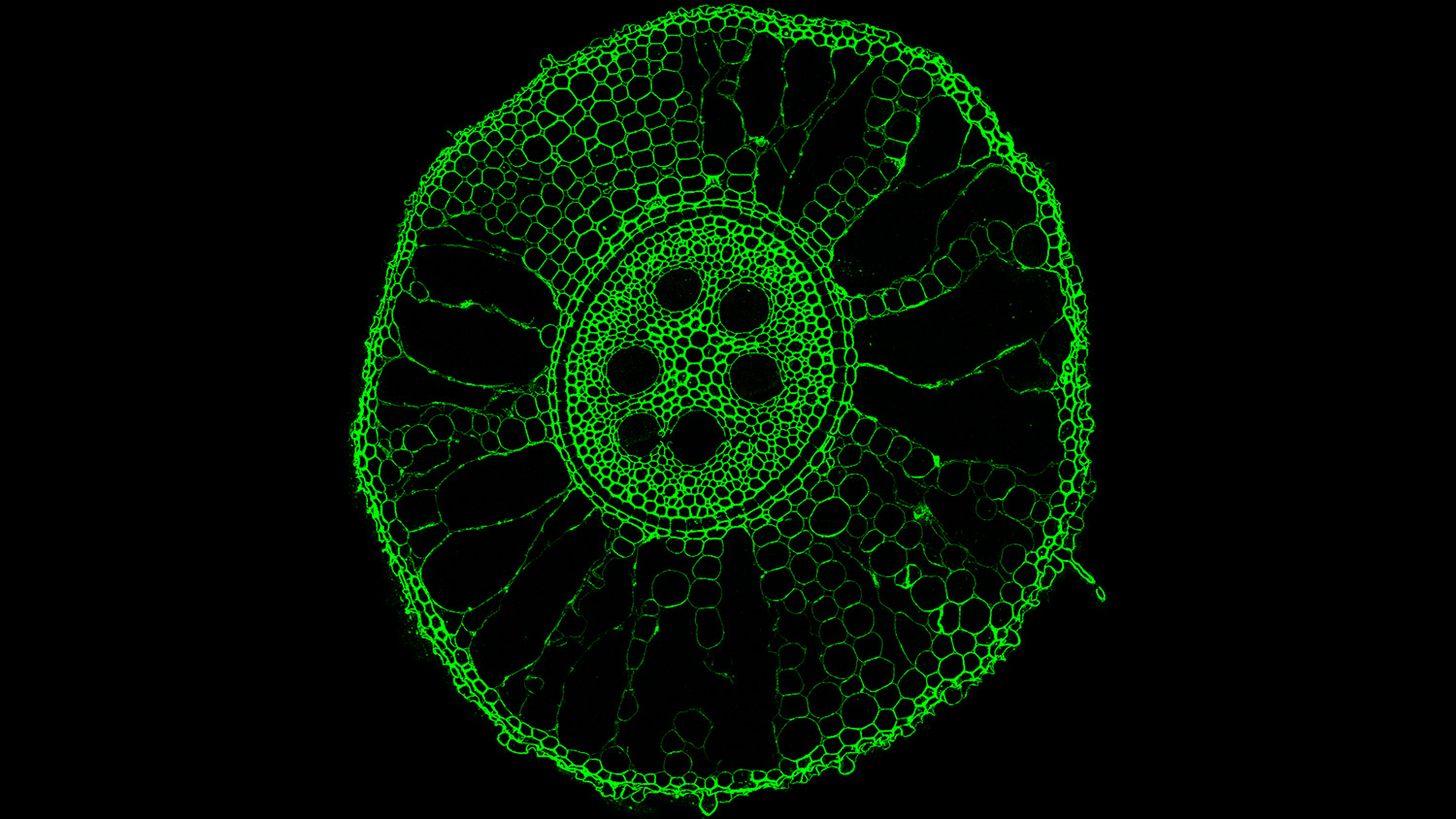
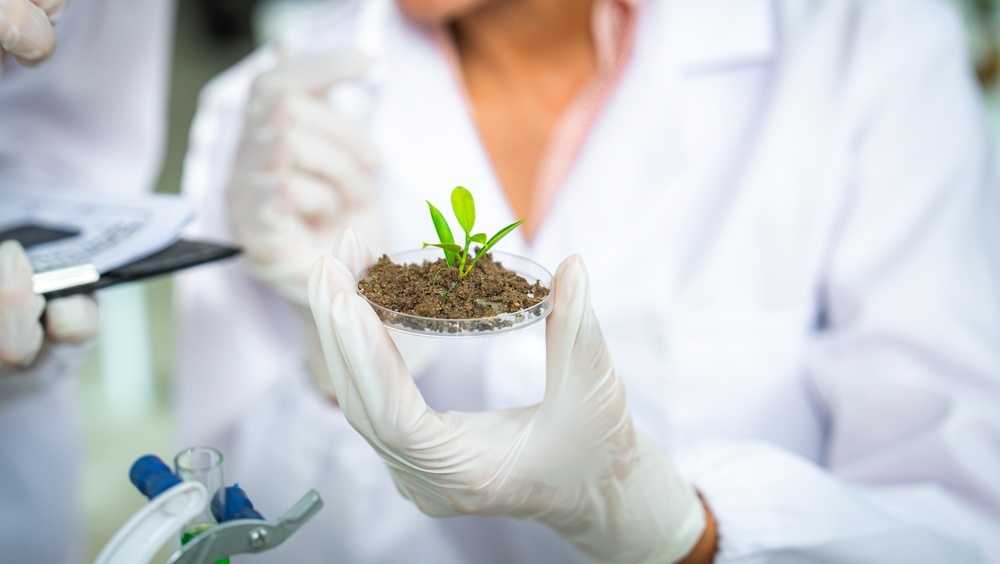
Scientists at the University of São Paulo isolated the molecule while studying aerenchyma, structures the plant creates to form air channels in its roots. The discovery could increase the production of second-generation ethanol.
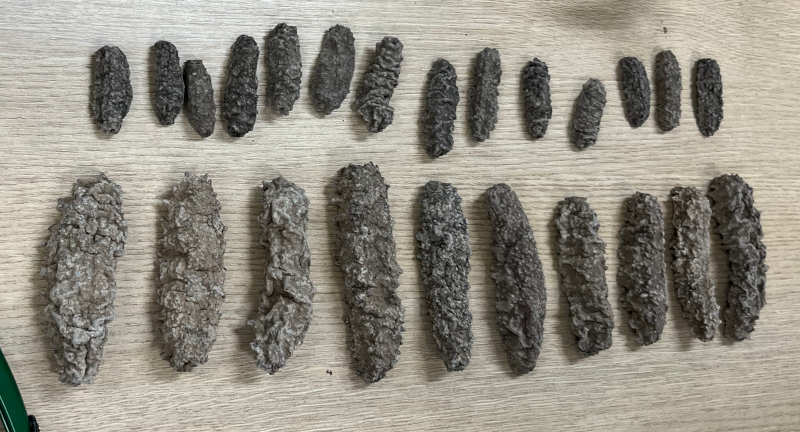
Through a partnership with IBAMA, researchers from São Paulo State University used DNA analysis to identify species in shipments of sea cucumbers and swim bladders of fish from the Amazon coast that were seized at Guarulhos Airport, Brazil’s largest airport.
An initiative developed at Hospital de Amor in São Paulo state cross-references genetic and epidemiological data to create risk assessment tools tailored to the Brazilian population’s diversity.
The theoretical proposal eliminates the need for auxiliary circuits to “eavesdrop” on quantum bits by transforming the system’s own electric current into a mirror of the information.
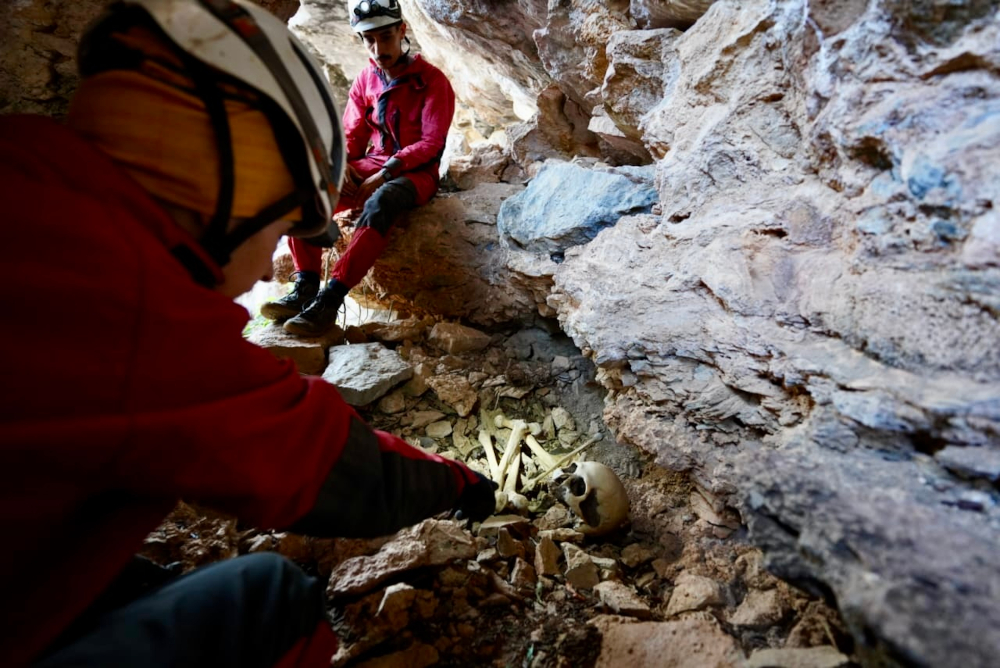
For the first time, research reveals the food subsistence strategies of these communities, which involved sophisticated land use practices that incorporated various species. Previously, it was believed that these populations were either hunter-gatherers or monoculture farmers.
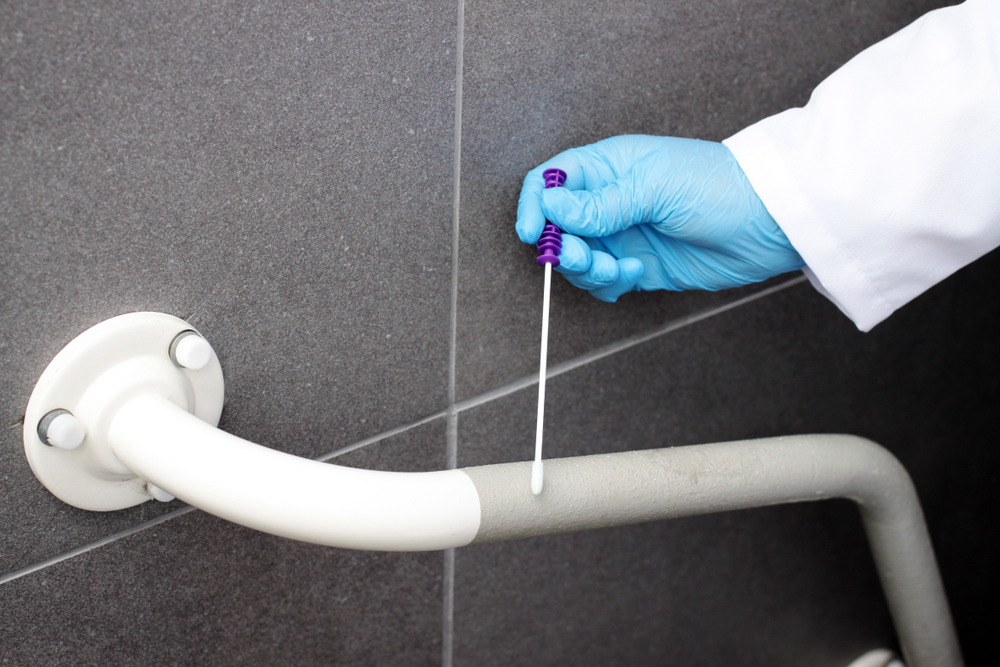
A study involving Brazilian researchers analyzed samples from subway stations, hospitals, bank branches, soil, and sewage in 31 countries. The researchers used genetic screening with a tool developed at the University of São Paulo.
An international study reveals that the unprecedented heat stress of 2023–2024 will likely recur in the coming decades unless emissions are reduced. The Amazon is the most vulnerable region.
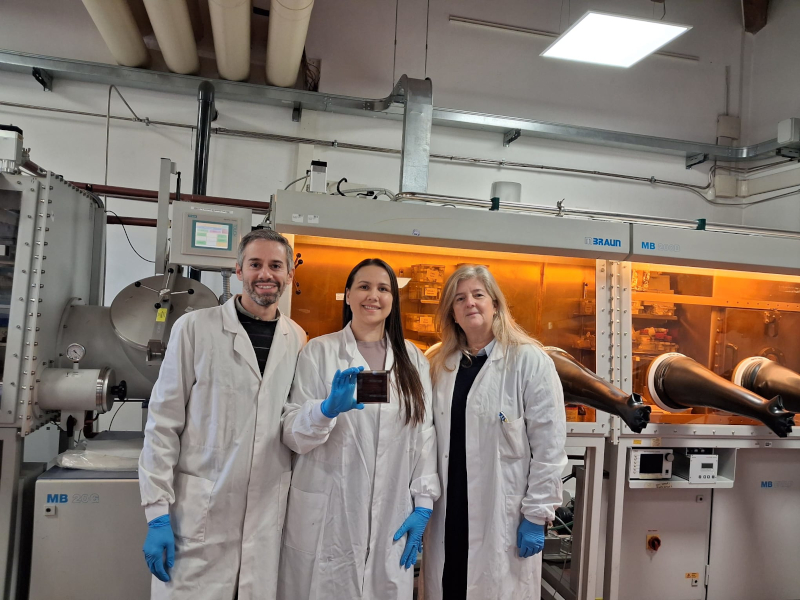
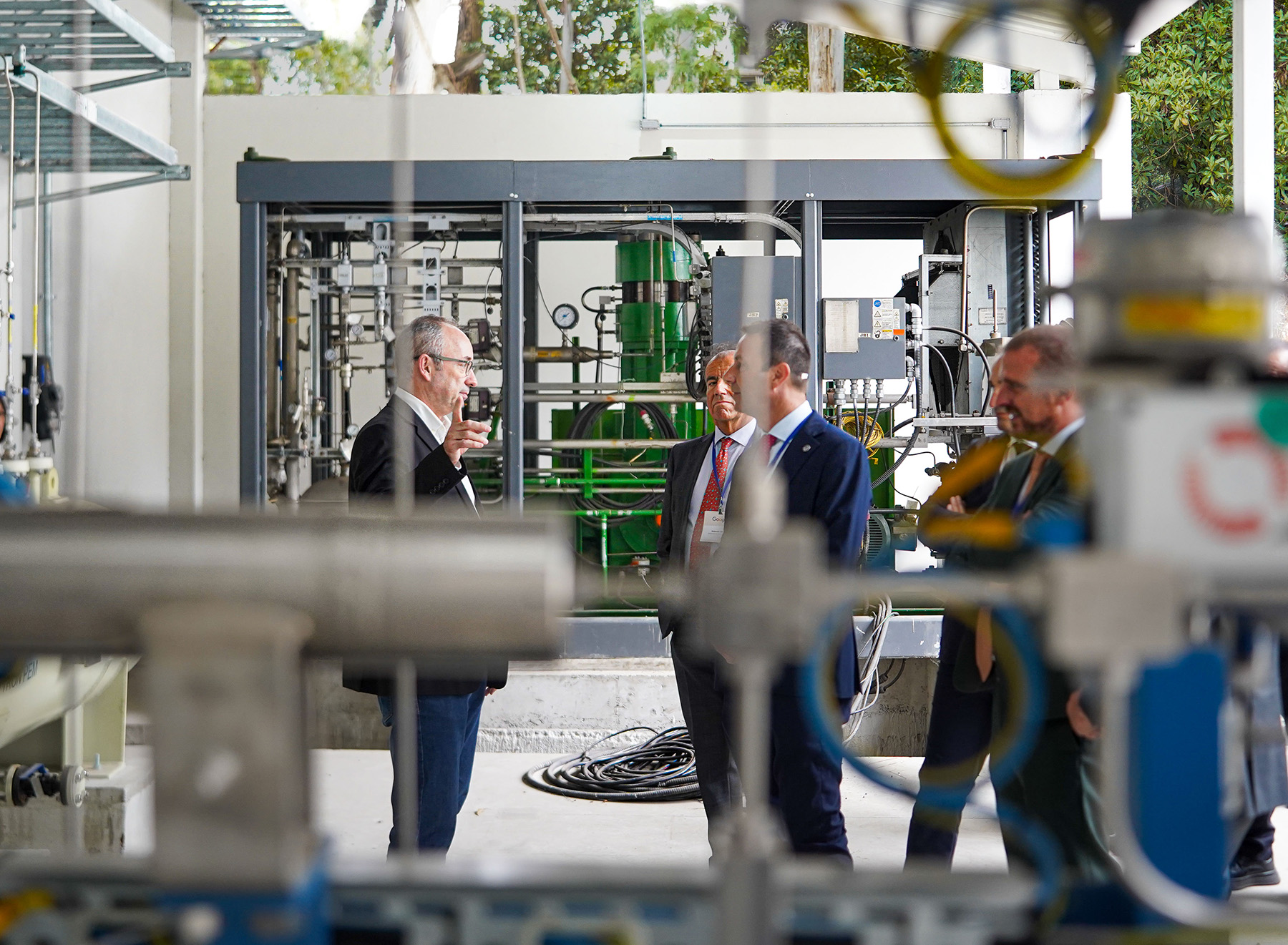
The study was conducted by scientists at the Center for Innovation in New Energies – one of FAPESP’s Applied Research Centers –, in collaboration with researchers from Italy.
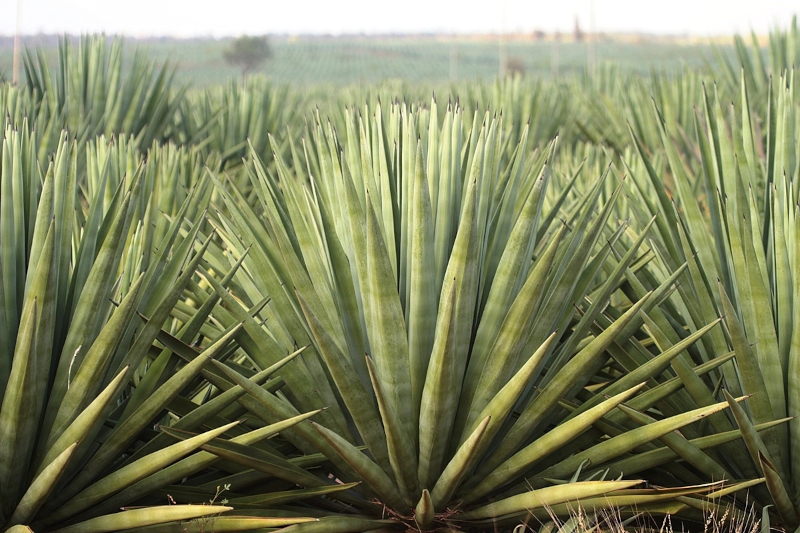
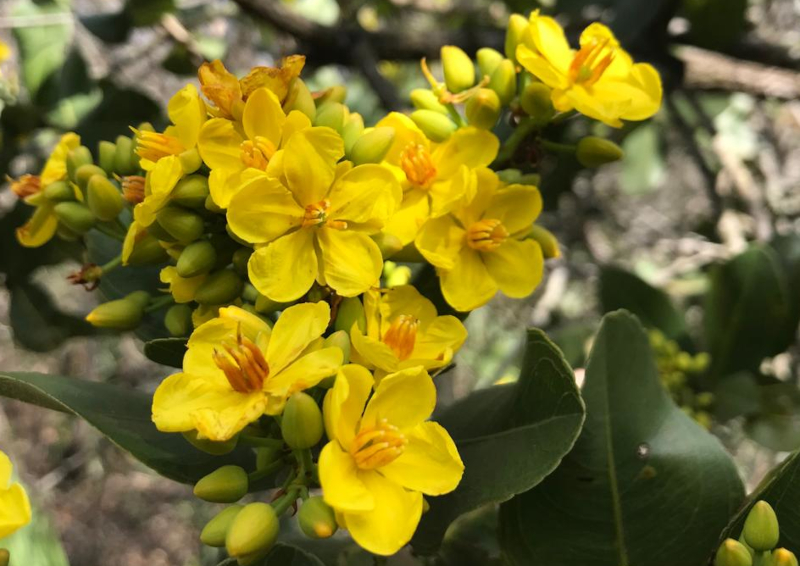
Scientists are seeking to reduce the initial growth of agave, which is considered one of the most promising crops for biofuel production and carbon sequestration in the semiarid region.
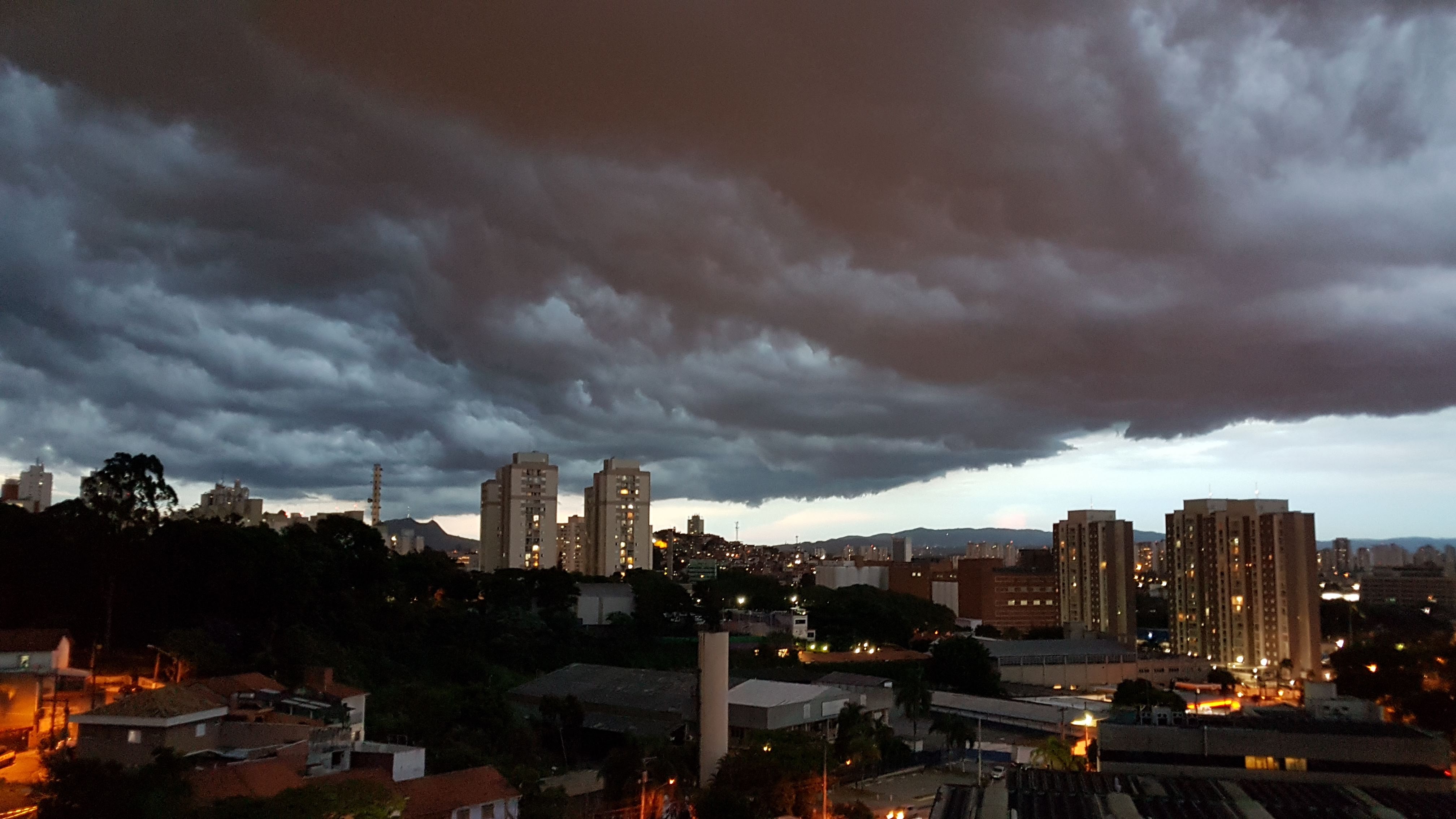
A system developed at the University of São Paulo combines radar data with a neural network to track precipitation every five minutes. The software can run on standard laptops.
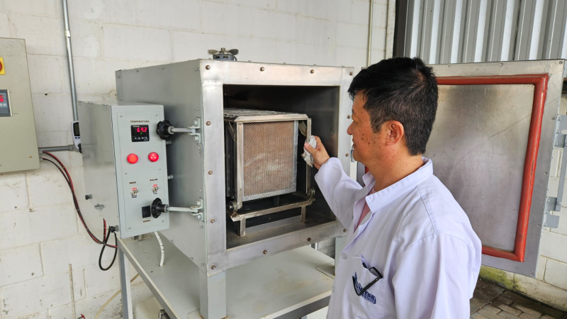
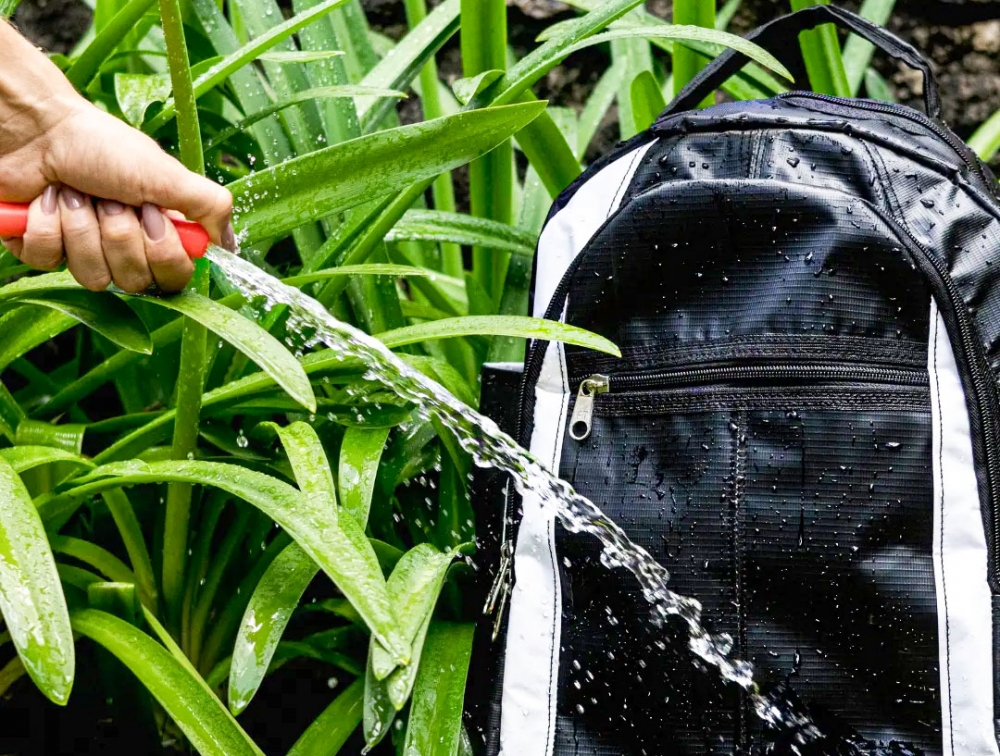
Researchers have developed a system capable of generating up to six liters of water per day using cells made from a material derived from recycled textile waste.
A study by the Federal University of São Paulo indicates that adolescents involved in multiple contexts of violence are 11 times more likely to develop mental health issues, reinforcing the urgency of integrating anti-bullying efforts with drug prevention in schools.
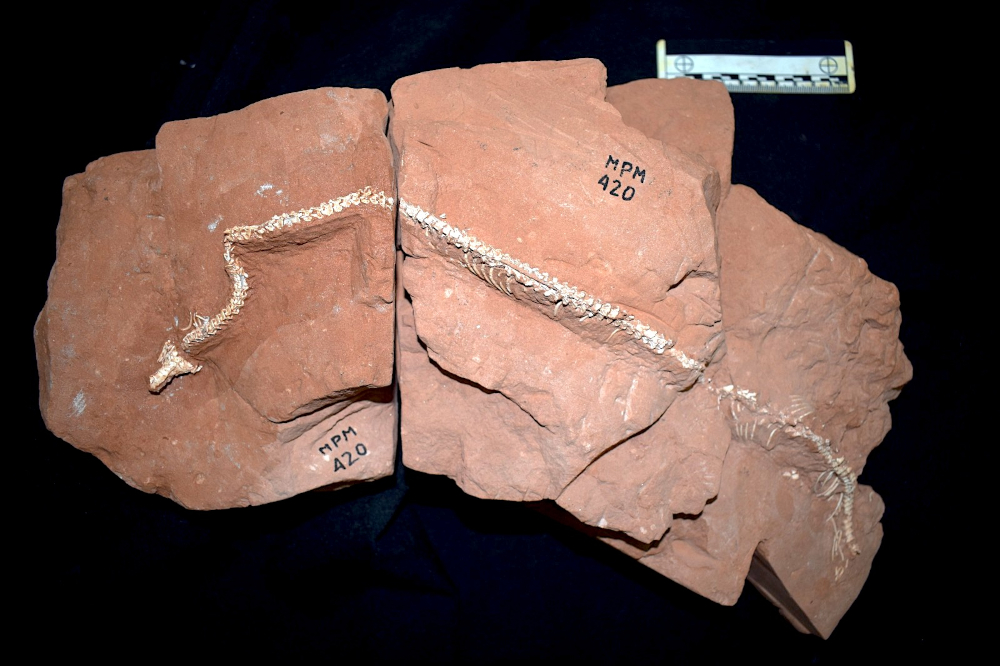
A study published in the journal Nature shows that Tametara mirim lived underground, while a contemporary species from Argentina lived on the surface, indicating that an ecologically diverse population of snakes already existed 80 million years ago.
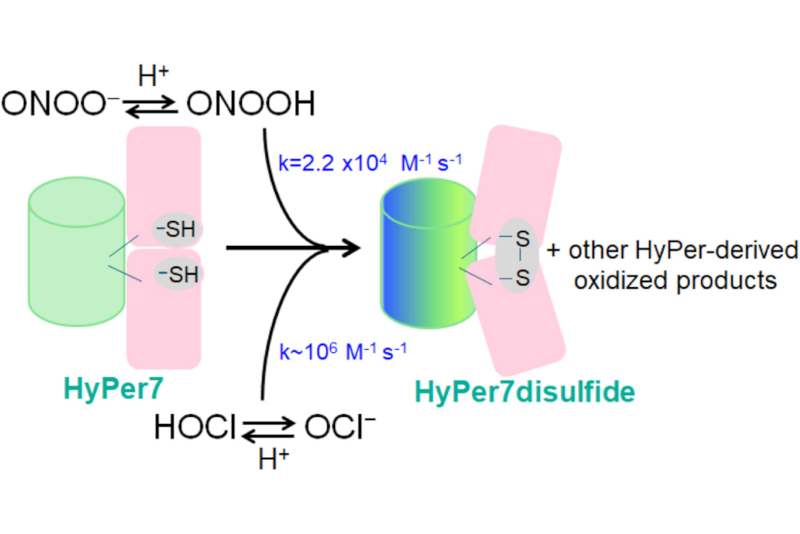
A study conducted by Redoxoma, a FAPESP Research, Innovation, and Dissemination Center, indicates that genetically encoded fluorescent probes also respond to other biological oxidants.
New initiative will support up to 20 outstanding researchers seeking to establish or advance their research careers at institutions in the state of São Paulo.
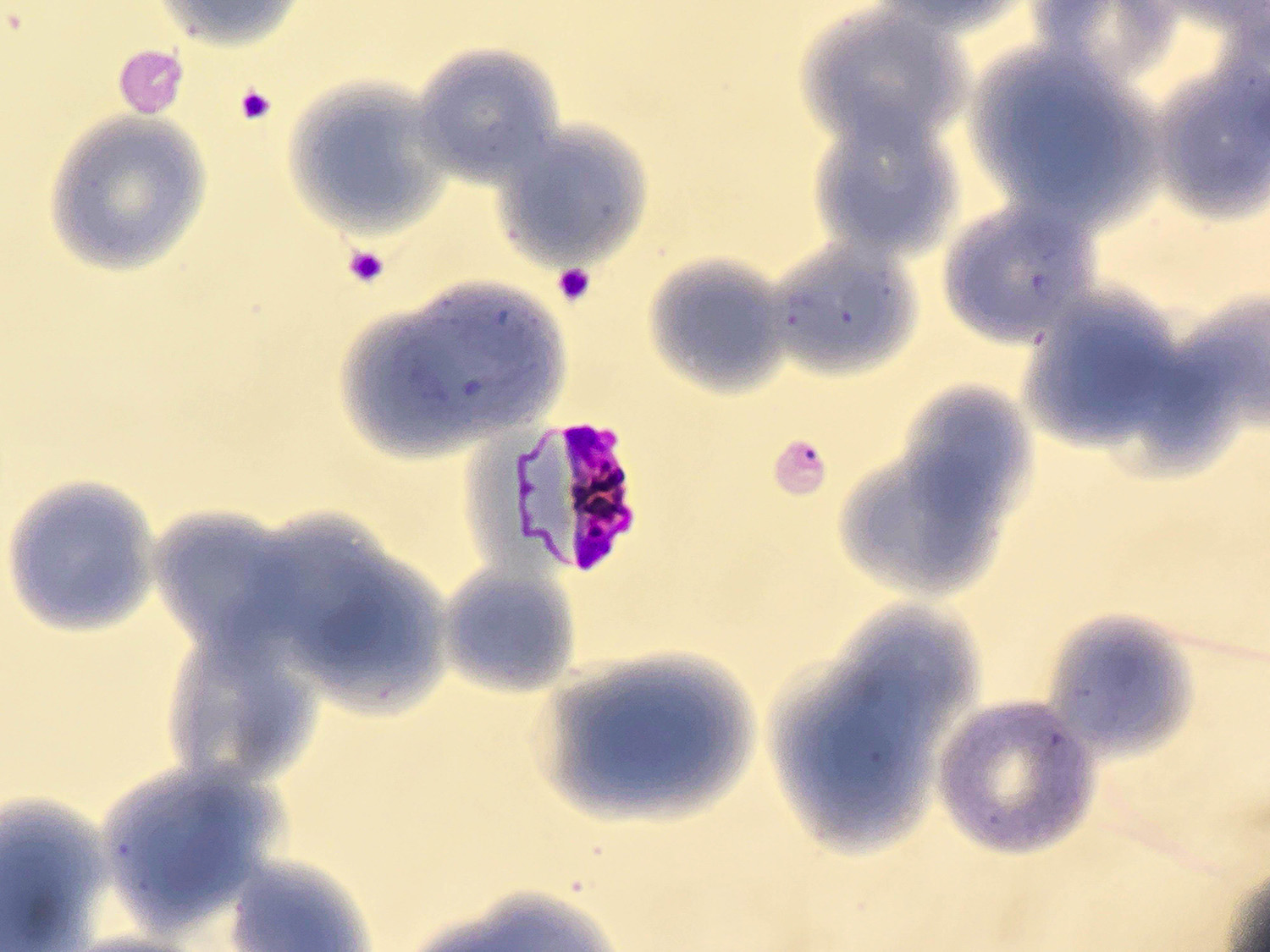
In vitro tests conducted at the University of São Paulo suggest that the compounds eliminate the parasite during both the symptomatic phase and the stage at which it infects the mosquito vector.
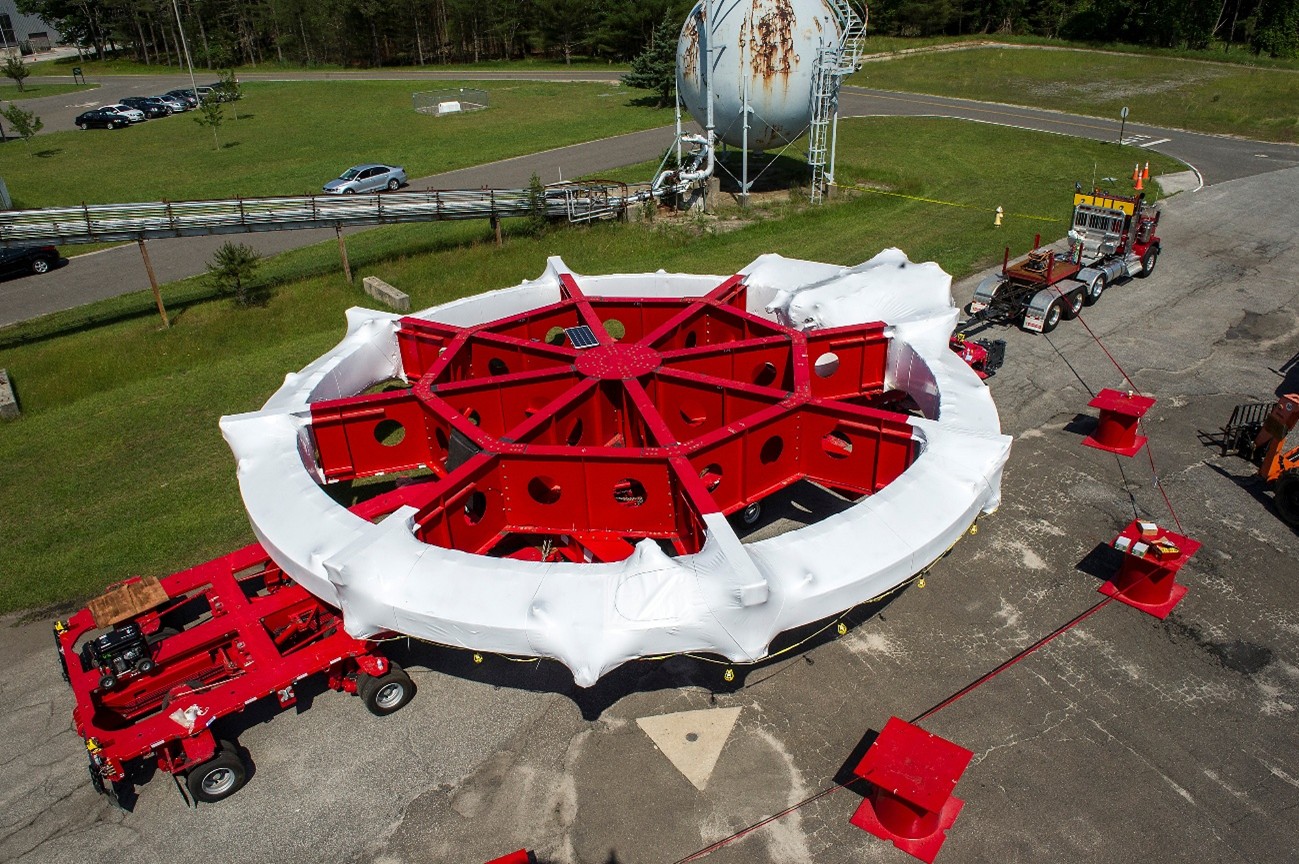
An article co-authored by hundreds of researchers shows that the historical discrepancy between theoretical predictions and experimental data has virtually disappeared. The result is fundamental to validating the Standard Model of Particle Physics.
Startup uses technology to transform uniforms and advertising banners into income, reducing the time it takes to connect raw materials to labor by 89%.
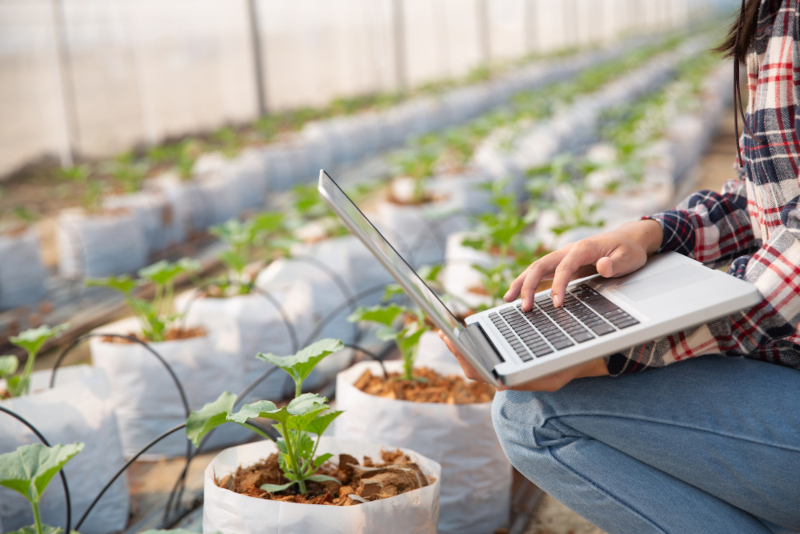
Digital connectivity in rural areas, rural youth, and mechanisms for disseminating information are among the key drivers of technology adoption in the agri-food sector.
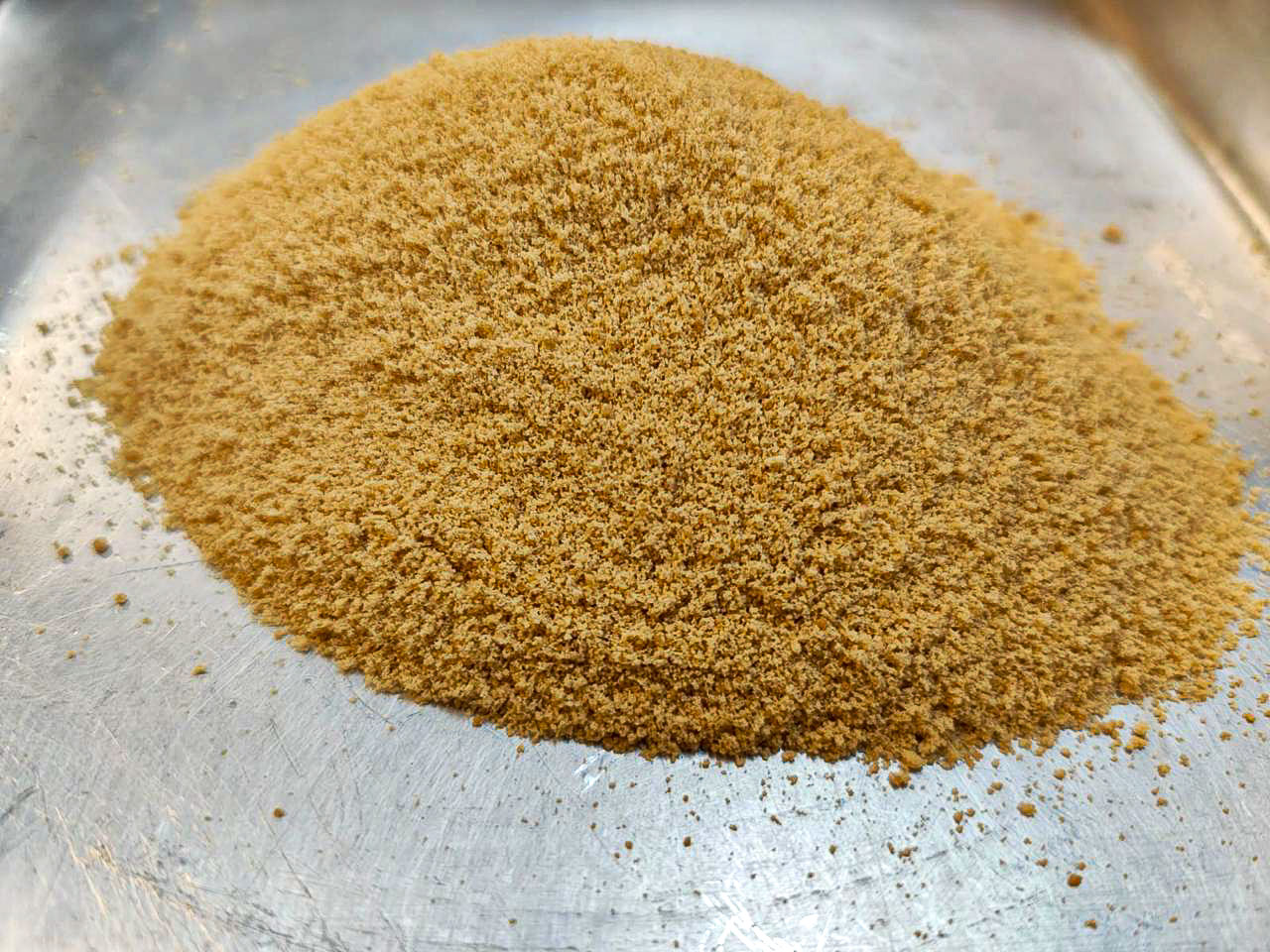
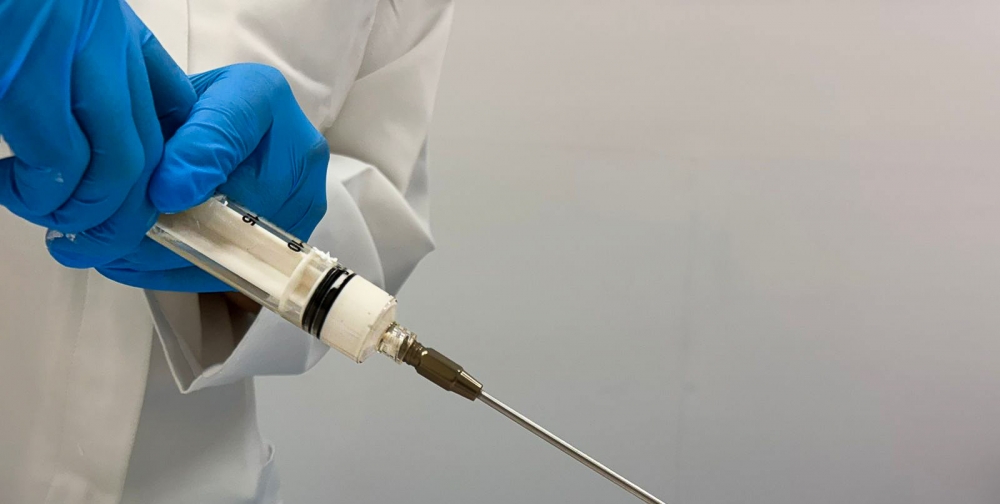
Combining sucrose with antioxidants derived from coffee and peanut waste slows the body’s absorption of the sugar without altering its taste. A patent application for the product has already been filed.
Experiment with female rats shows that treatment targeting only one estrogen receptor provides metabolic protection without the risk of stimulating tumors in the uterus and breasts.
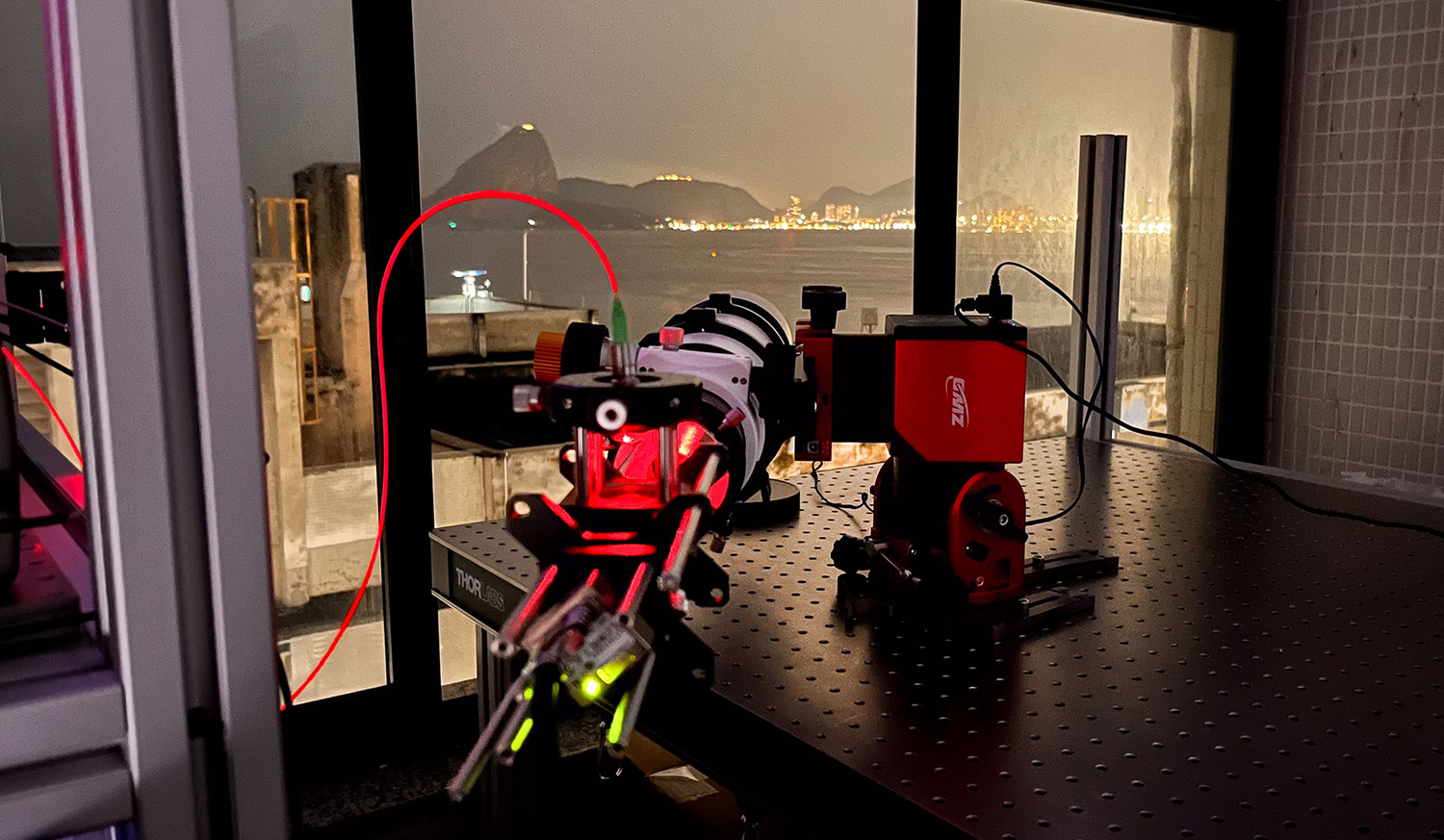
An experiment conducted between Niterói and Rio de Janeiro paves the way for proving the preservation of quantum entanglement outdoors and for developing future ultra-secure communication networks.
In partnership with Angolan researchers, a professor from the State University of Campinas will lead the sequencing of 750 DNA samples from Angola. The data will contribute to the development of precision medicine.
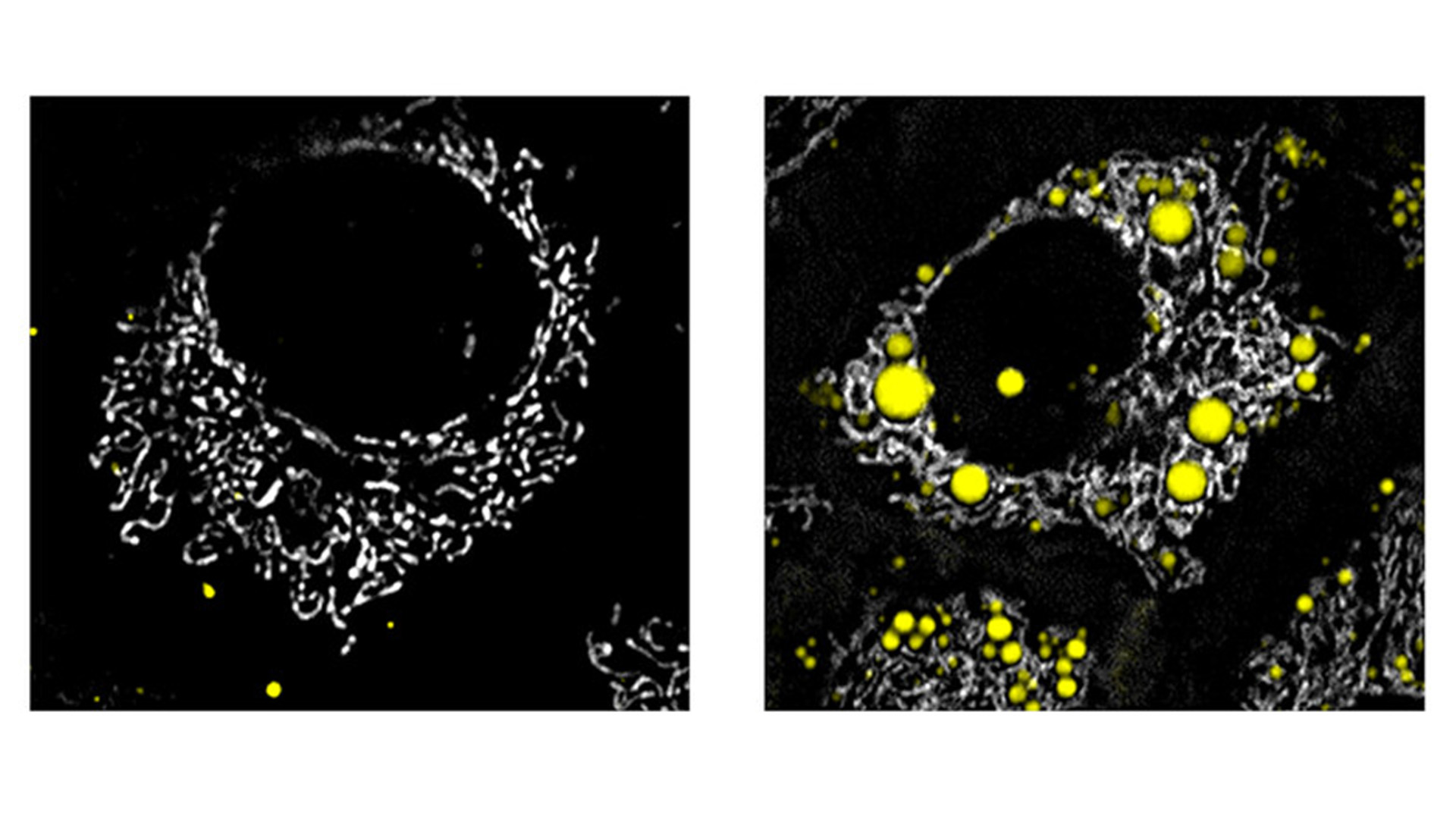
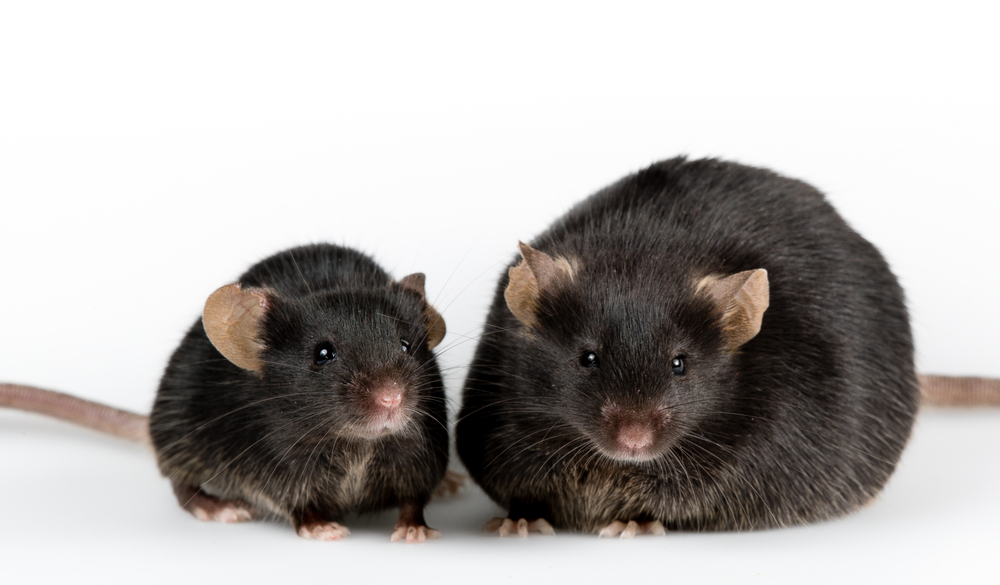
A study with mice conducted at the State University of Campinas shows that seven days of strength training were sufficient to activate lipid breakdown mechanisms.
The PoliTO Hub will develop joint projects in energy transition, artificial intelligence, smart cities, transportation, architecture, and urban planning.
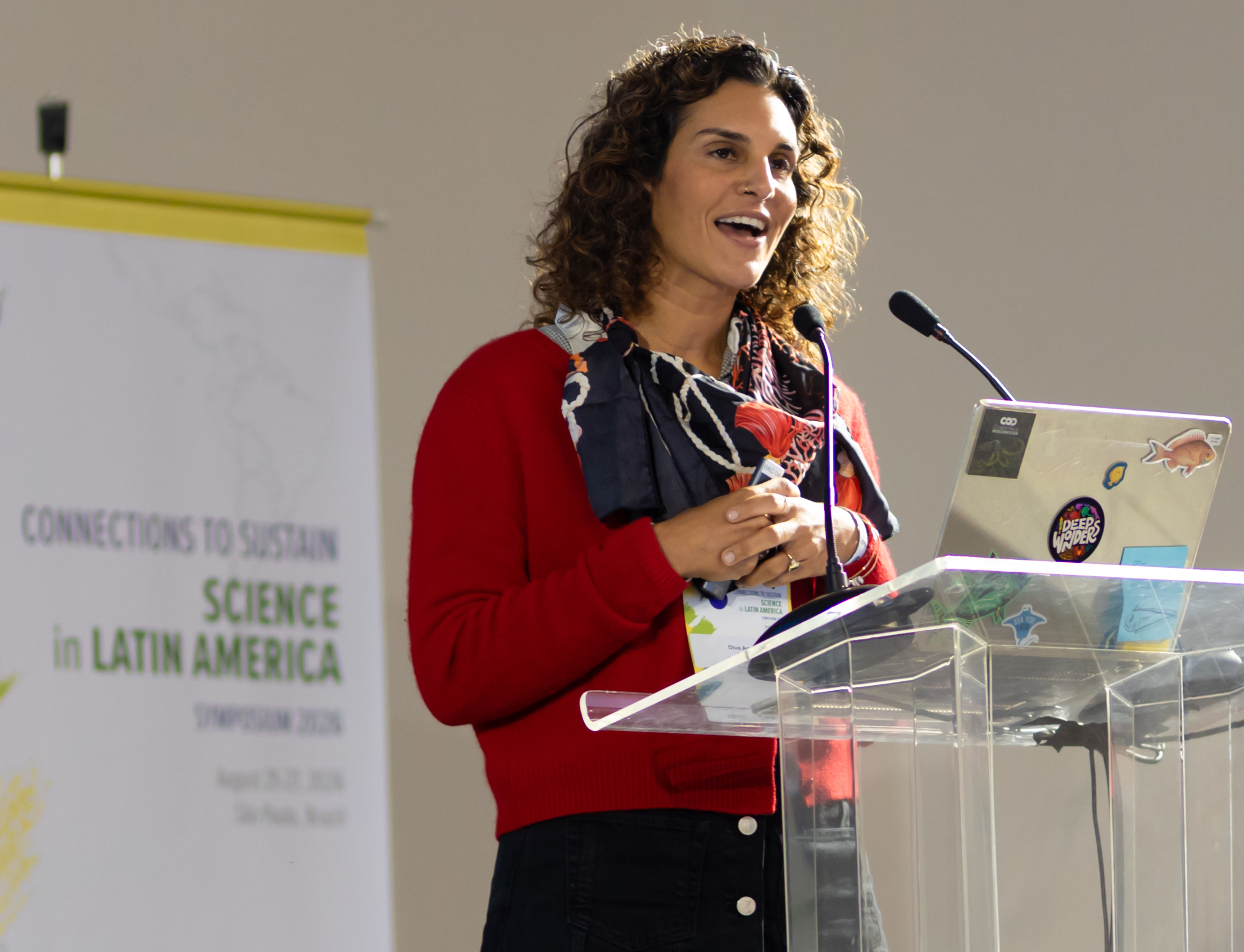
In an interview with Agência FAPESP, Diva Amon, a scientist from Trinidad and Tobago who led the first Caribbean deep-sea expedition, explains the urgency of keeping specimens and data in their countries of origin and strengthening South-South partnerships.
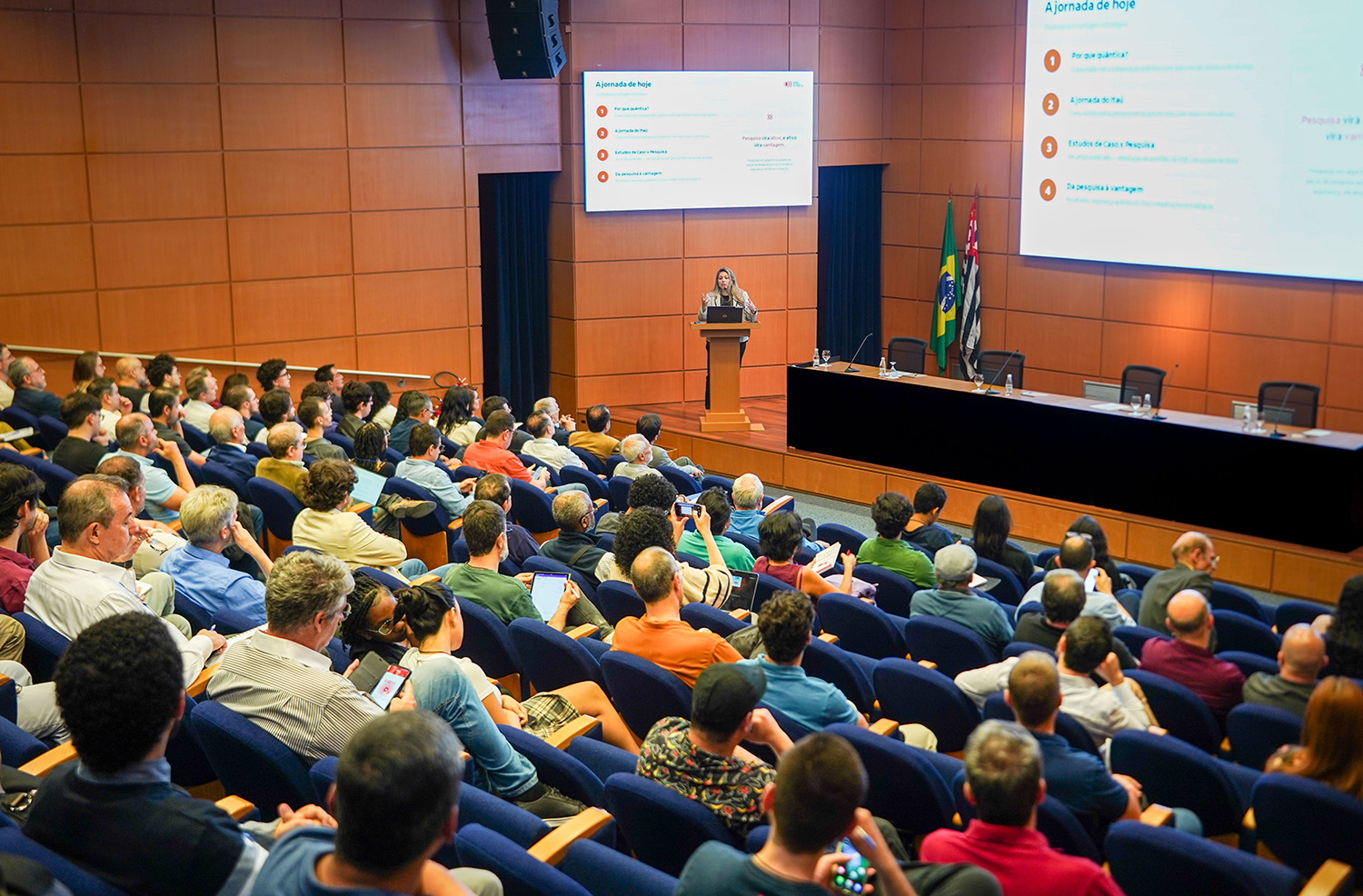
At the 6th FAPESP 2026 Conference, the quantum technologies coordinator at Brazil’s largest private bank demonstrated how current research can reveal applications, anticipate risks, and develop expertise in a technology that has yet to reach large-scale commercial use.
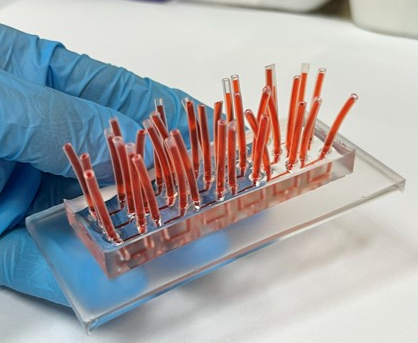
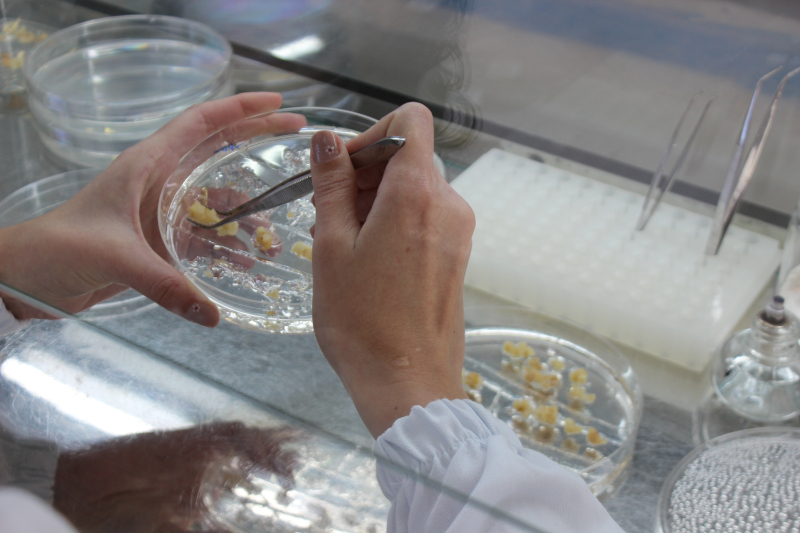
Developed at the Brazilian Center for Research in Energy and Materials, this technology enables the three-dimensional cultivation of cells and allows for a more accurate assessment of the toxicity of drugs, nanomaterials, and pollutants.
A study conducted at São Paulo State University evaluated 31 species of trees and shrubs in the Itirapina region, located in the central-eastern part of the state of São Paulo, Brazil.
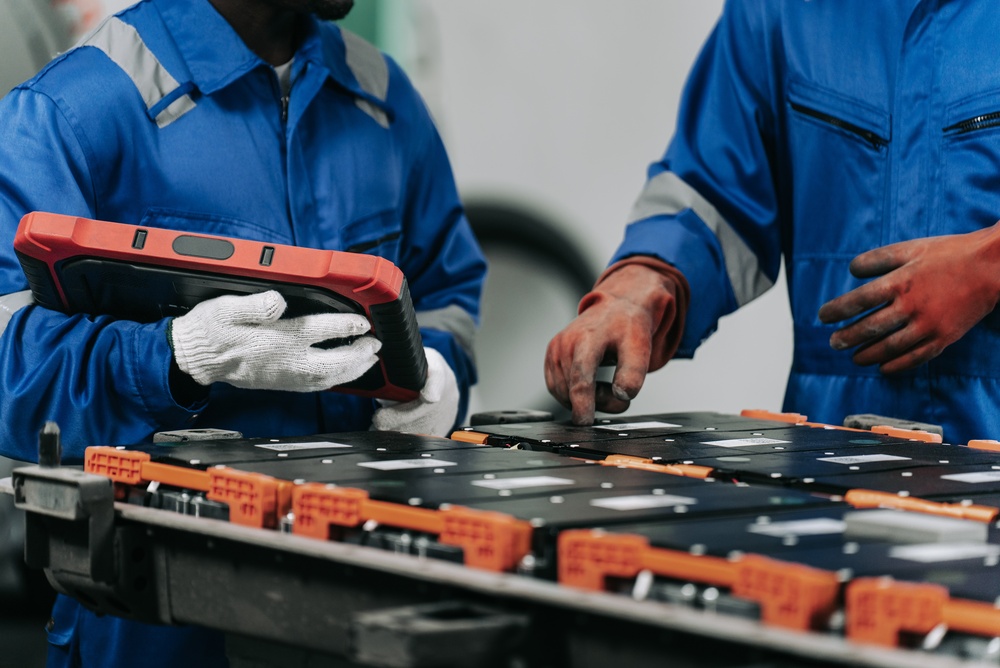
A mathematical model developed by researchers at the State University of Campinas reveals that small fluctuations in the electrical potential difference can characterize electrode microstructure and help monitor battery degradation.
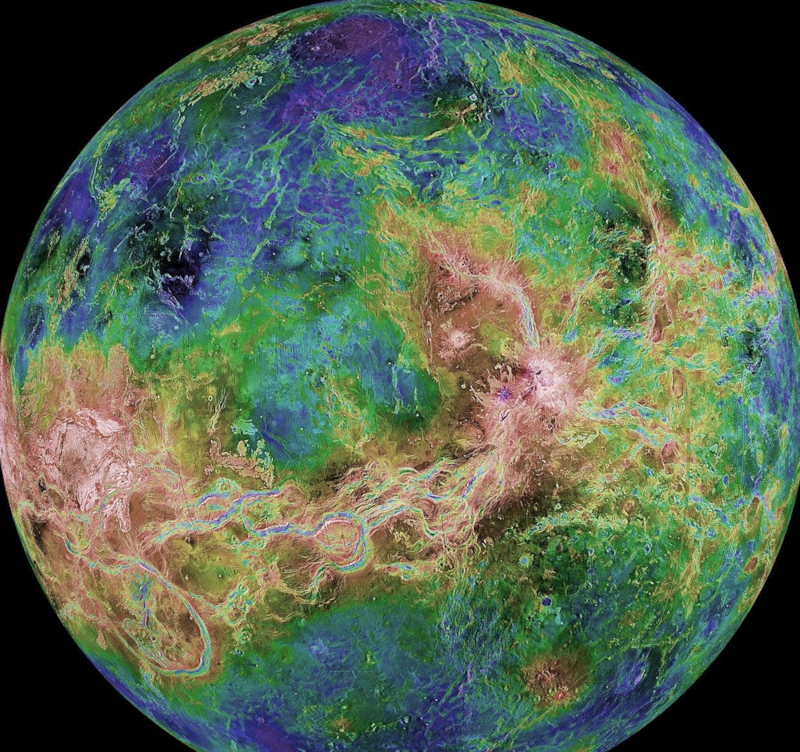
International research led by a team from the University of São Paulo suggests that stable systems, such as the Solar System, may be less common than previously thought. This has an impact on the emergence of complex life.
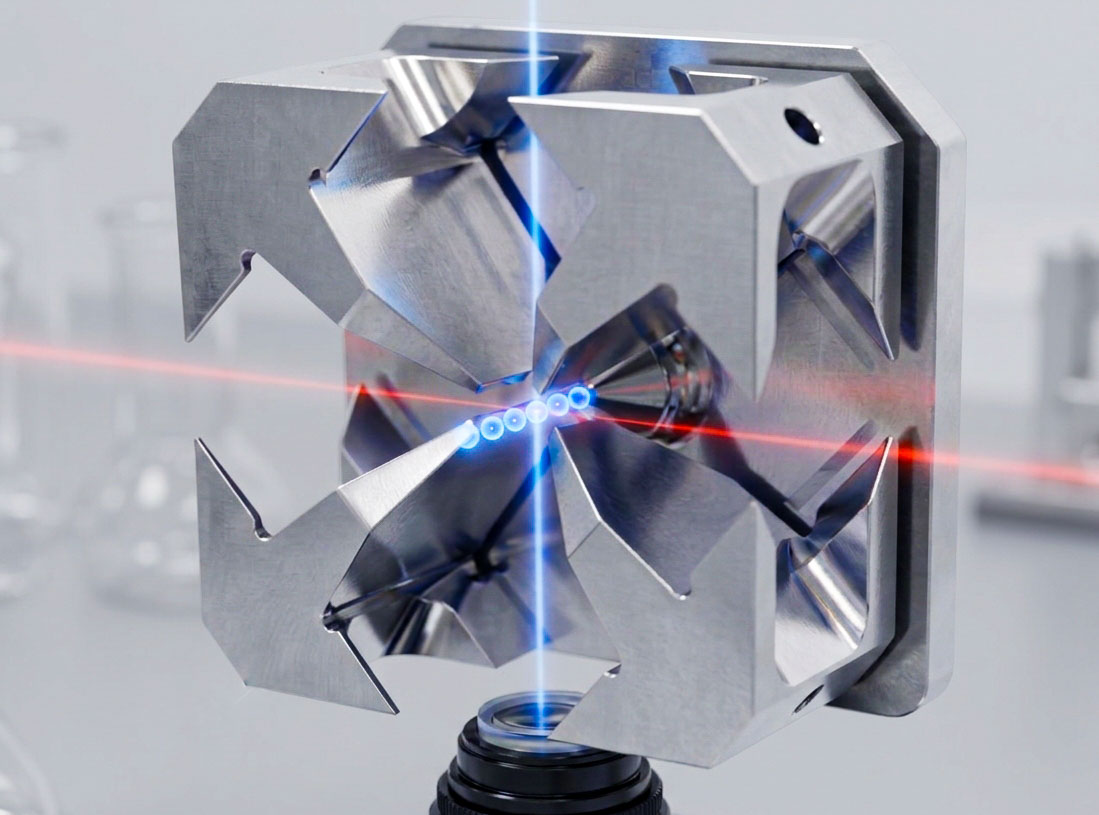
The technology developed at the University of São Paulo keeps strontium particles isolated, paving the way for the production, manipulation, and entanglement of qubits.
Research from São Paulo State University indicates that daily precipitation monitoring allows scientists to track moisture sources and can serve as an early warning system for droughts.
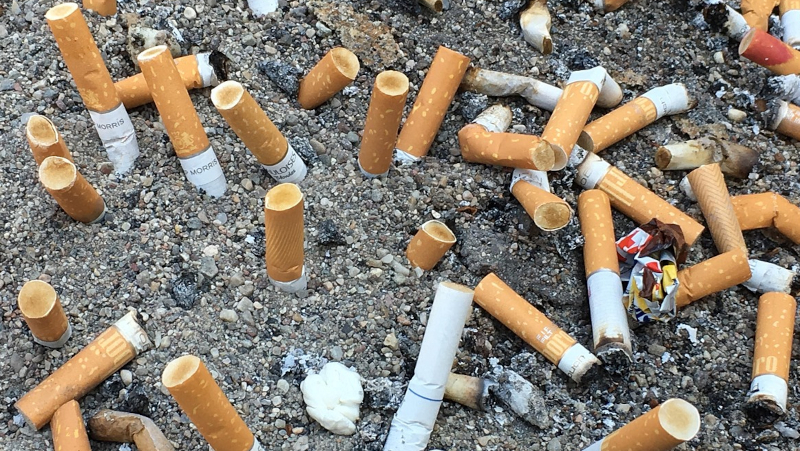
A review study compiling scientific data from 55 countries reveals alarming levels of pollution in urban and aquatic environments. Not even protected and remote areas are completely free from the problem.
Written by historian Lorena Féres da Silva Telles and recently published by the University of Georgia Press, the book reconstructs the life stories of women in the largest slave-holding city of the 19th century.
The data are from a project linked to the Center for Research and Innovation in Mental Health, one of the Applied Research Centers funded by FAPESP. The study was conducted with 1,158 caregivers of young people aged 14 to 23.
A clinical trial conducted at the University of São Paulo demonstrated that both non-pharmacological approaches improve quality of life and alleviate respiratory and anxiety symptoms in the medium term.
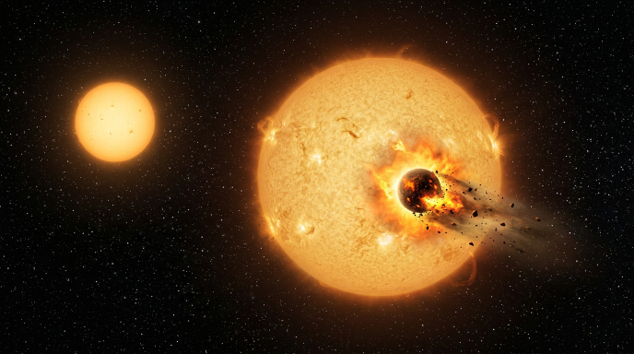
Study shows that an interaction of gravitational and atmospheric factors can reverse the planet’s direction of rotation without the need for collisions with external bodies. This phenomenon may be common among exoplanets in the habitable zone.
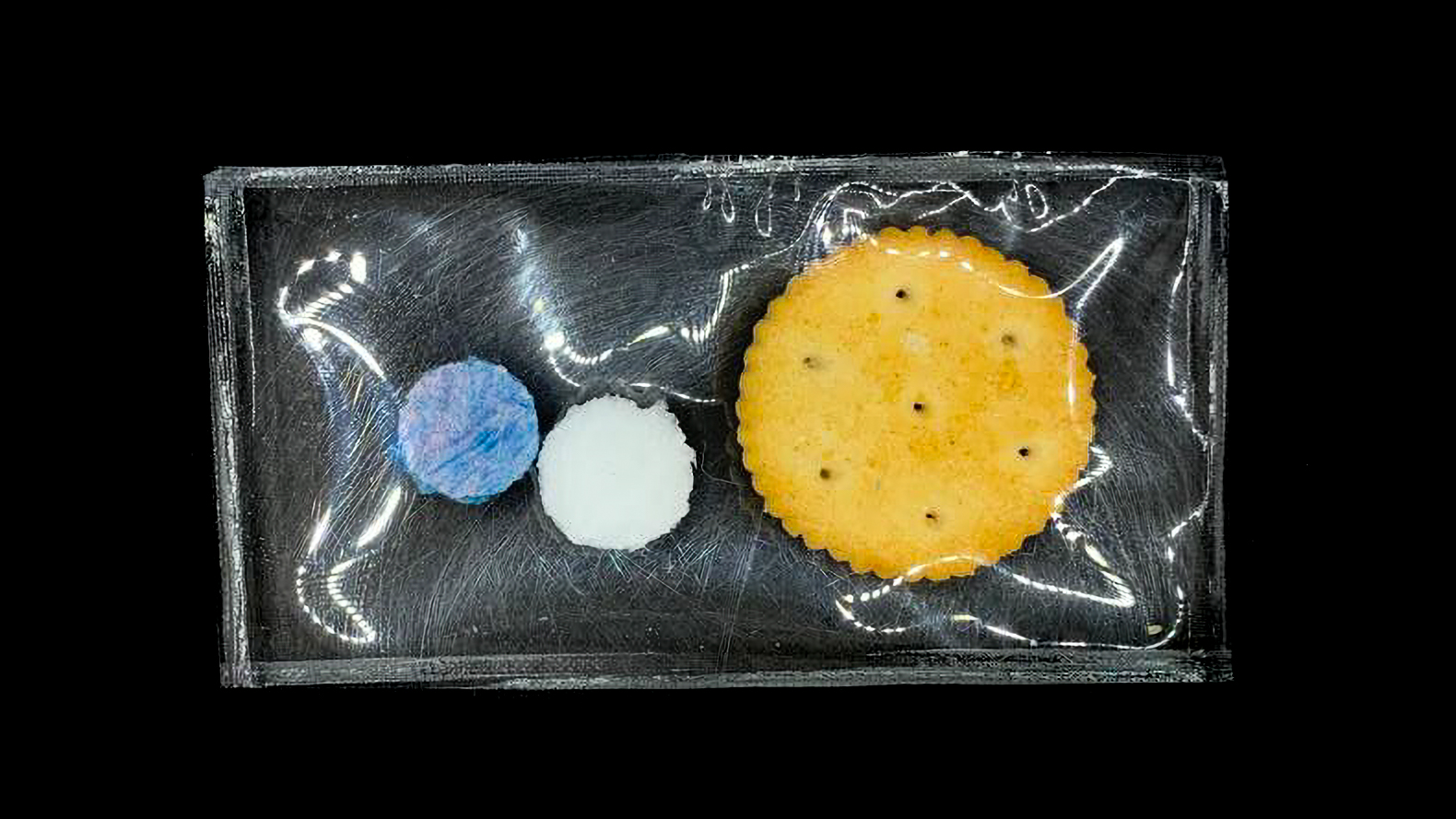
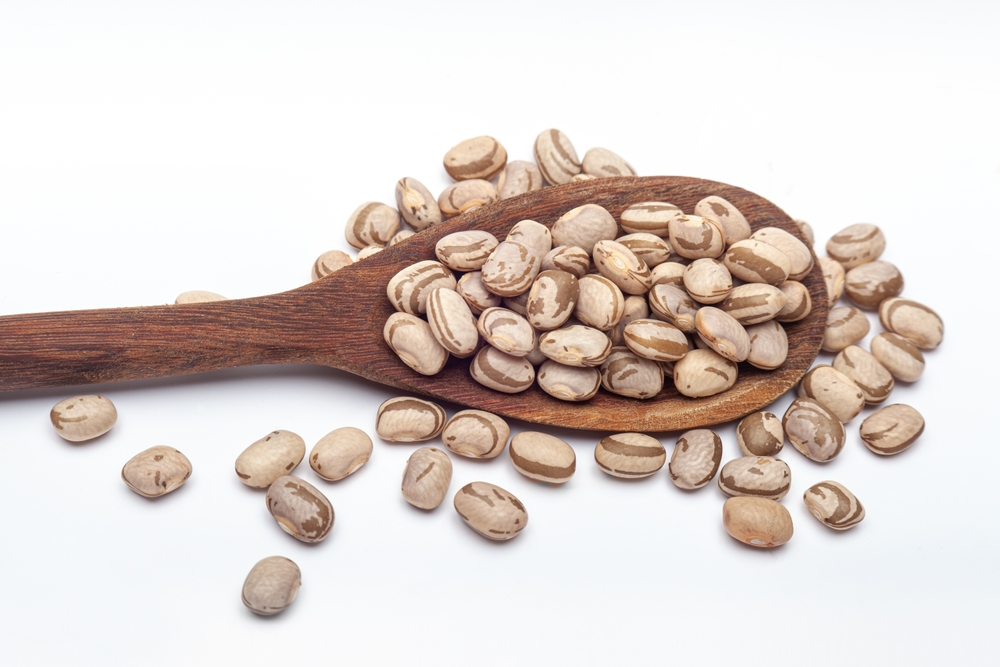
Developed at the Institute of Food Technology with support from FAPESP, the innovation could serve as an alternative to proteins from soybeans or peas, which are largely imported.
Report indicates that, rather than competing in areas such as artificial intelligence, science-based startups should prioritize regional strategic assets, such as biodiversity, to develop unique solutions that are difficult to replicate globally.
A study conducted at the University of São Paulo combined digital archaeology and data science to map the financial flows of the Roman Republic. The results suggest that the consolidation of Roman rule depended not only on military conquest but also on the economic integration of the territories under Roman control.
A research group from the University of São Paulo analyzed over 1,600 articles and found that research increased by 9.5% annually between 1974 and 2025. The authors advocate for regionalized solutions and public policies to bridge the gap between evidence and implementation.