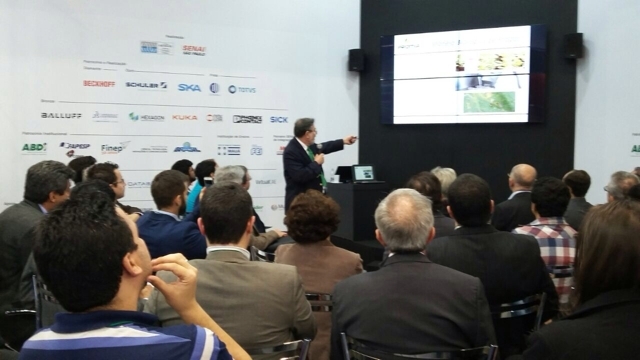
Startup will represent Brazil alongside Dutch and German teams at final of Global Biobased Business Competition during Brazilian BioEnergy Science & Technology Conference in October.
Brazilian biochemist Margaret Magdesian founded a startup in Canada to make organ-on-a-chip devices that enhance the efficiency of experiments using cell cultures.
Theoretical study published in Physical Review Letters could have future applications in nanodevices and computation, and in quantum encryption and communication.
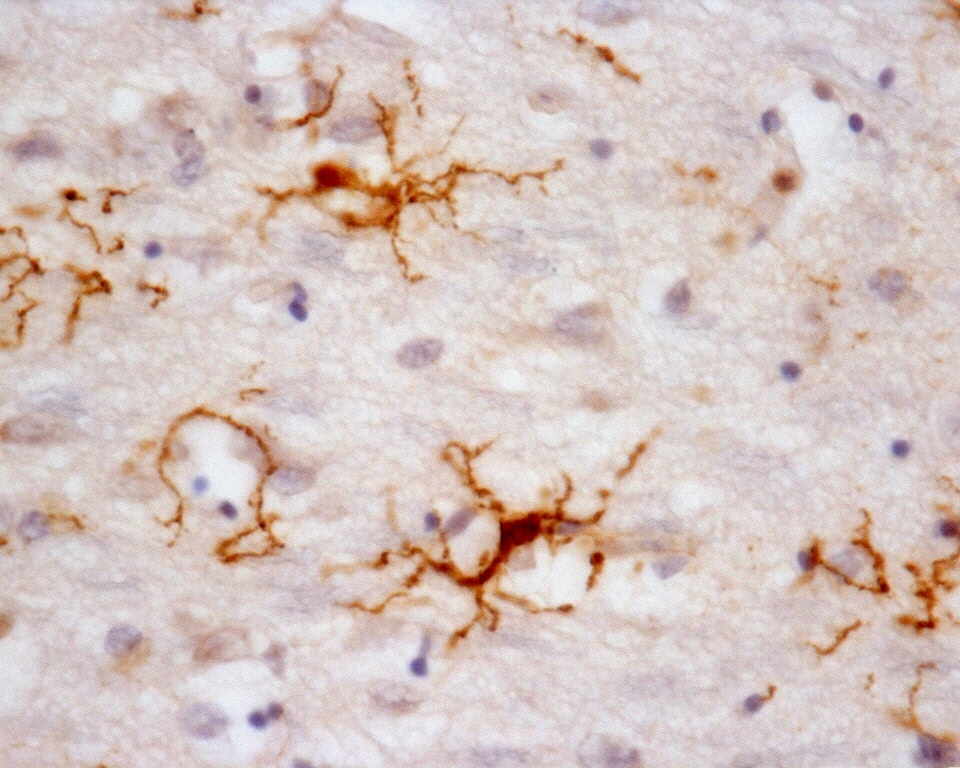
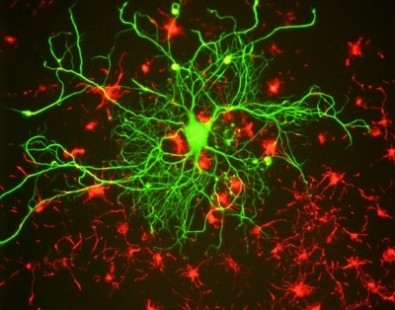
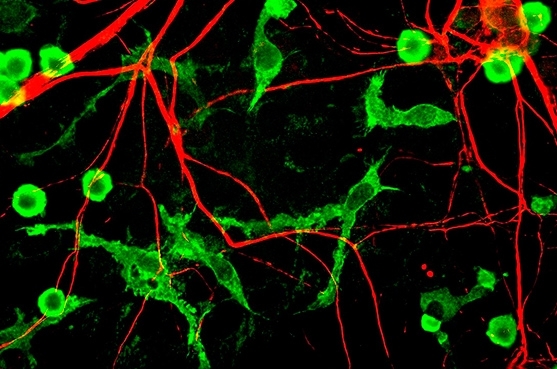
Research highlighting differences between human and murine microglia used in studies of Alzheimer’s and other diseases is published in Nature Neuroscience.
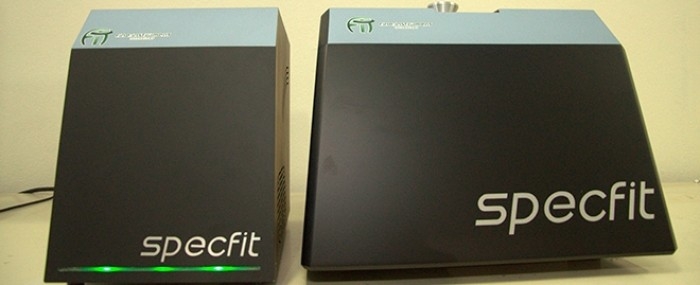
Discovery by startup with support from FAPESP’s Small Business Innovative Research Program, in partnership with scientists at University of São Paulo, results in product that enhances animal reproductive efficiency.
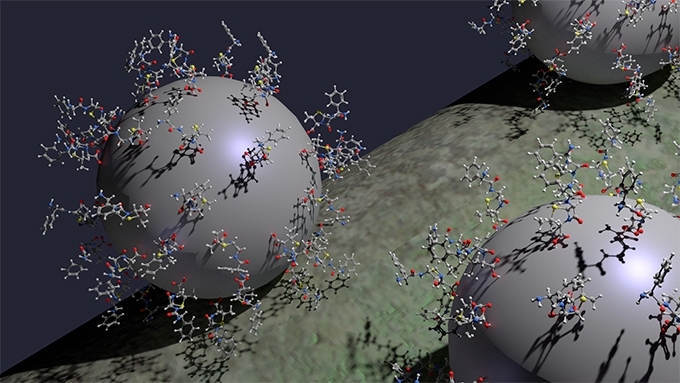
Structuring of layered double hydroxides by groups from Brazil and Belgium extends surface area and enhances the capacity to adsorb different elements and chemical compounds.
During the São Paulo School of Advanced Science in Arbovirology, researchers presented findings showing that infection of mosquitoes by pathogens can be blocked, interrupting transmission to humans.
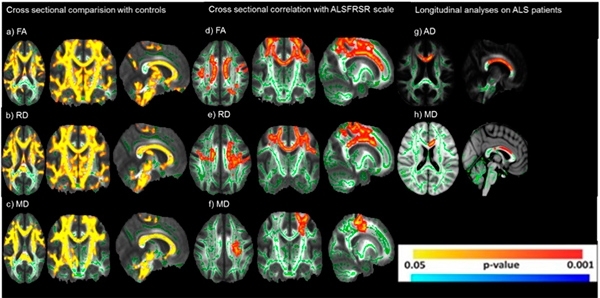
Researchers endeavoring to identify genetic markers for amyotrophic lateral sclerosis verify the importance of analyzing the spinal cord more carefully in cases of the disease.
Emulating the interconnectivity, information density and energy efficiency of the human brain is an ideal pursued by the most advanced and innovative research in informatics.
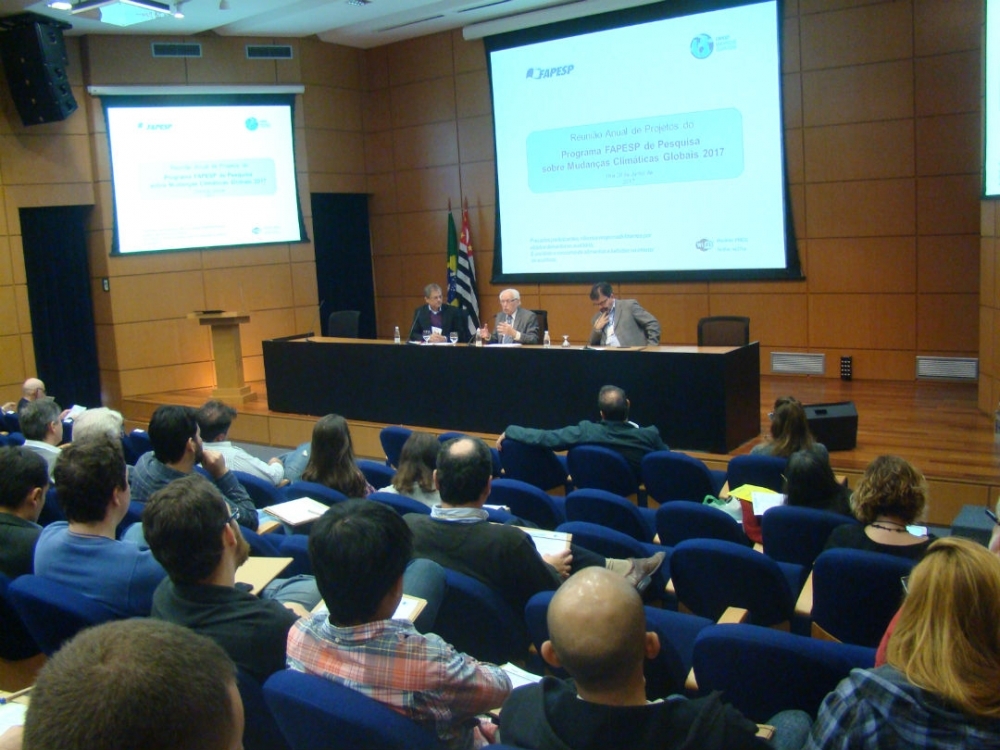
FAPESP's global climate change research program, under which 91 projects have been completed and 47 are in progress, addresses adaptation to and mitigation of climate change in an interdisciplinary manner.
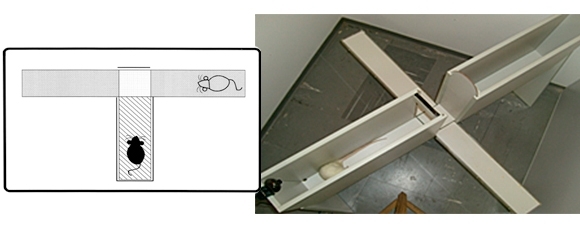
Analysis of fMRI images shows which neural circuits were activated while subjects were diagnosing conditions and prescribing treatment and identified a mechanism that could lead to premature conclusions.
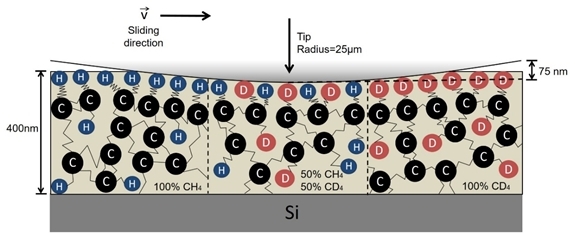
Researchers calculated the role of vibrations that propagate in crystalline networks of materials in friction. This study may lead to technological solutions to decrease wear and enhance the efficiency of devices.
Reviews of air quality data from the past 30 years show that the control of emissions from vehicles and factories is working and advocate the use of electric or hybrid buses.
Type 15 avian paramyxovirus probably does not pose a threat to humans or birds. Preliminary genetic analysis shows that it is closest to viruses found previously in South America.
A consortium comprising scientists from 32 countries, including Brazil, plans to build the world's largest ground-based observatory for gamma-ray astronomy by 2022.
After they differentiated, the parent species of modern sugarcane underwent spontaneous chromosome self-duplications before being crossed by humans not much more than a century ago.
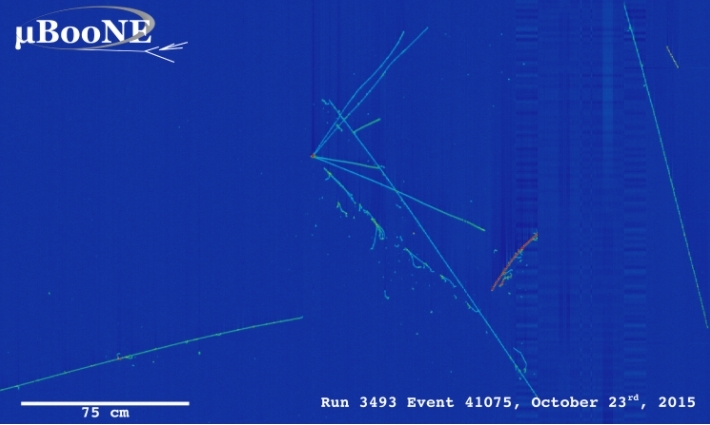
Brazilian researchers may contribute the photodetection system to be used by DUNE, a billion-dollar experiment that will probe the structure of matter and answer nagging questions about the formation of the Universe.
Discovery published in PLOS Neglected Tropical Diseases reinforces evidence that A. aegypti was main vector involved in outbreaks of chikungunya seen in 2015 and 2016.
However, a special report issued by the Brazilian Panel on Climate Change warns that no integrated studies of the vulnerability of coastal cities to sea level changes have been conducted in Brazil.
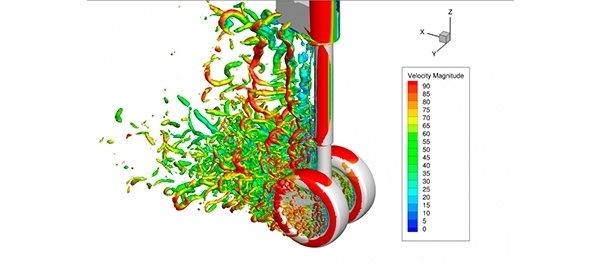
A group at a Brazilian university, partnering with engineers from Boeing, are using computer simulations to identify sources of noise produced by aircraft undercarriages.
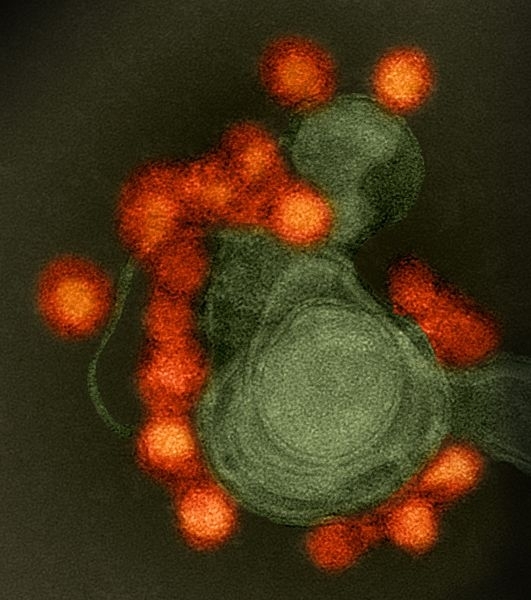
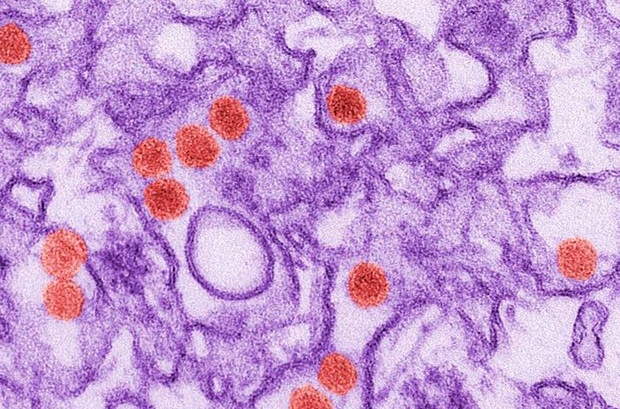
An antibody that bonds specifically to Zika virus has been identified. Research findings were presented at the São Paulo School of Advanced Science in Arbovirology.
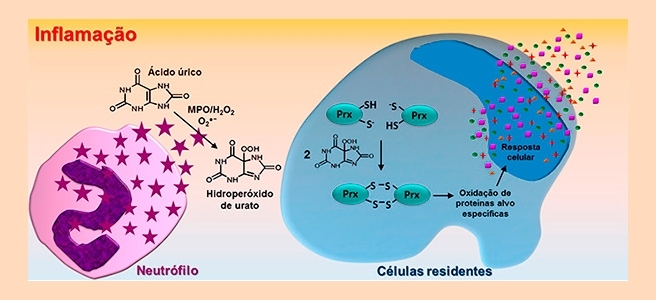
Inflammation caused by uric acid does not depend on high plasma levels of the substance or a mechanical lesion due to uric acid crystals, according to scientists.
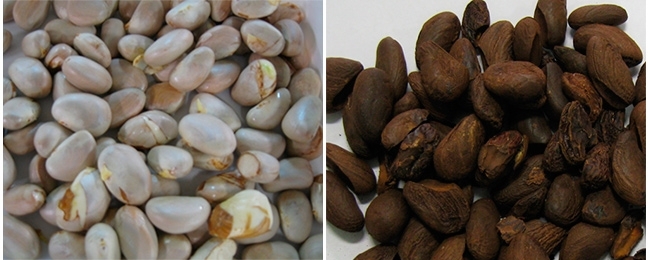
Study shows compounds found in jackfruit seeds produce many of the aromas extracted from cocoa beans and can be used in the manufacturing of food products and cosmetics.
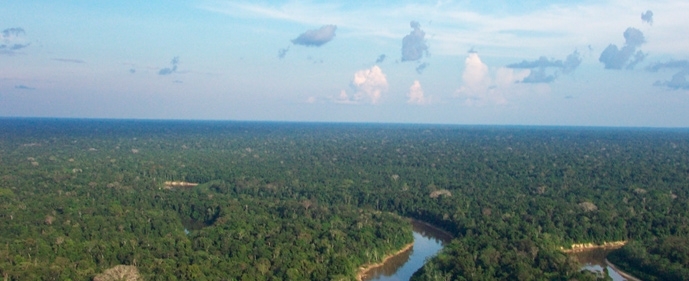
Airborne measurements made as part of the GOAmazon scientific campaign show that the Amazon rainforest emits three times more isoprene than was previously estimated.
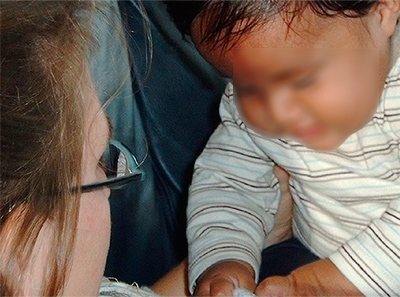
A research group monitored 55 women with a confirmed diagnosis of Zika during pregnancy. Some 28% of the babies were born with mild neurological alterations, but no cases of microcephaly were identified.
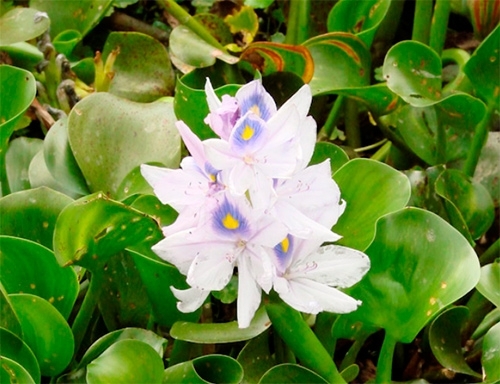
Uncontrolled proliferation mainly results from the disposal of sewage in river basins. Findings have been published in book form available for free download.
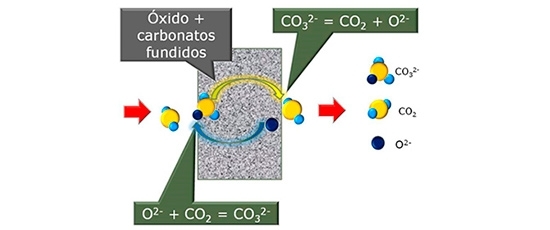
A technique based on composite ceramic membranes promises to be more efficient than those currently available. The study was performed by scientists in Brazil and Portugal.
An article in Scientific Reports shows that silver-silica nanoparticles with an ampicillin coating are safe for human cells and lethal to antibiotic-resistant microorganisms.
Article in Nature describing the analysis of 54 new whole genomes suggests that Zika virus arrived in Brazil in February 2014 and spread silently through the Americas for at least a year.
In a computer simulation, introducing a mathematical term for plasticity led to changes in the topology of a neural network, such that different synchronization patterns coexisted among the neurons.
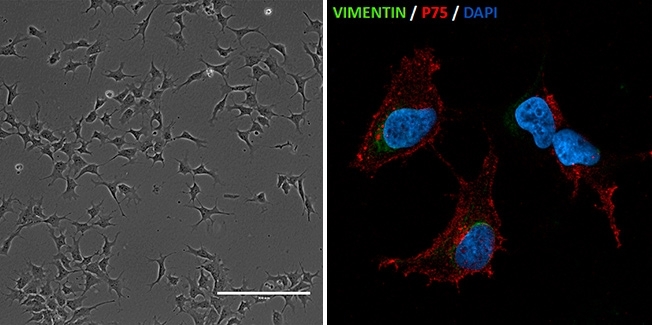
Researchers at the University of São Paulo's Human Genome and Stem Cell Research Center have reconstructed the cellular process that causes Richieri-Costa Pereira syndrome.
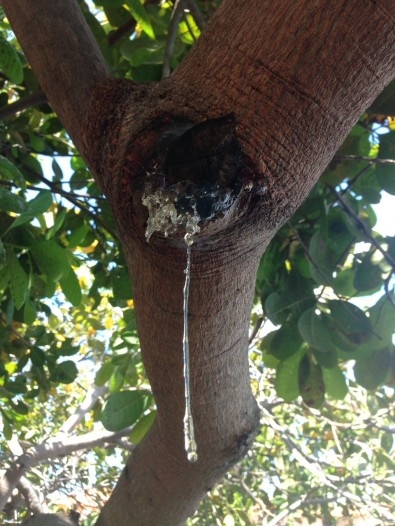
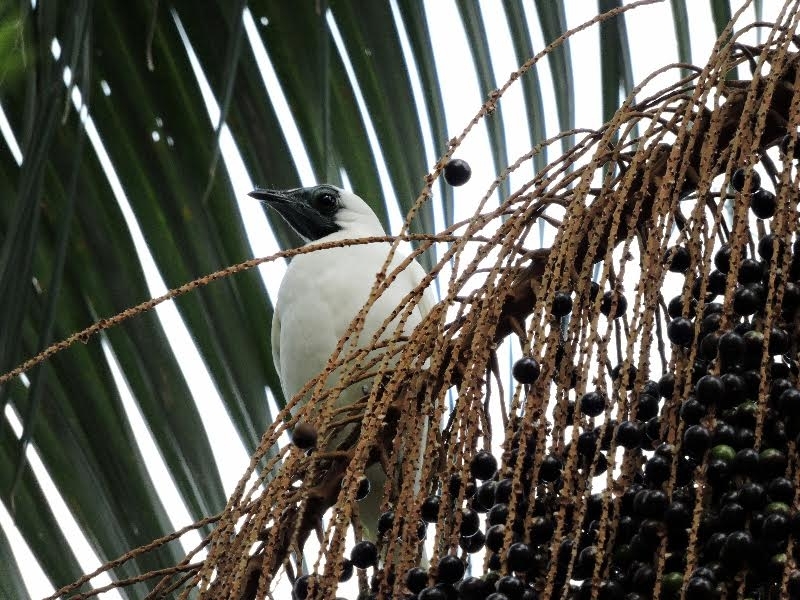
Researchers investigate how climate variability and the extinction of bird species affect the genetic diversity and conservation of Euterpe edulis, the palm tree that symbolizes the Atlantic Rainforest.
Six new plant species were discovered, a jaguar was sighted not far from the municipality's southern edge, and species typical of the Cerrado are found more frequently.
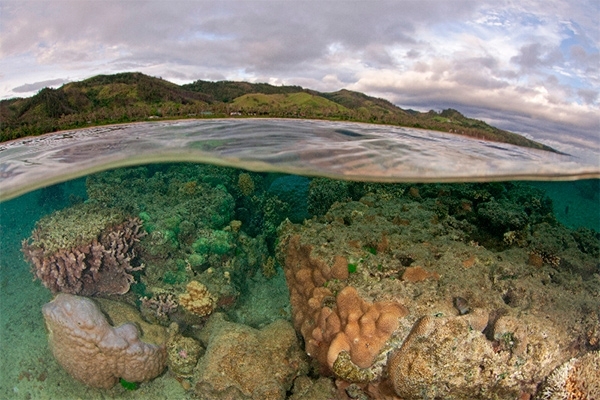
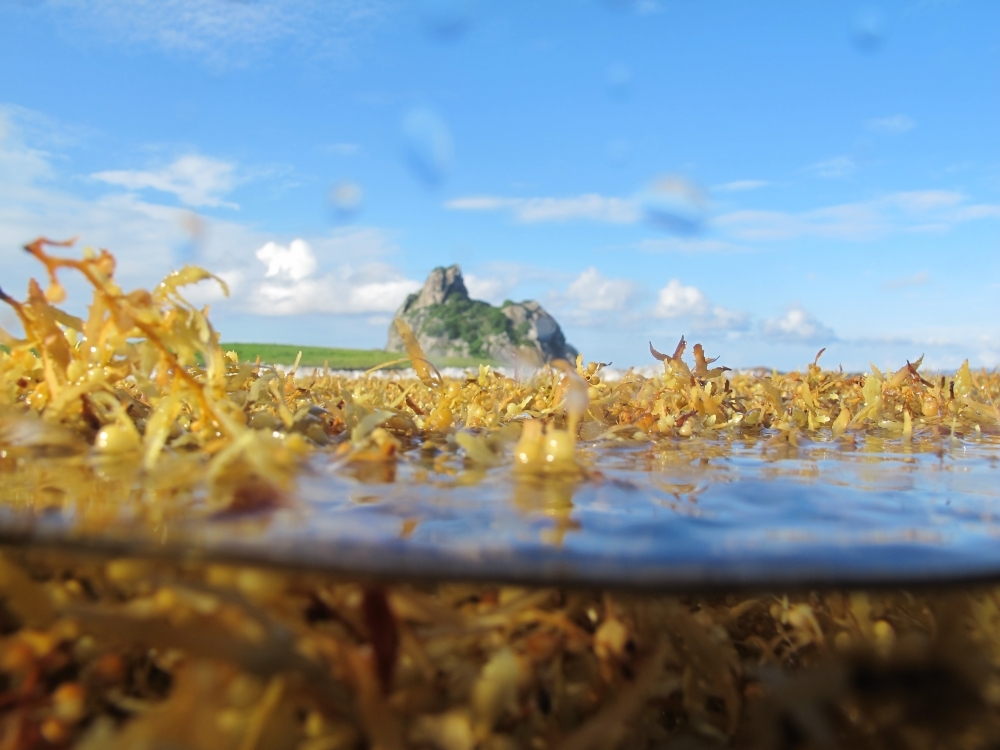
Findings published in the journal Phycologia suggest that the huge mass of Sargassum macroalgae found on beaches in northern Brazil in 2014 and 2015 did not come from the Caribbean, as previously thought.
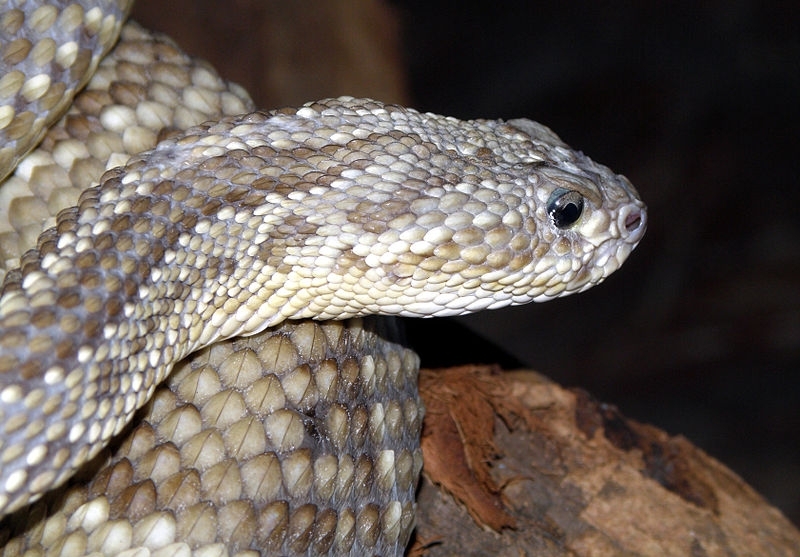
Found in rattlesnake venom, crotoxin can paralyze muscles for a long time and has anti-inflammatory, analgesic, anti-tumoral and immunomodulatory properties.