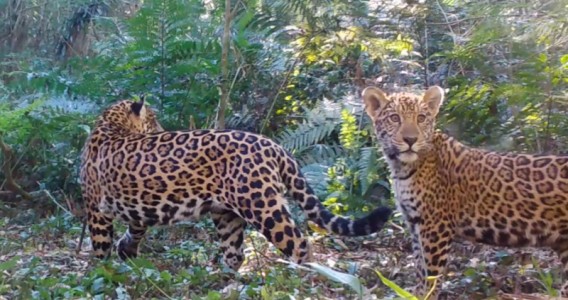




A study indicates that the availability of food for the largest cat in the Americas is a key factor in its presence in conservation areas of the biome, which covers approximately 15% of Brazil.
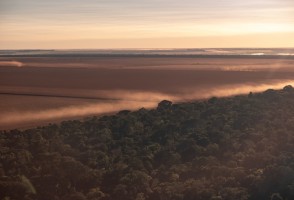
A study led by Brazilian researchers shows that species are being replaced by generalists, and there is no trend toward savannization; however, recovered areas are more vulnerable.
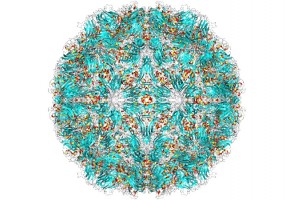
A study conducted at the University of São Paulo shows that the pathogen can persist in these tissues for long periods, be transmitted unexpectedly, and trigger new outbreaks of the disease.
Research on mice conducted at the Federal University of São Paulo shows that training in water promotes more robust and healthy cardiac adaptations.
Small amounts of this anthropogenic soil, created by ancient Amazonian populations, have demonstrated a potent effect on the growth of two species of interest for reforestation.
Research coordinated by a University of São Paulo professor showed that a substance extracted from Copaifera lucens Dwyer leaves combats the microorganism that causes COVID-19 on multiple fronts.
In laboratory tests, the system operated stably for 120 hours. The prototype was also tested outdoors and maintained the same efficiency.
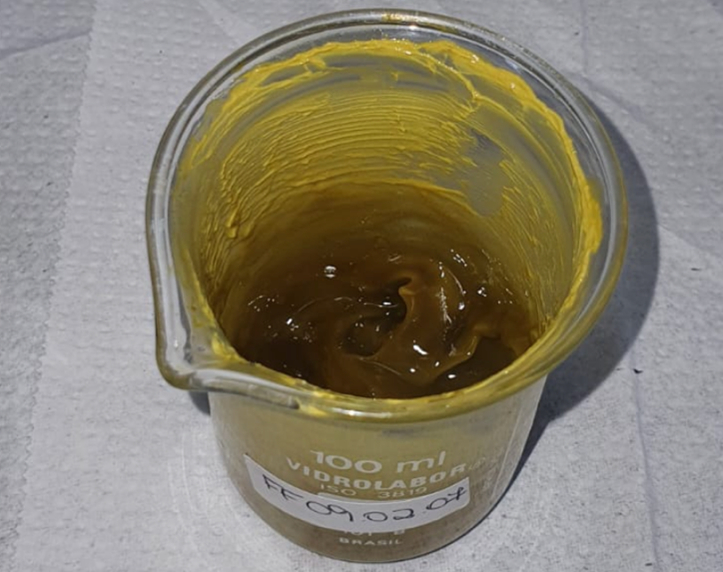
Using industrial waste could enable the production of more sustainable and affordable cosmetics.
A study involving animals and humans showed that minocycline, in doses lower than those administered for bacterial infections, has an anti-inflammatory effect on microglia, which are brain cells that become more inflamed in people with the disorder.
Research conducted on rats showed that the substance improved the viability of grafting, a method that preserves fertility in young cancer patients.
According to calculations by scientists at a FAPESP-supported research center, the amount is equal to the emission of 5.2 billion tons of CO2 equivalent. The authors point to the potential to meet Brazilian mitigation targets by “recarbonizing” soils through sustainable agricultural practices.

Analysis based on municipal data identifies seven production clusters and ten consumption clusters, highlighting the need for infrastructure to connect energy and industrial hubs.