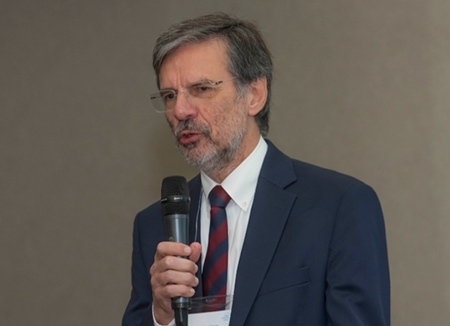
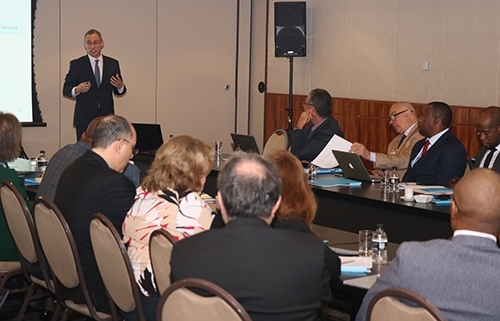
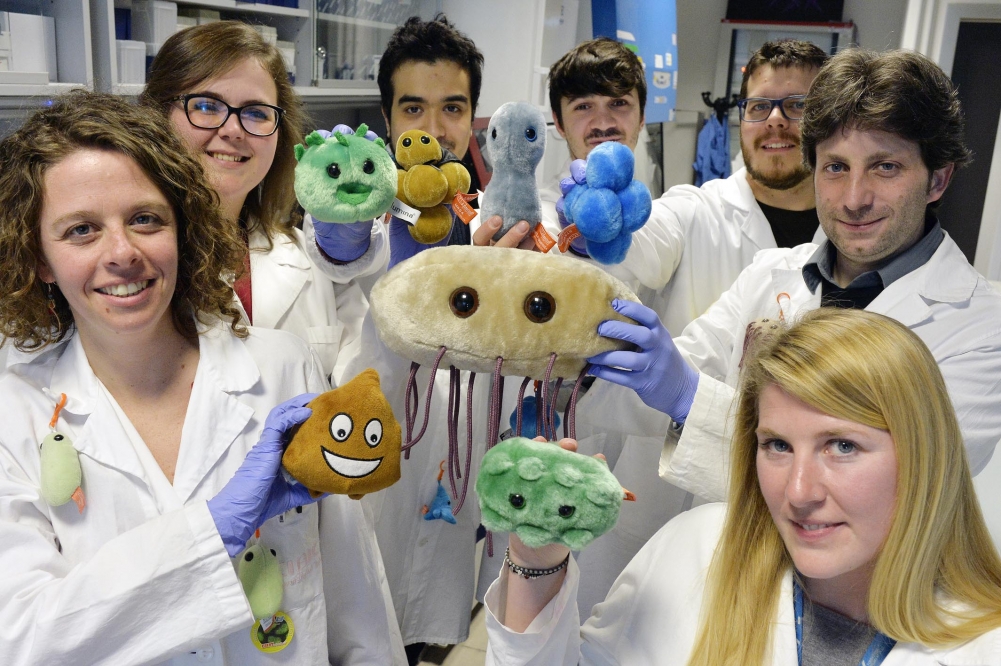
Research funding agencies should not confine themselves to conventional means of communication if they want to reach the younger generation, says ERC President Jean-Pierre Bourguignon.
Organizations in the Asia-Pacific region are developing ways to make grant approval procedures more transparent and to encourage young researchers to follow a long-term career in science.
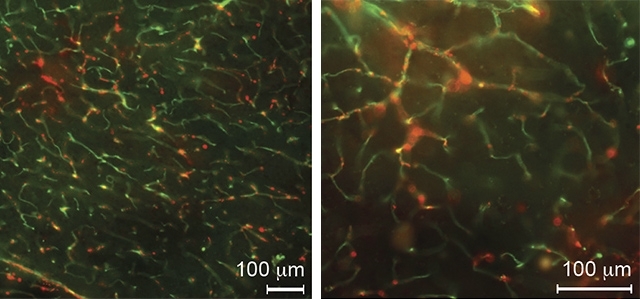
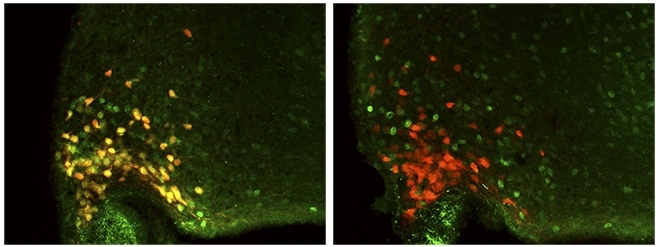
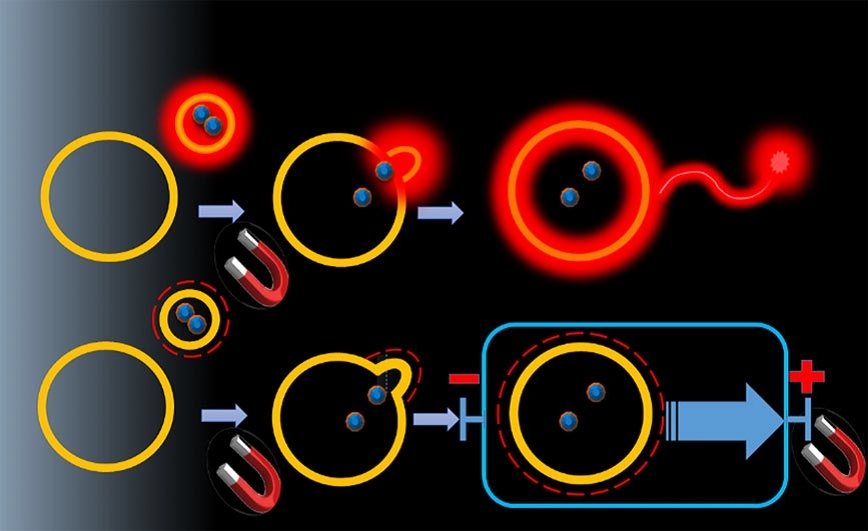
Peptide developed in Brazil is capable of binding to the blood-brain barrier that protects the central nervous system and could help create novel imaging tests to diagnose Alzheimer’s and Parkinson’s.
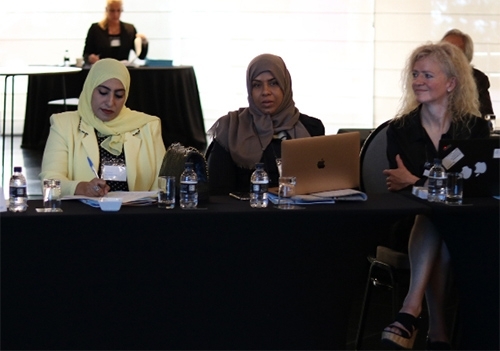
Global Research Council’s annual summit turns its spotlight to women’s participation in research. Gender Working Group posts survey online to collect data from all five continents.
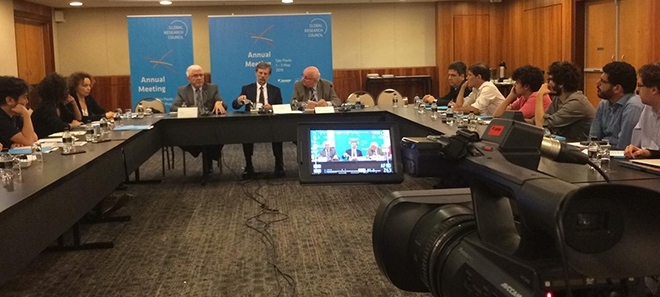
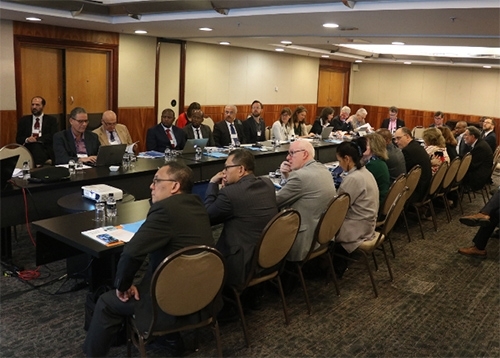
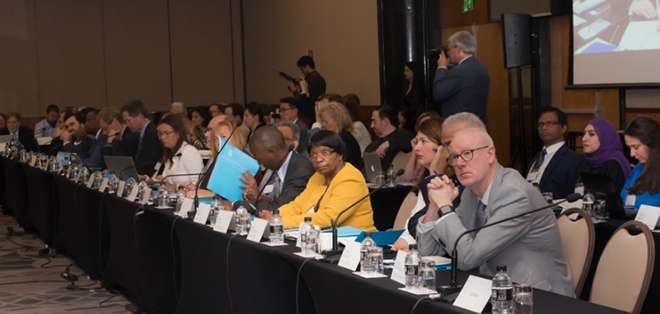
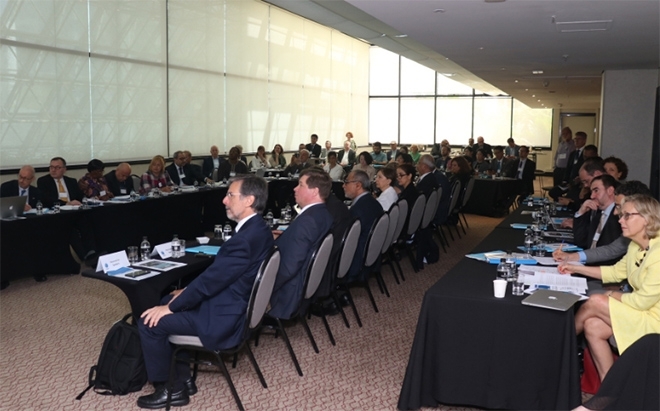
Heads of funding agencies attending the Global Research Council’s annual meeting also highlighted the importance of short- and long-term assessments of the impact of scientific production.
Representatives of several initiatives that support the movement for open access and seek to revolutionize the academic publishing system meet in São Paulo and announce a statement of principles.
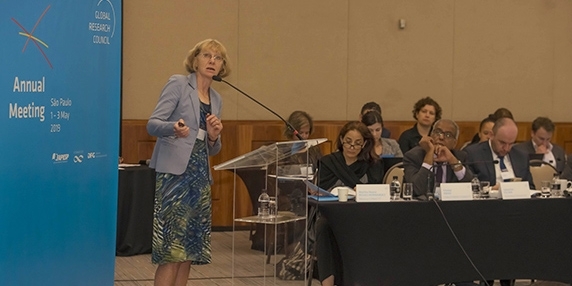
Peter Strohschneider (DFG/Germany) stresses that funding agencies represented by the Global Research Council should contribute to an international system that supports free, open, productive, and impactful research.
Analysis of 31 partnered research programmes conducted by nine funding agencies is presented to 8th Annual Meeting of Global Research Council in São Paulo.
Large-scale science facilities set to come on stream in Latin America in the years ahead can help scientists in the region take the lead and enhance the impact of their research.
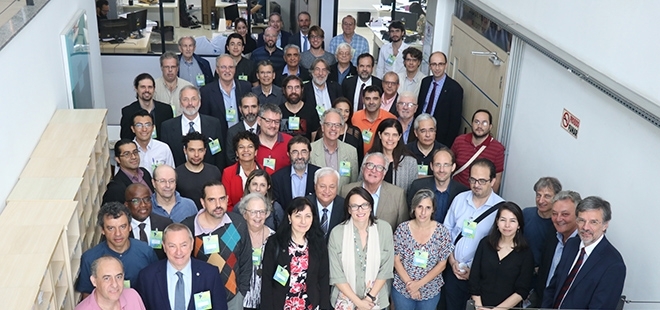
Researchers and heads of funding agencies from several countries highlight ways and means of fostering large-scale long-term scientific collaborations in Latin America.
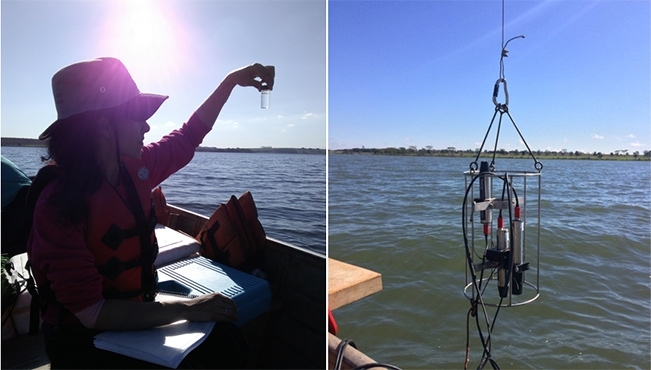
Reservoir cascade steadily improves water transparency by retaining matter in suspension that affects light absorption, as measured by a study conducted in Brazil.
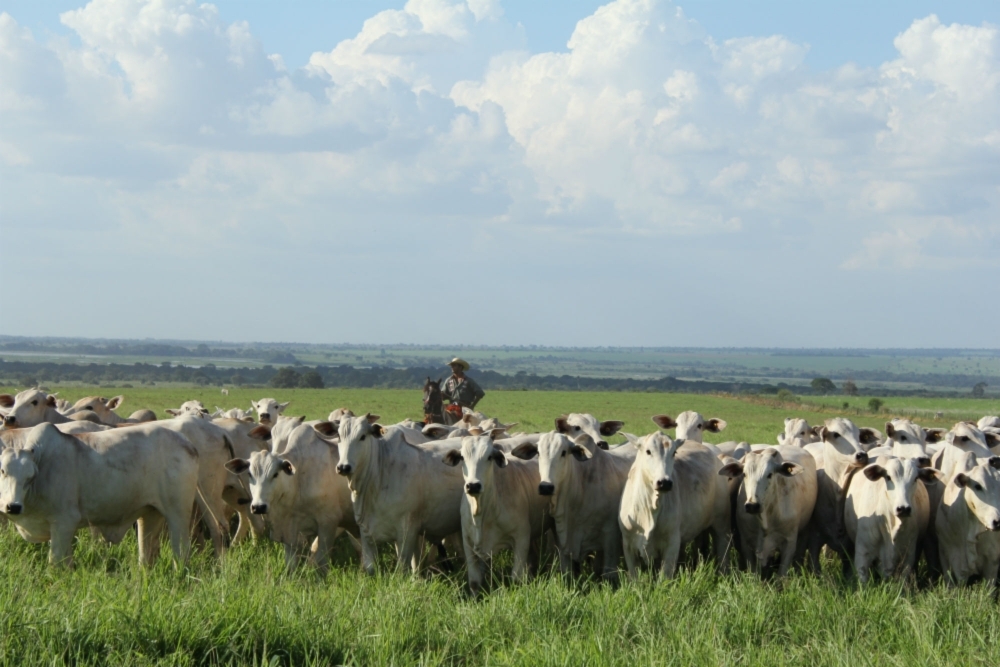
The results of a project involving Brazilian and British researchers show that integrated crop-livestock-pasture systems improve soil quality, increase cattle yields and benefit the environment.
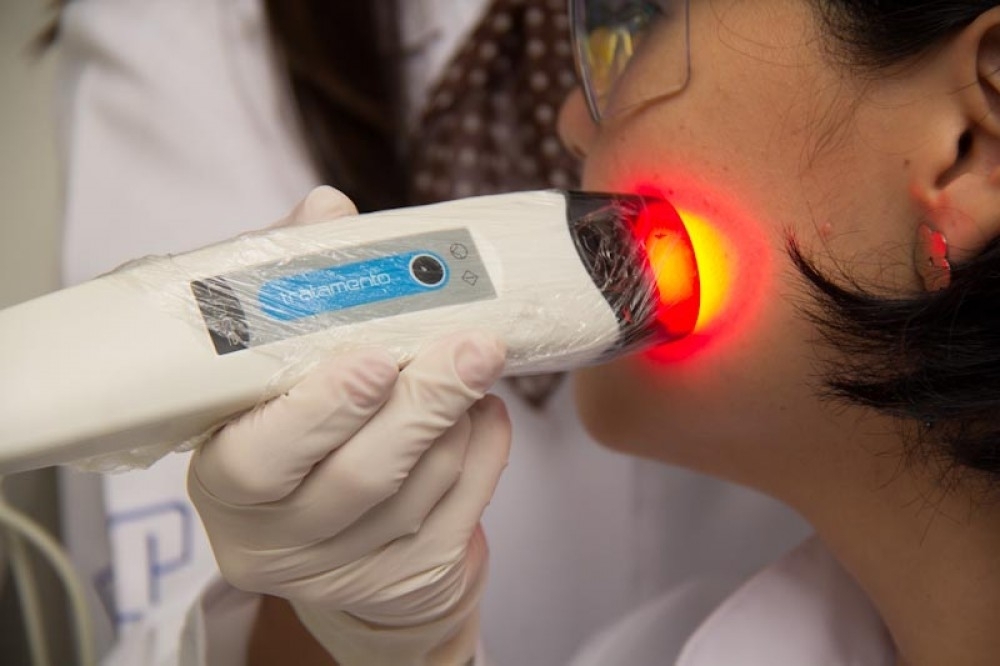
The Center for Research in Optics and Photonics, supported by FAPESP, has developed a device for the noninvasive treatment of nonmelanoma skin cancer, the most frequent type worldwide.
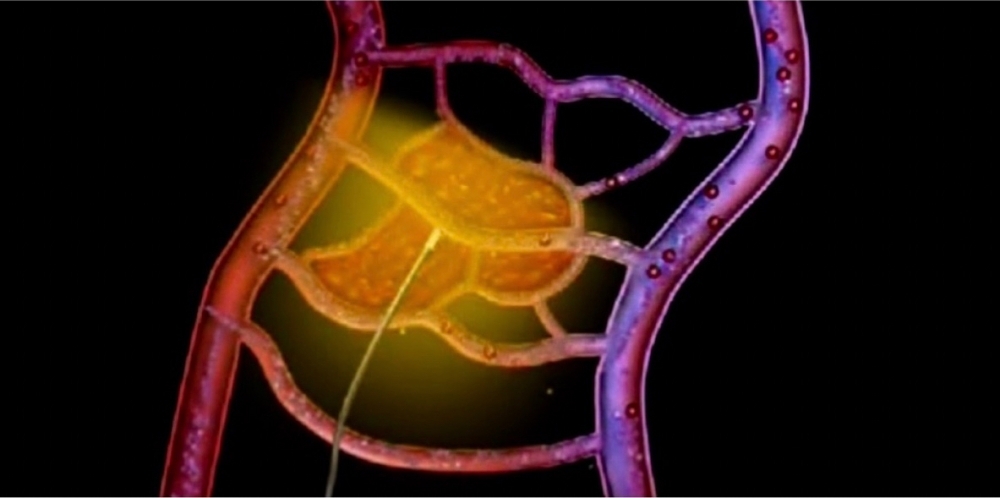
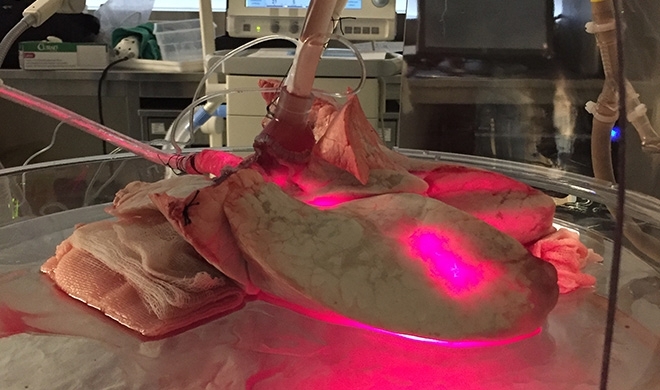
Novel therapy developed in Israel uses a laser-activated photosensitizing drug to attack early-stage prostate cancer, according to a presentation delivered to an international event on biophotonics supported by FAPESP.
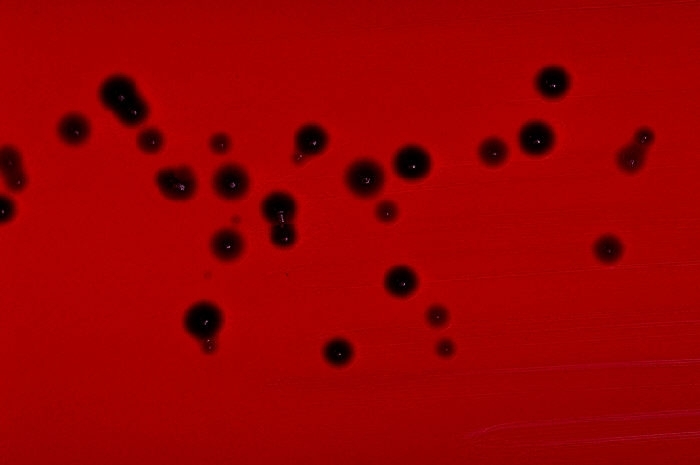
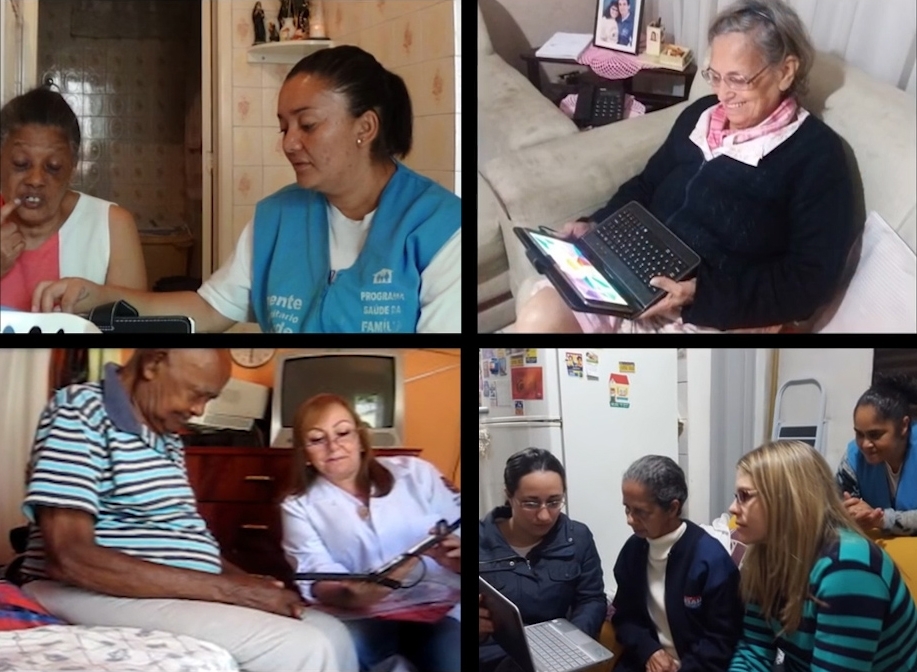
Survey covering 163 municipalities showed that toothache, bleeding and periodontal disease affected 50.57% of respondents, a proportion considered high by specialists.
Graduate students and researchers from any country have until April 24 to apply for a place at the event, which is supported by FAPESP and will take place in São Paulo, Brazil.
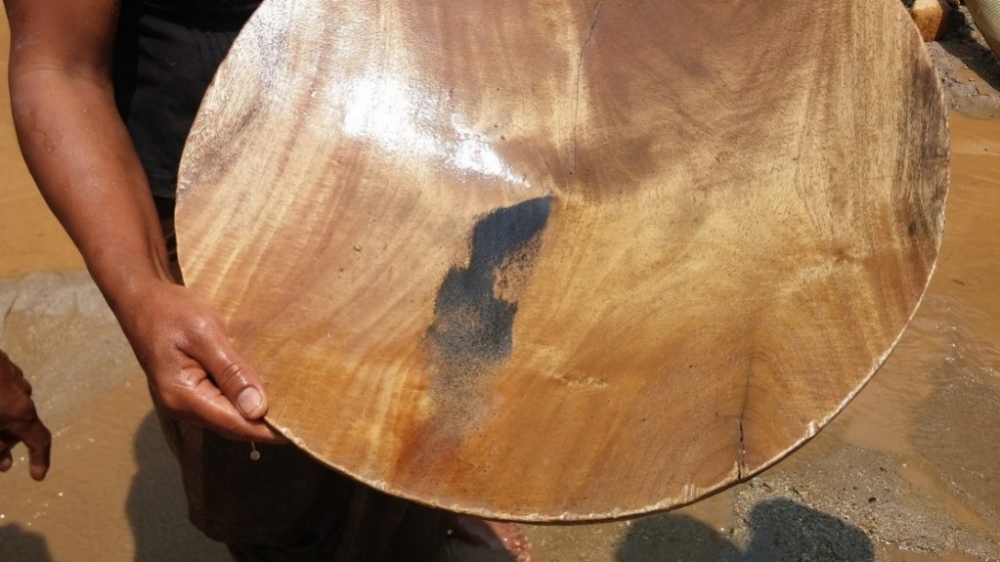
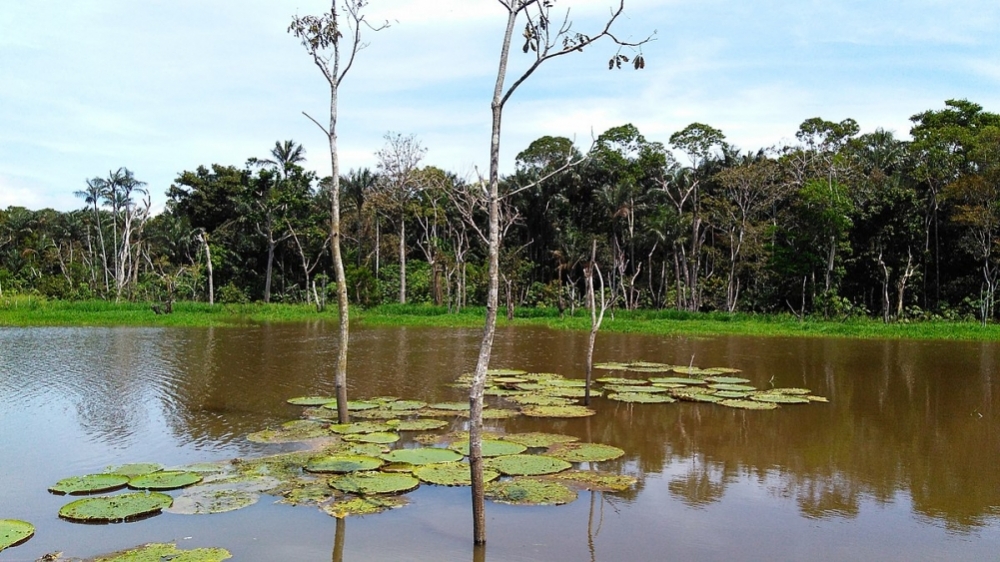
Although artisanal mining has declined in the region, it continues to account for high levels of mercury in the largest tributary of the Amazon, according to a study supported by FAPESP’s SPRINT program.
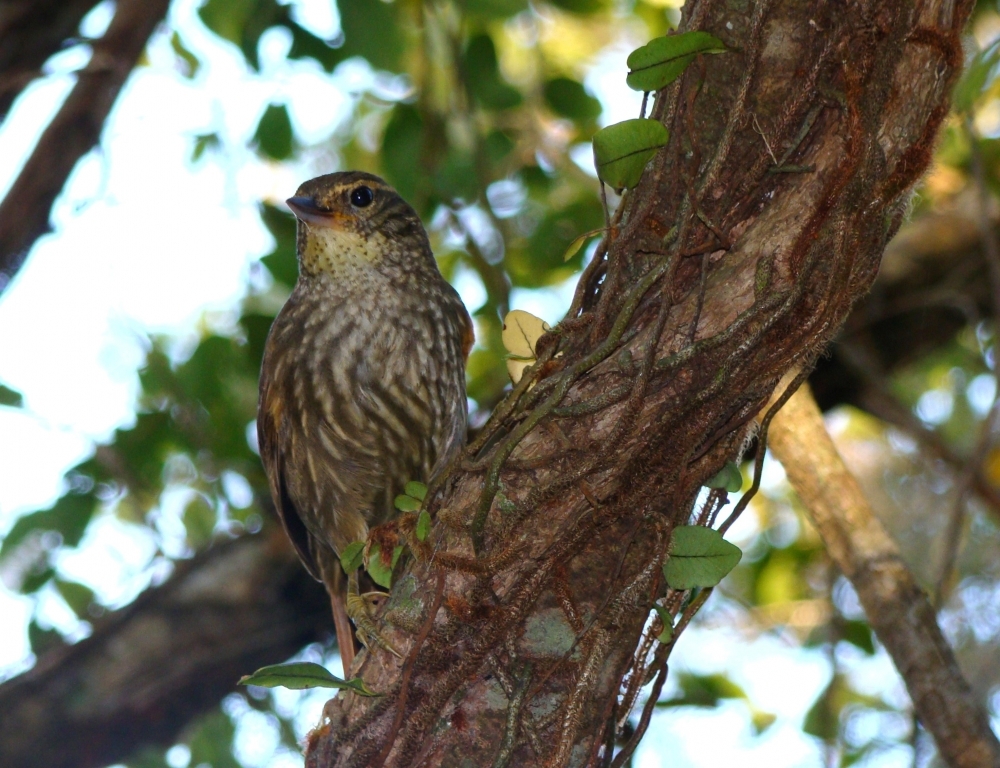
A genetic and computational analysis of birds suggests that the Andean and Atlantic tropical forests, which are now almost a thousand kilometers apart, were connected via the Cerrado in the distant past.
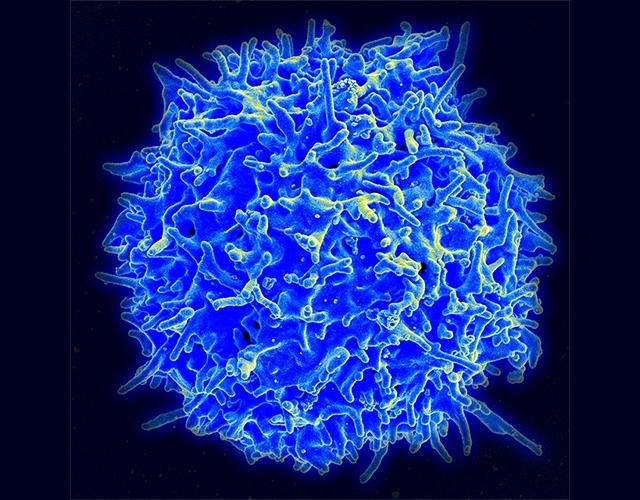
Present in the most aggressive cases of a disease known as SPTCL and accounting for 60% of all cases, these mutations make the immune system attack the organism instead of protecting it.
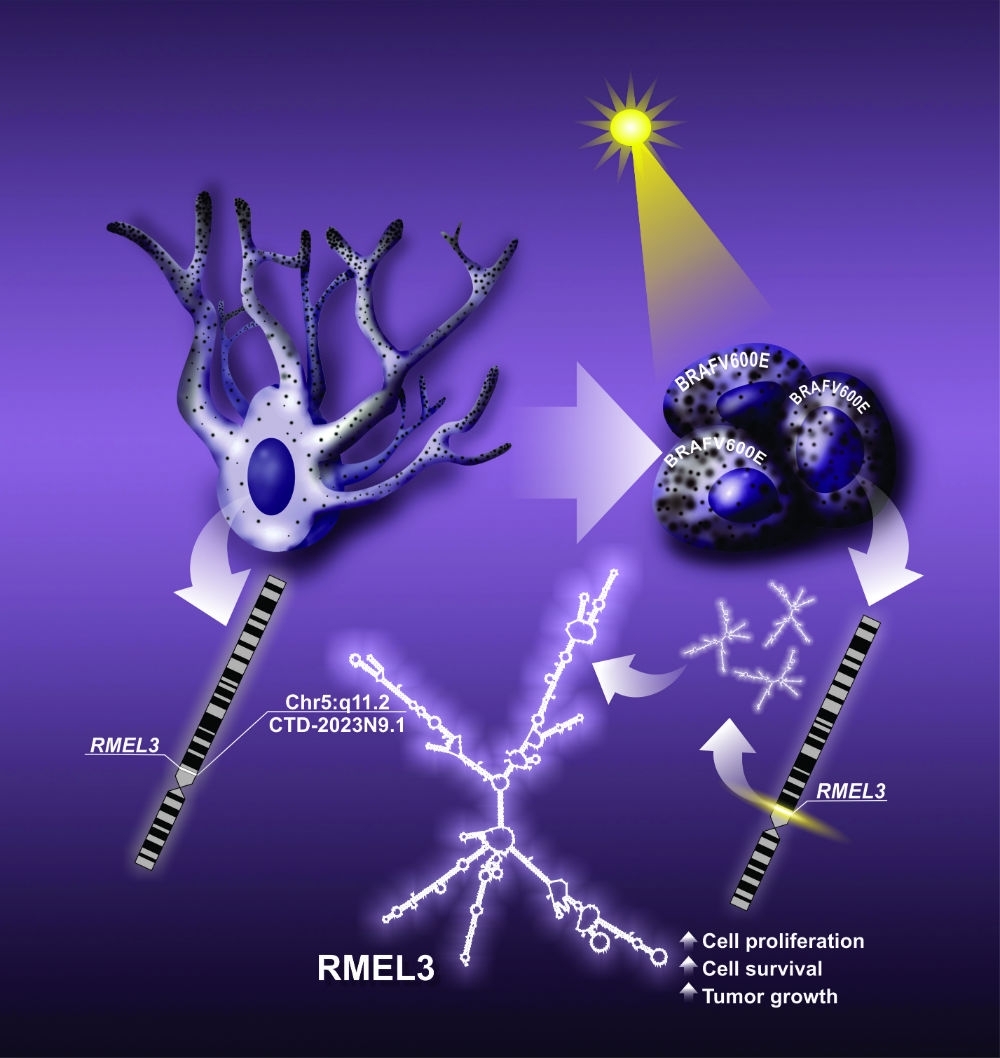
A long noncoding RNA protects cancer cells and increases their proliferation. The discovery could lead to treatment for drug-resistant types of melanoma.
Brazilian researchers have identified robust signs of the existence of a giant object in the Cygnus constellation orbiting a binary system of a live star and a white dwarf.
Researchers have found evidence of the existence of rocky exoplanets with a high probability of having plate tectonics, increasing the likelihood that they are habitable.
By identifying signature of 16 disease-related microbial species, this international study with Brazilian participation may contribute to develop predictive tests valid for populations with different dietary cultures.
For the first time in South America, Brazilian researchers have described the Lihan tick virus and Wuhan tick virus 2. The study is published in Scientific Reports.
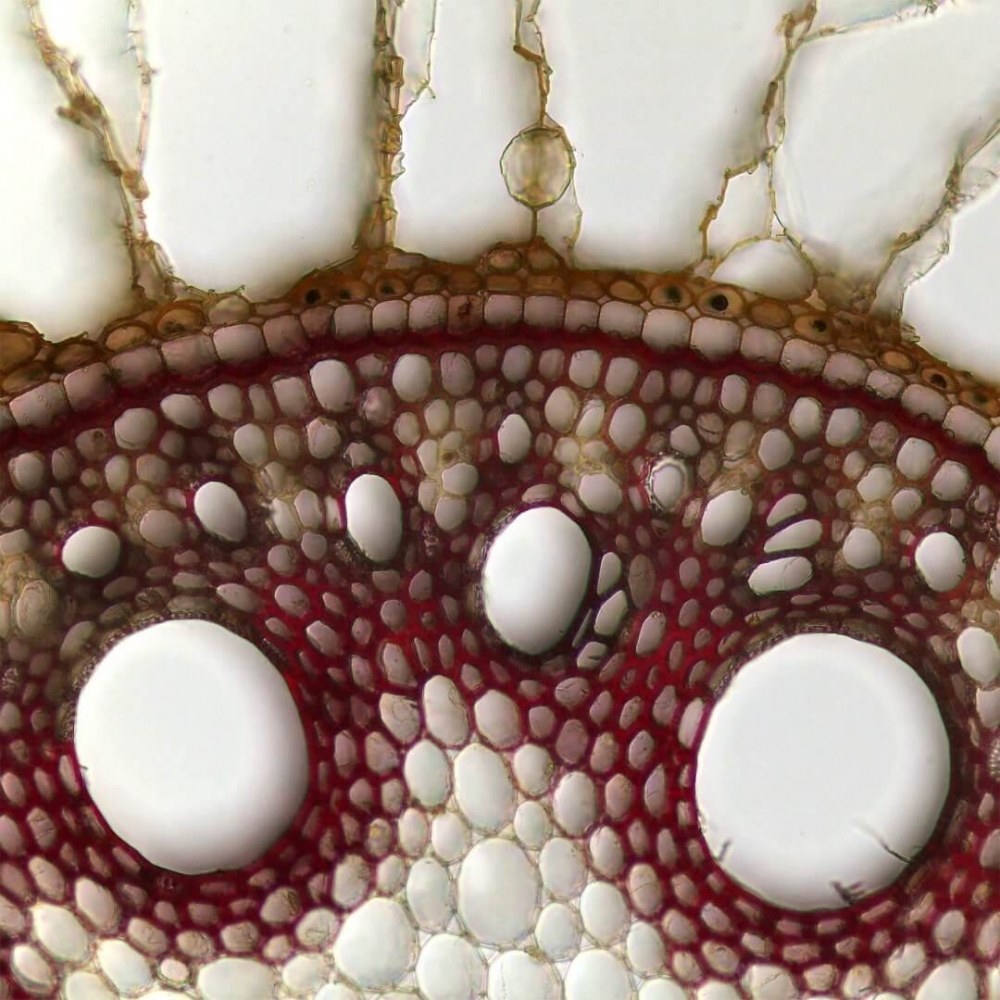
Description of genes involved in sugarcane root cell separation could lead to the development of varieties with softened cell walls similar to those of papaya, boosting the production of second-generation ethanol.
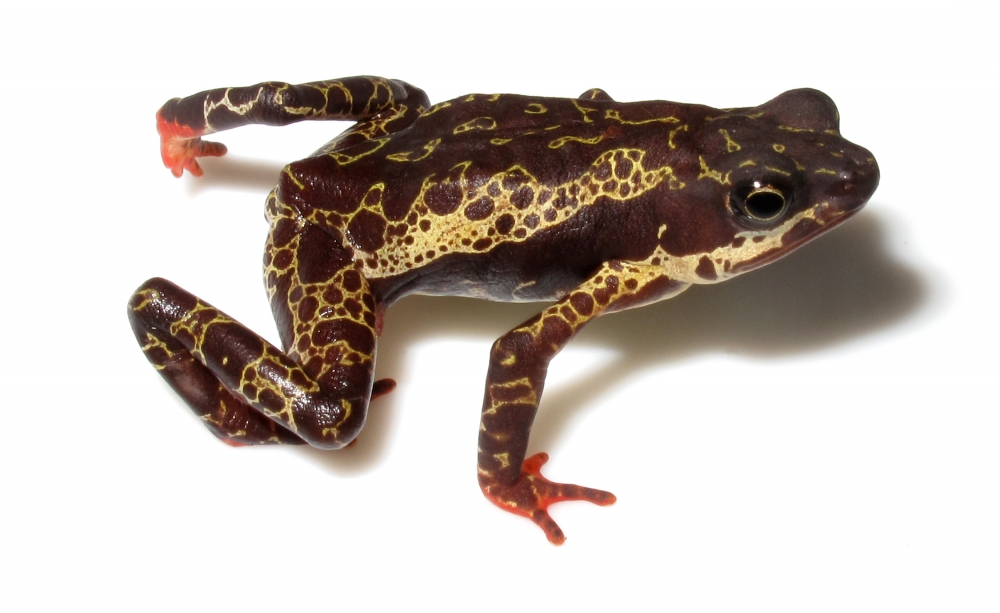
Survey by researchers in 16 countries is published in Science. Authors say chytrid fungus is responsible for heaviest biodiversity loss ever caused by a single pathogen.
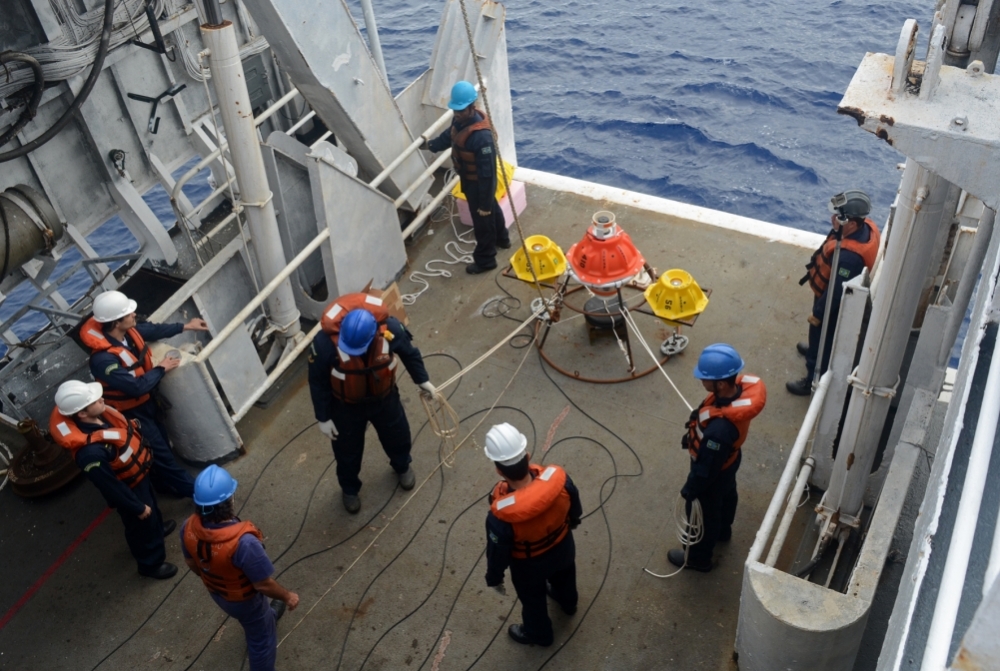
Brazilian researchers are participating in an international collaboration that has anchored equipment at strategic locations in the South Atlantic to monitor possible changes in maritime currents.
Most of the carbon circulating in lakes, wetlands and floodplains comes not from phytoplankton, invertebrates and fish but from the microbial food web.
Research on the impact of climate change on the oceans will be increasingly important in the years ahead, according to participants attending the annual meeting of the FAPESP Research Program on Global Climate Change.
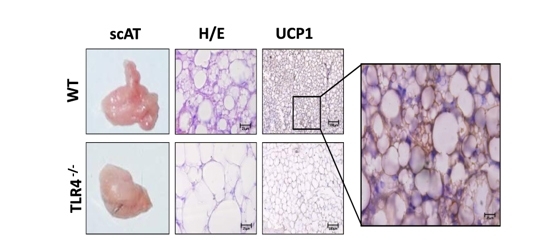
Experiments with mice suggest that treatment with atorvastatin can attenuate adipose tissue remodeling, leading to rapid weight loss and muscle atrophy.
Researchers from eight universities in São Paulo State, in partnership with large corporations and startups in several industries, have launched an advanced institute to conduct collaborative AI development projects.
The role played by symbiotic microorganisms isolated from the skin of anurans has been discovered by researchers in Brazil. The study is published in Proceedings of the National Academy of Sciences.