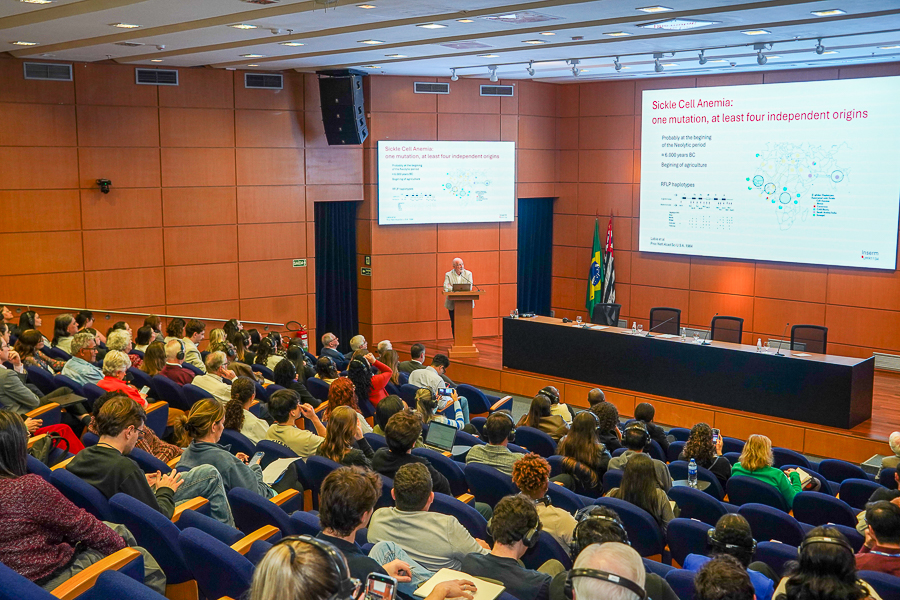
Research on sickle cell anemia spurred the development of genetic technologies, but there is an urgent need to democratize access to modern therapies, noted French hematologist Jacques Elion at a conference hosted by FAPESP.
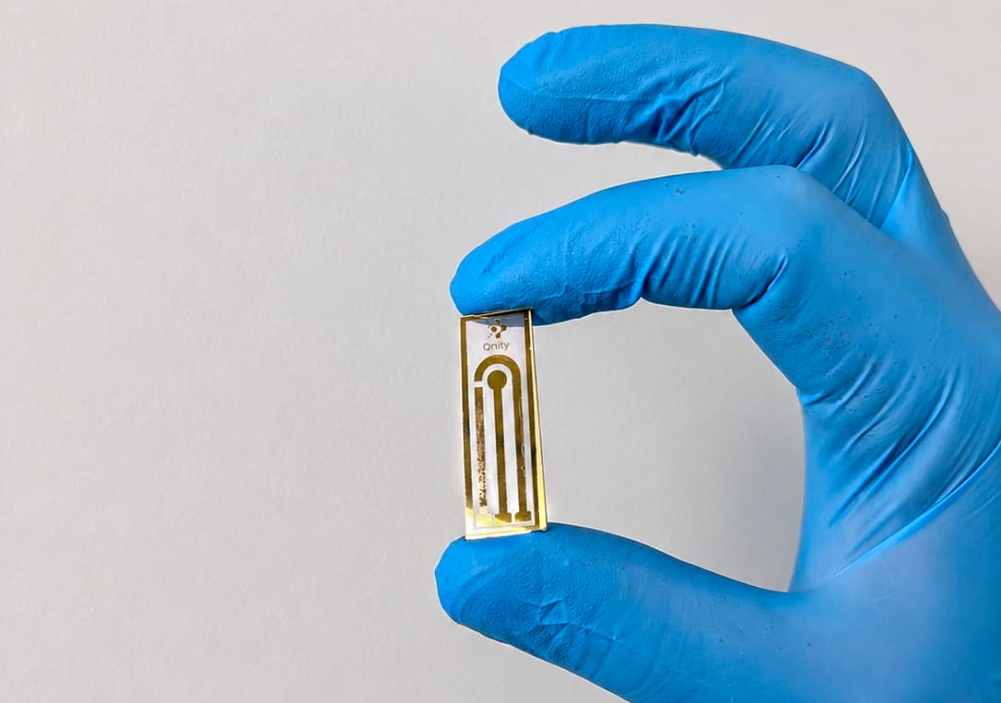
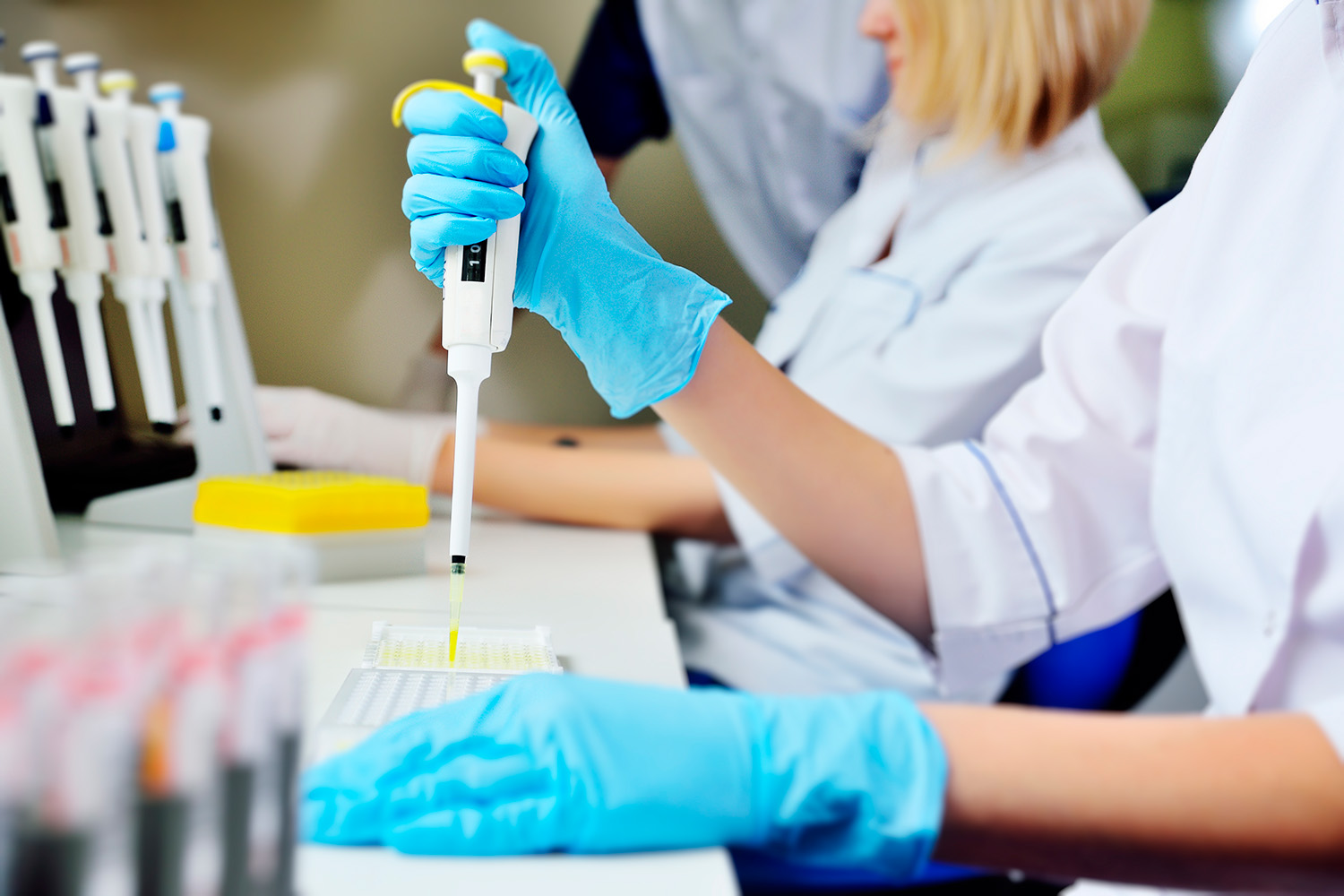
Startup develops a sensor that measures interactions between molecules with high precision, which can reduce the time and costs of discovering drug candidates.
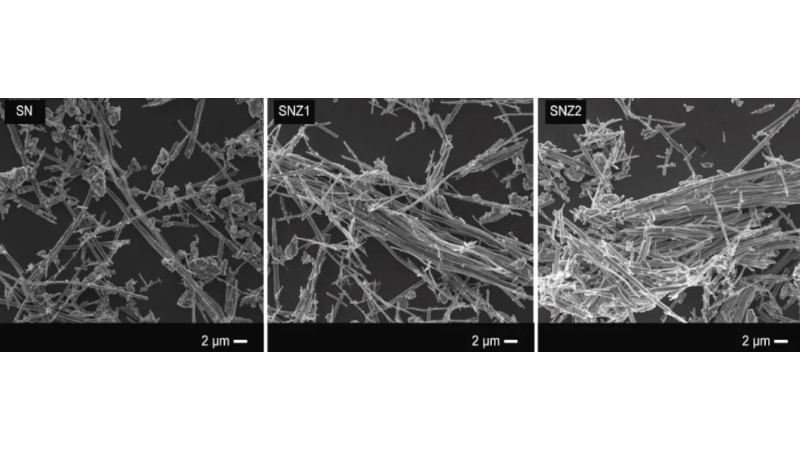
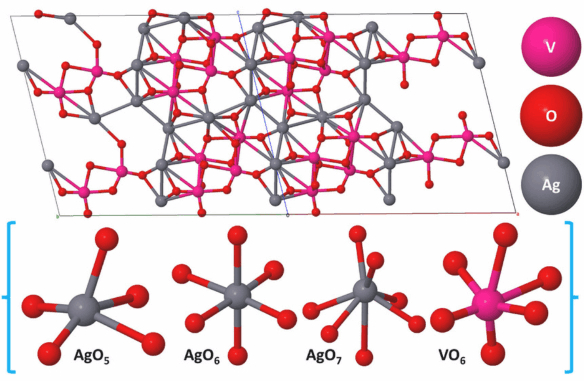
Work by researchers at a FAPESP-supported research center may open promising avenues for applications in photocatalysis, optoelectronics, and photonics.
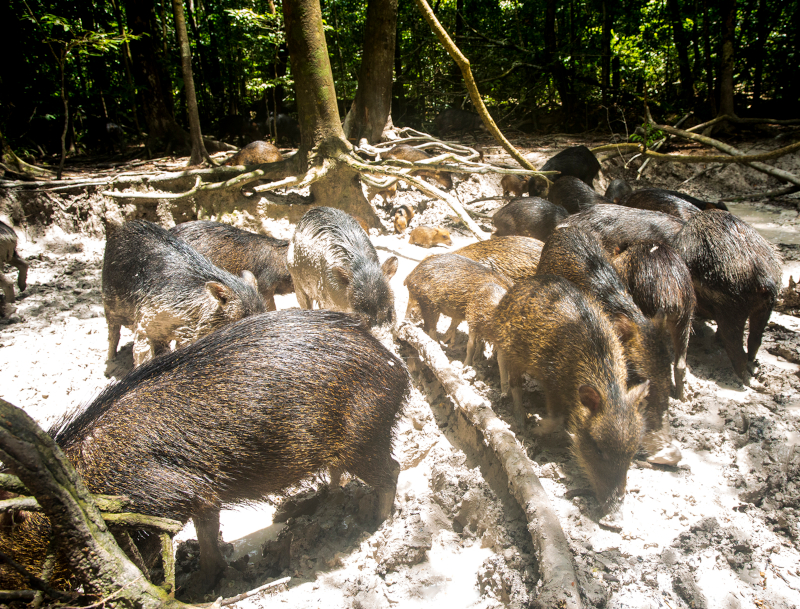
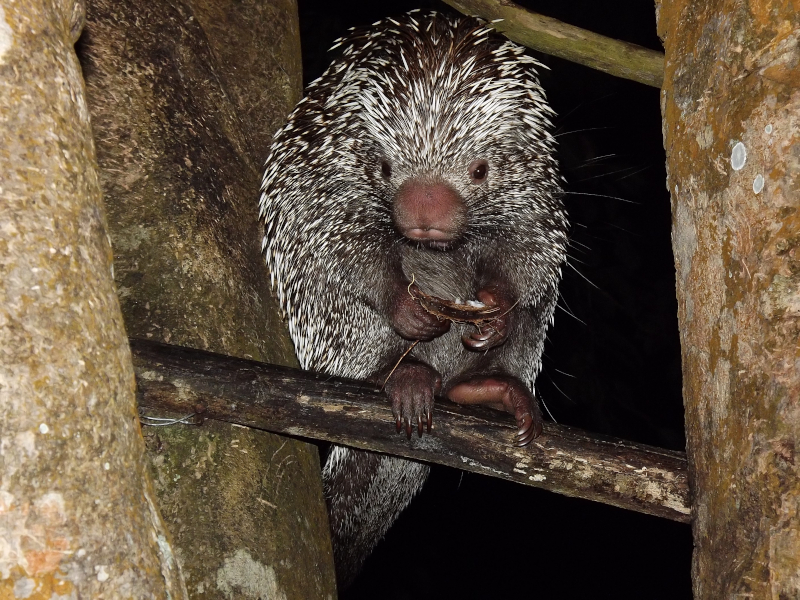
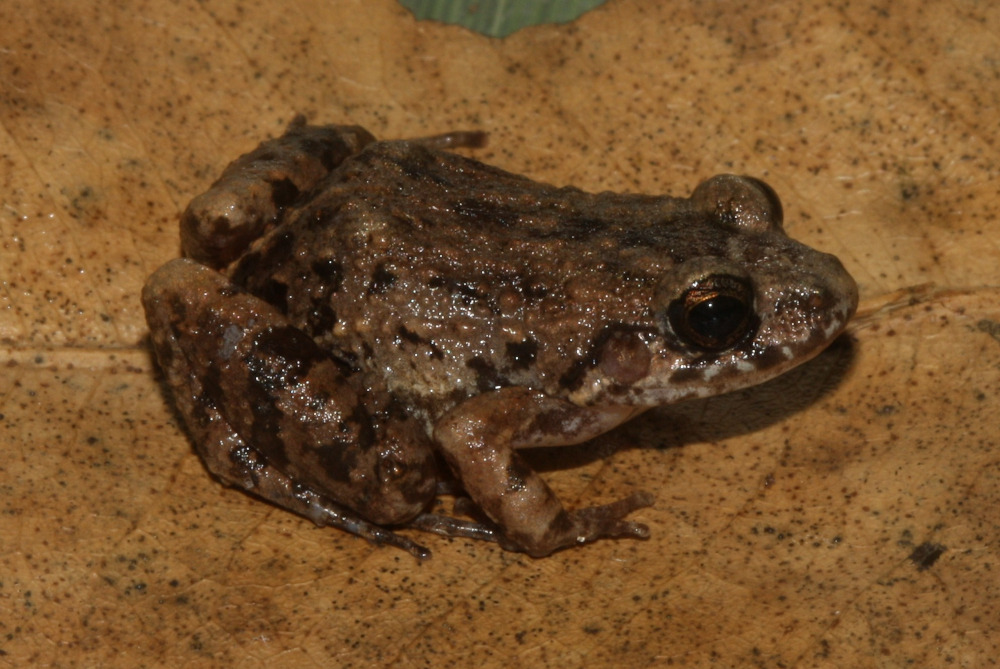
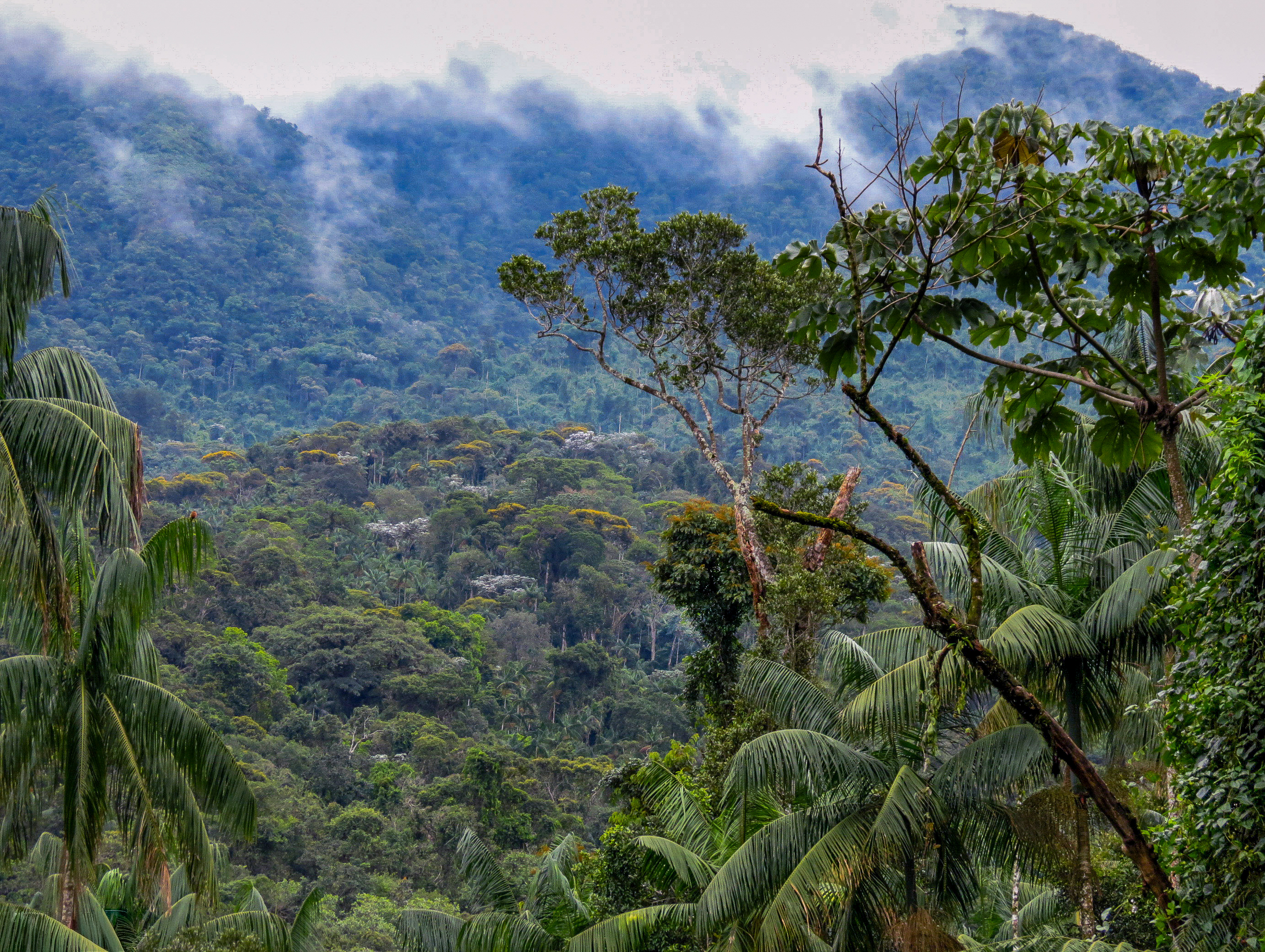
Study reveals that tapirs, peccaries, agoutis, and deer act as true ecosystem engineers by reducing soil acidity, increasing diversity, and accelerating the decomposition of organic matter in the forest.
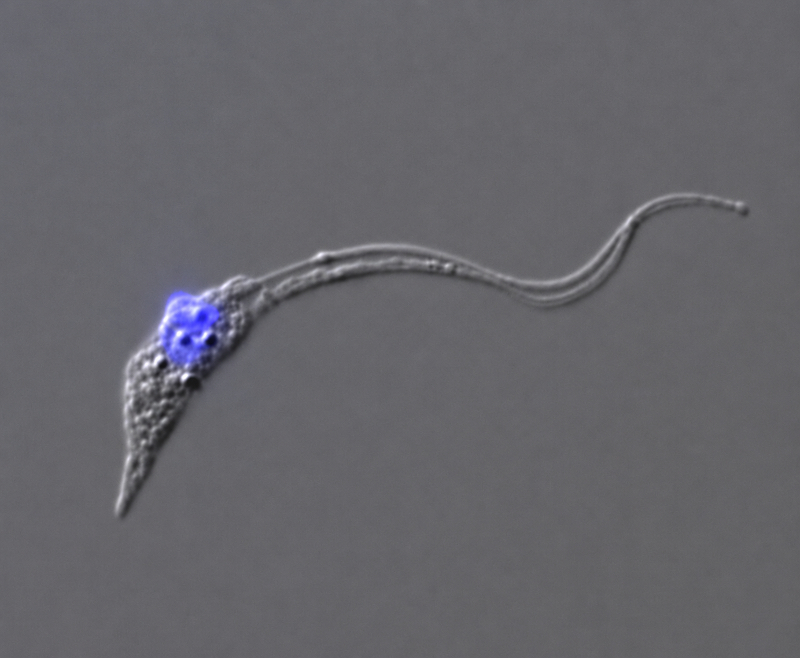
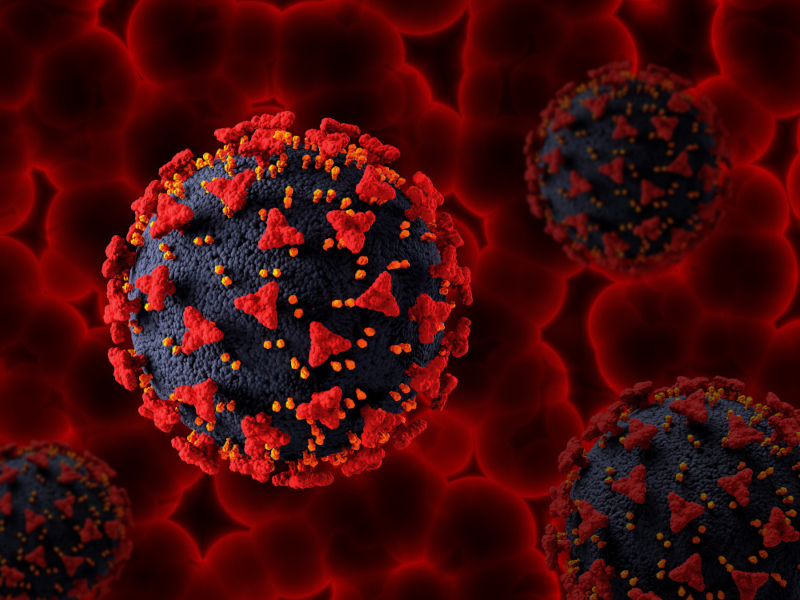
Understanding how Trypanosoma cruzi manipulates its own RNA to alter protein production and invade the host could lead to new therapeutic approaches against the disease.
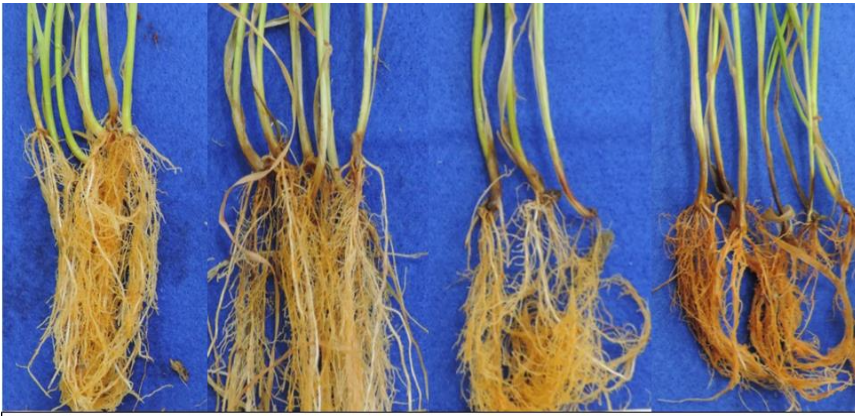
When inoculated into the soil, bacterial species altered the microbiome and protected plants from a fungus that causes root rot, reducing disease symptoms by up to 60%.
Research conducted on mice provides experimental evidence that exposure to PM2.5, a main component of urban air pollution, increases oxidative stress, intensifies inflammatory responses, and worsens the destruction of periodontal tissues.
A topical formulation brings together natural antioxidant and the genetic silencing of an enzyme that degrades cutaneous tissue. In laboratory tests, the treatment promoted full cell regeneration in just 72 hours.
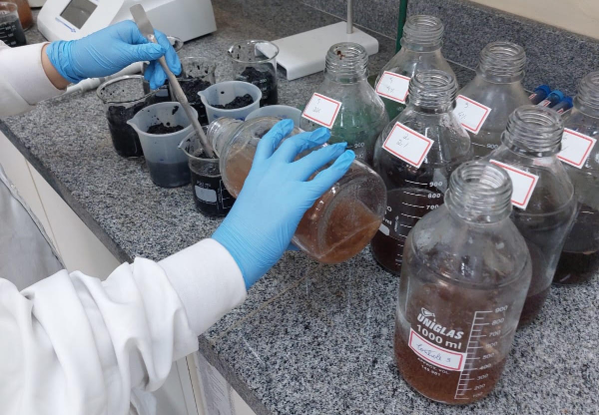
Study conducted at São Paulo State University shows that minimal use of reagent in biomass pretreatment elevates methane production, makes industrial operation cheaper and reduces environmental impact.
The documentary was produced by a research center supported by FAPESP and the Movement for the Defense of Favelas and is based on the memories of residents.
Researchers evaluated 21 language models, such as GPT and Gemini, and found that they all alter their discourse to align with the user’s bias, potentially functioning as echo chambers.
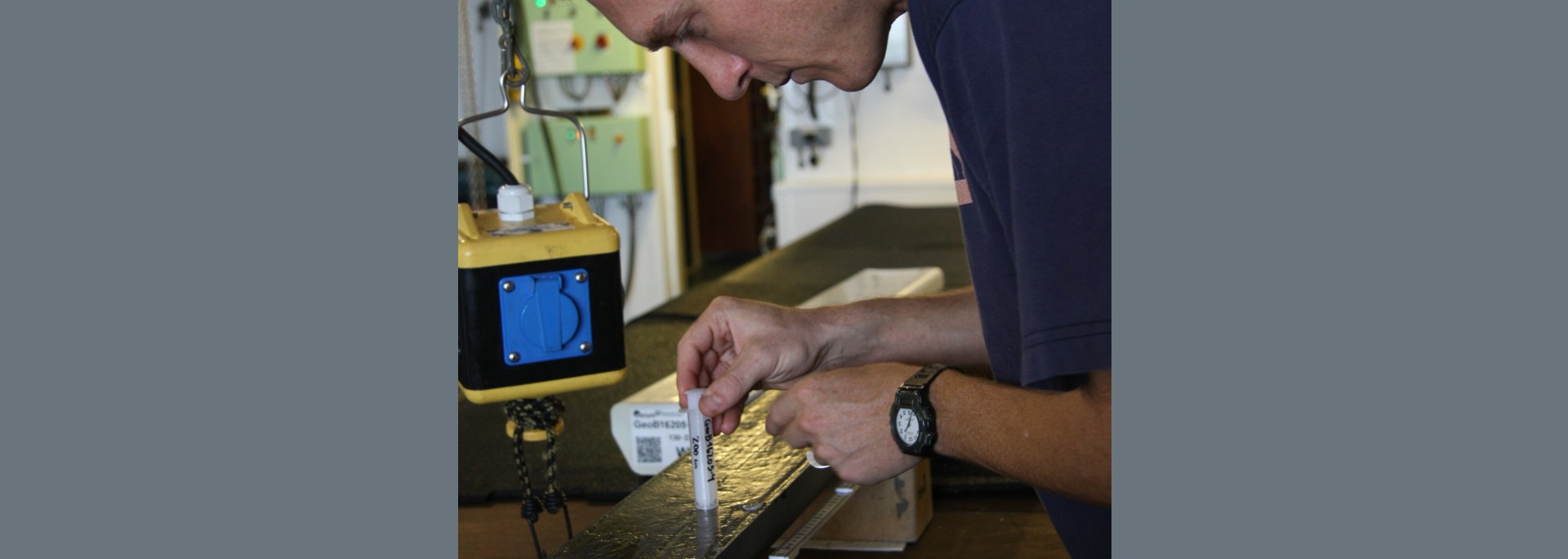
Research shows that the AMOC, a system fundamental to the Earth’s climate, has undergone sudden changes in the past, driven by climate shifts similar to those we are experiencing now.
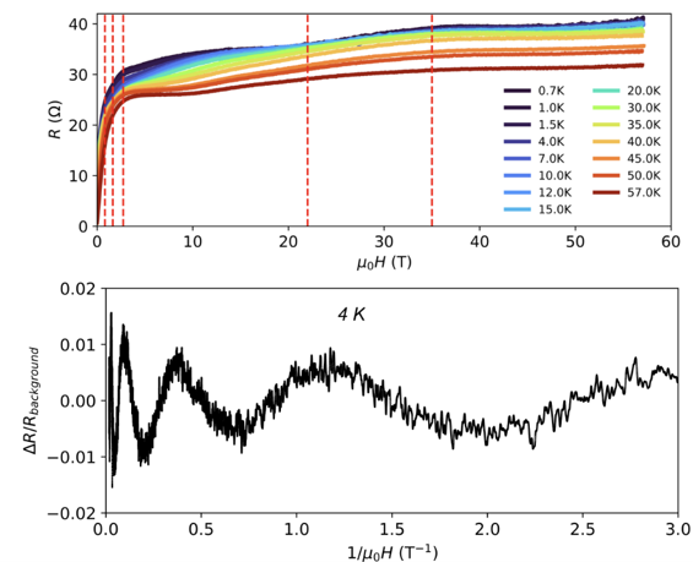
Experimental and theoretical study shows that, under extreme magnetic fields, electrons in zirconium pentatelluride exhibit unconventional behavior indicating a topological origin rather than many-body interactions.
This is the conclusion of an international study involving more than 58,000 young people from 21 countries. In Brazil, approximately 1,900 adolescents between the ages of 13 and 17 were interviewed.
Led by a Brazilian researcher, a study published in Nature shows that molecules with nearly identical three-dimensional structures can exhibit completely different behaviors over time.
Research conducted in 34 countries compared six practices designed to foster gratitude with three control measures, observing variations in effects based on cultural differences.
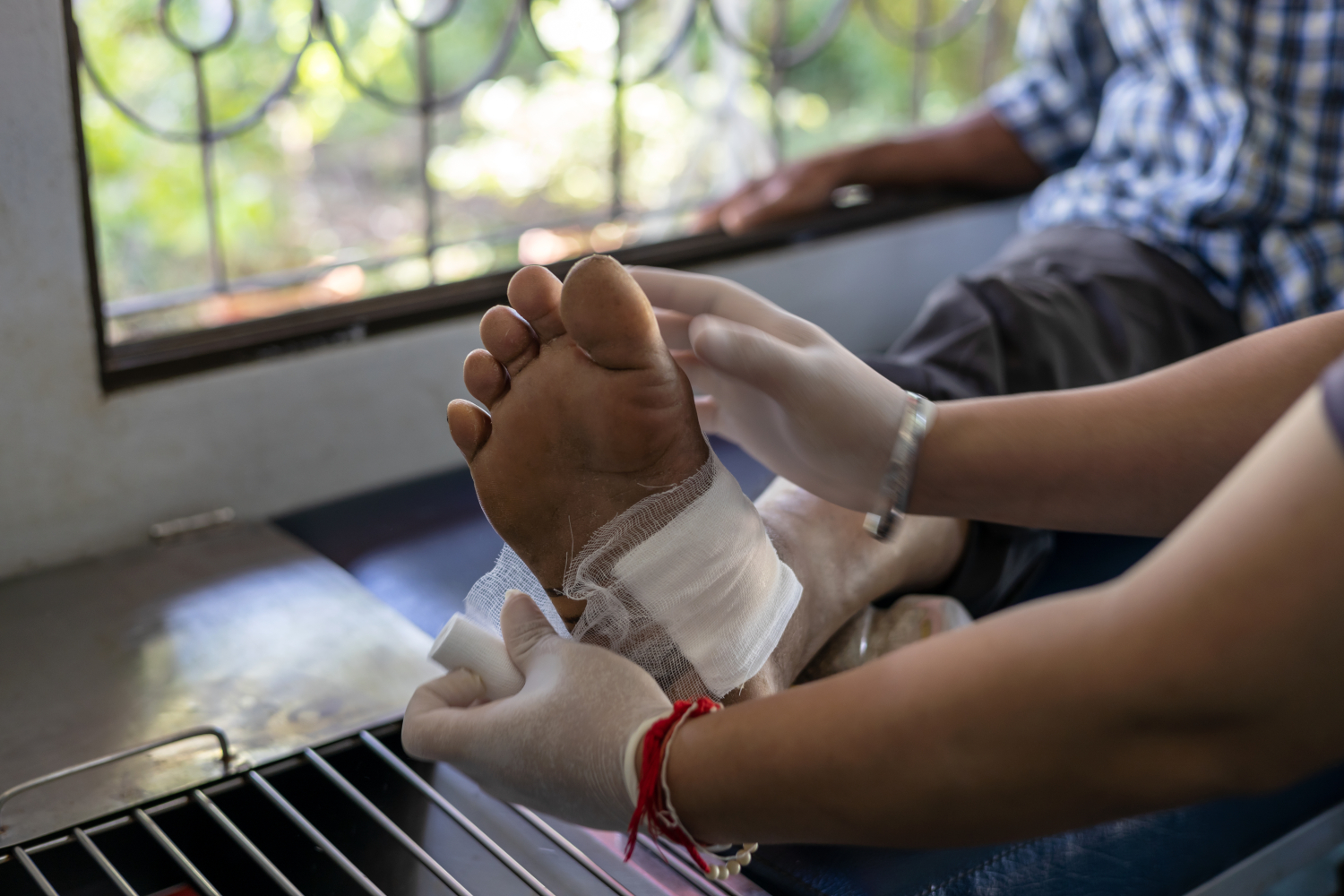
A case report published in the journal CA: A Cancer Journal for Clinicians shows how genetic analysis and molecular biology studies helped confirm the diagnosis, guide preventive surgeries, and define personalized surveillance strategies across generations.
Research involving residents of São Paulo (Brazil) suggests a bidirectional relationship between the two conditions and indicates the benefits of hormone therapy for improving sleep quality.
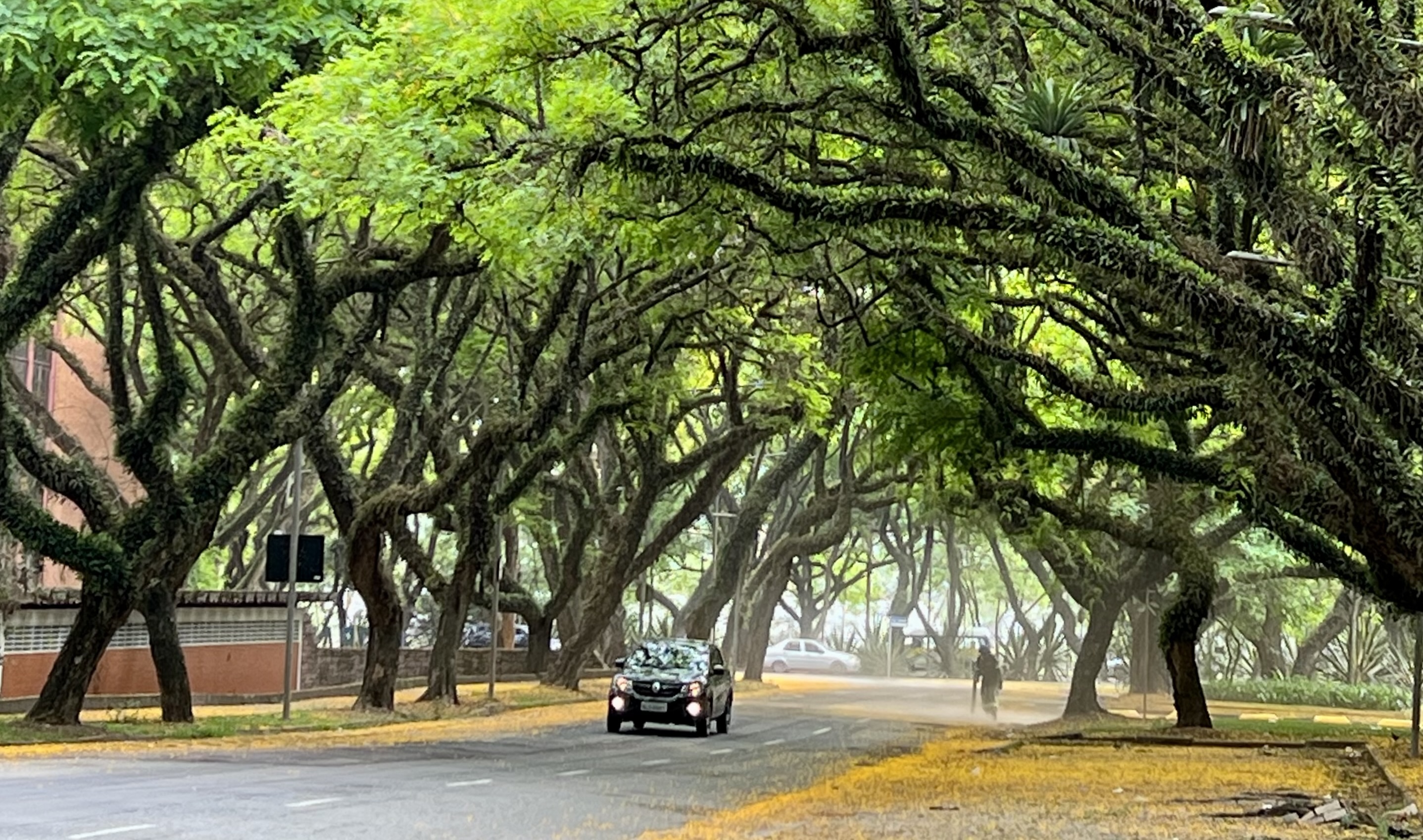
A team from the University of São Paulo has developed an algorithm for optimal pruning that makes trees less vulnerable to wind tunnels. The goal is to create an app to guide human work.
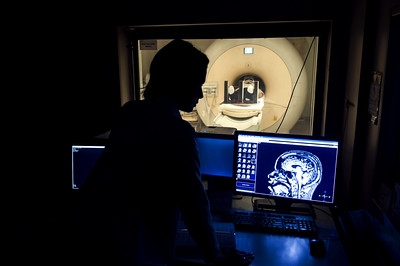
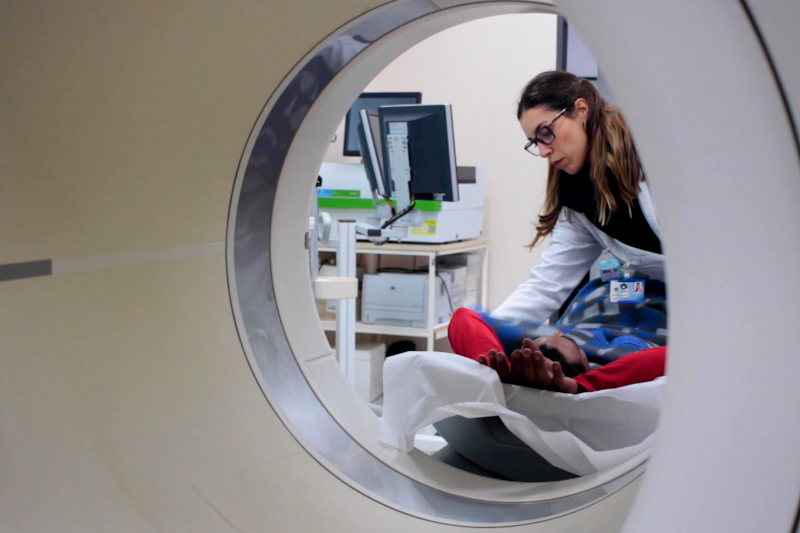
The agreement between the FAPESP Research, Innovation, and Dissemination Center and the Uruguayan Center for Molecular Imaging aims to boost the development and application of theranostic radiopharmaceuticals.
In a study conducted on mice, high consumption of condensed milk induced a fast inflammatory response in abdominal adipose cells that extended to the lungs.
A study combining remote sensing, geographic data science, and field research shows that the Xavante territory has preserved its environmental configuration, while neighboring areas have been converted to large-scale soybean farming and livestock ranching.
Stone studied at the Sirius particle accelerator reinforces the hypothesis that the mineral goethite can transport water from the planet’s surface to rocks in the lower mantle.
Columnaris disease pathogens, which were previously only found in Asia and the United States, were identified in samples from São Paulo, Minas Gerais, and Paraná. This finding underscores the need for epidemiological surveillance and new vaccines.
Black, mixed-race, Asian, and Indigenous women with lower levels of education face greater difficulties. The study followed the same group for a decade.
The analysis identified the line between normal care regarding movement for those who have suffered an injury and excessive fear, which ultimately hinders rehabilitation.
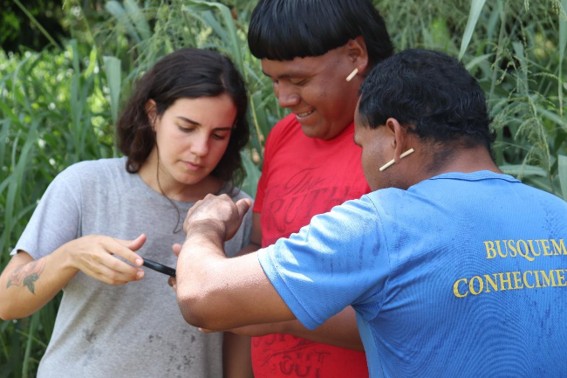
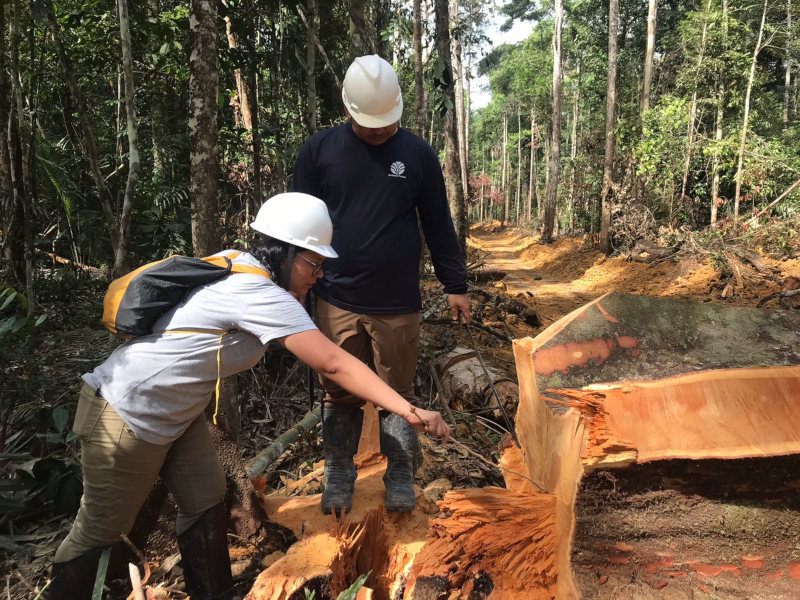
University of São Paulo researchers are mapping the distribution of different isotopes of oxygen, carbon and other elements in the composition of Amazon trees that can be used to track the origin of seized material.
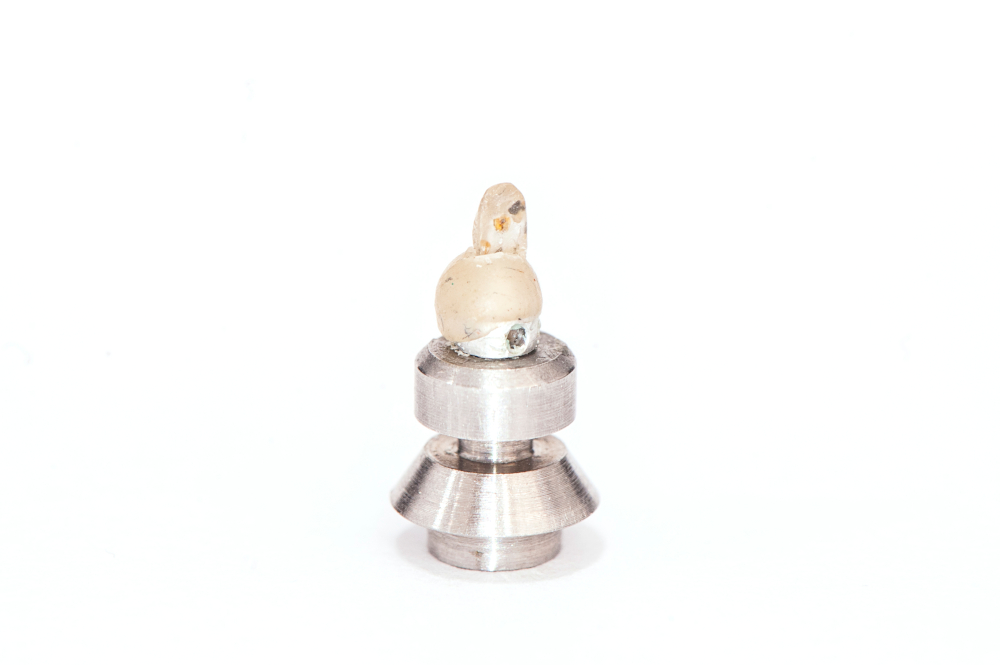
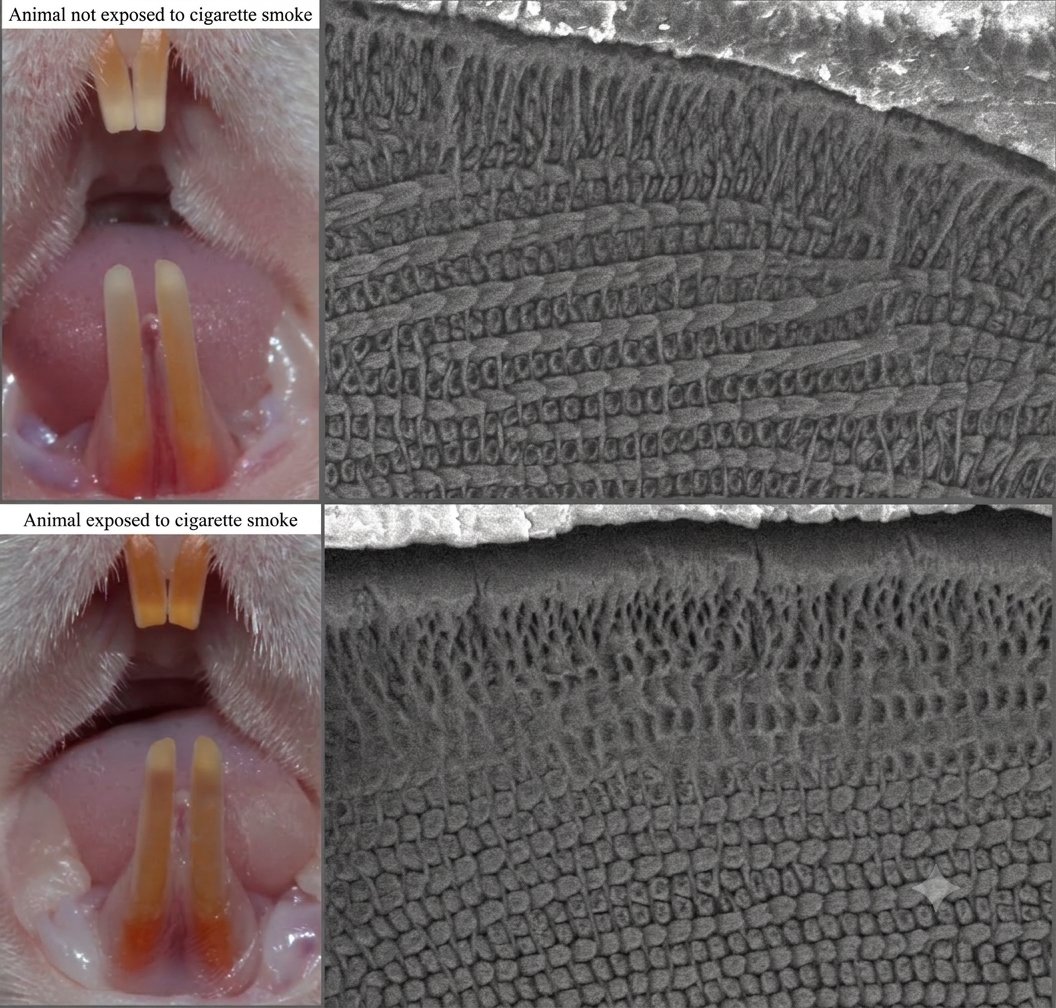
Researchers from the University of São Paulo found microscopic and chemical changes in the teeth of animals exposed to cigarette smoke during the first days of life.
Chlorinated organophosphorus esters, used as flame retardants, can cause toxic effects on the endocrine and reproductive systems and possibly lead to cancer.
A study by the State University of Campinas using mice reveals that strength training modulates the liver’s genome, restoring insulin sensitivity and combating fat accumulation in the organ.
Researchers and divers at the Alcatrazes Archipelago Wildlife Refuge have recorded evidence that sand tiger sharks use the site not only for mating, but also for gestation.
Created by FAPESP, the State University of Campinas, and Samsung, Viva Bem will develop algorithms and AI technologies embedded in these devices to detect signs of Parkinson’s disease and other conditions even before symptoms appear.
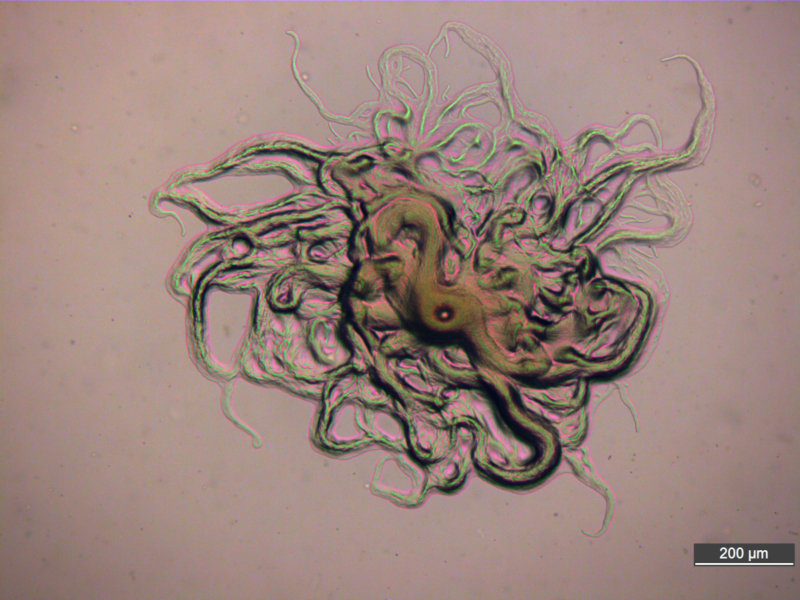
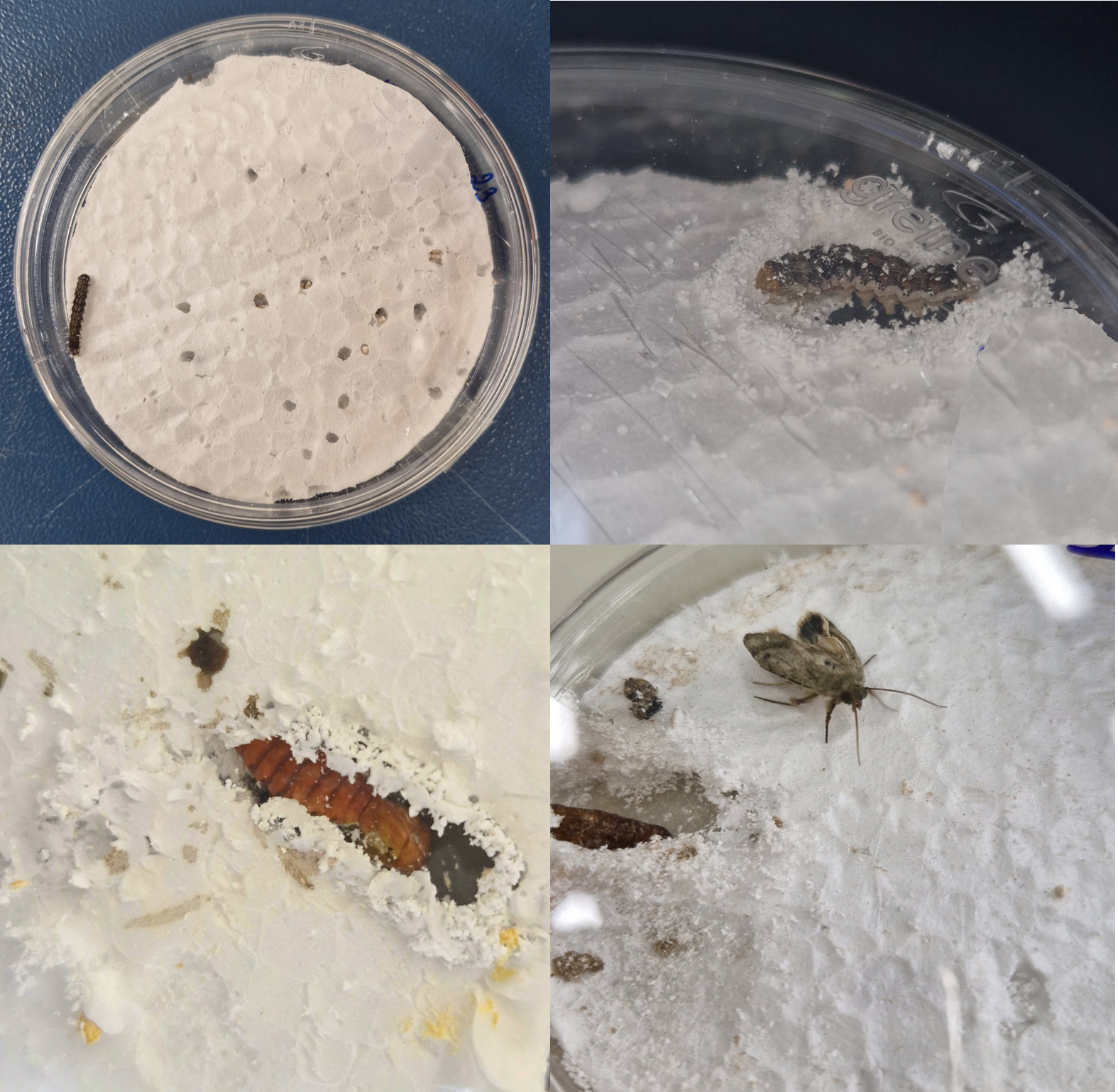
A study by the Federal University of São Carlos shows that Helicoverpa armigera has the potential to serve as a reservoir for microorganisms that degrade polystyrene.
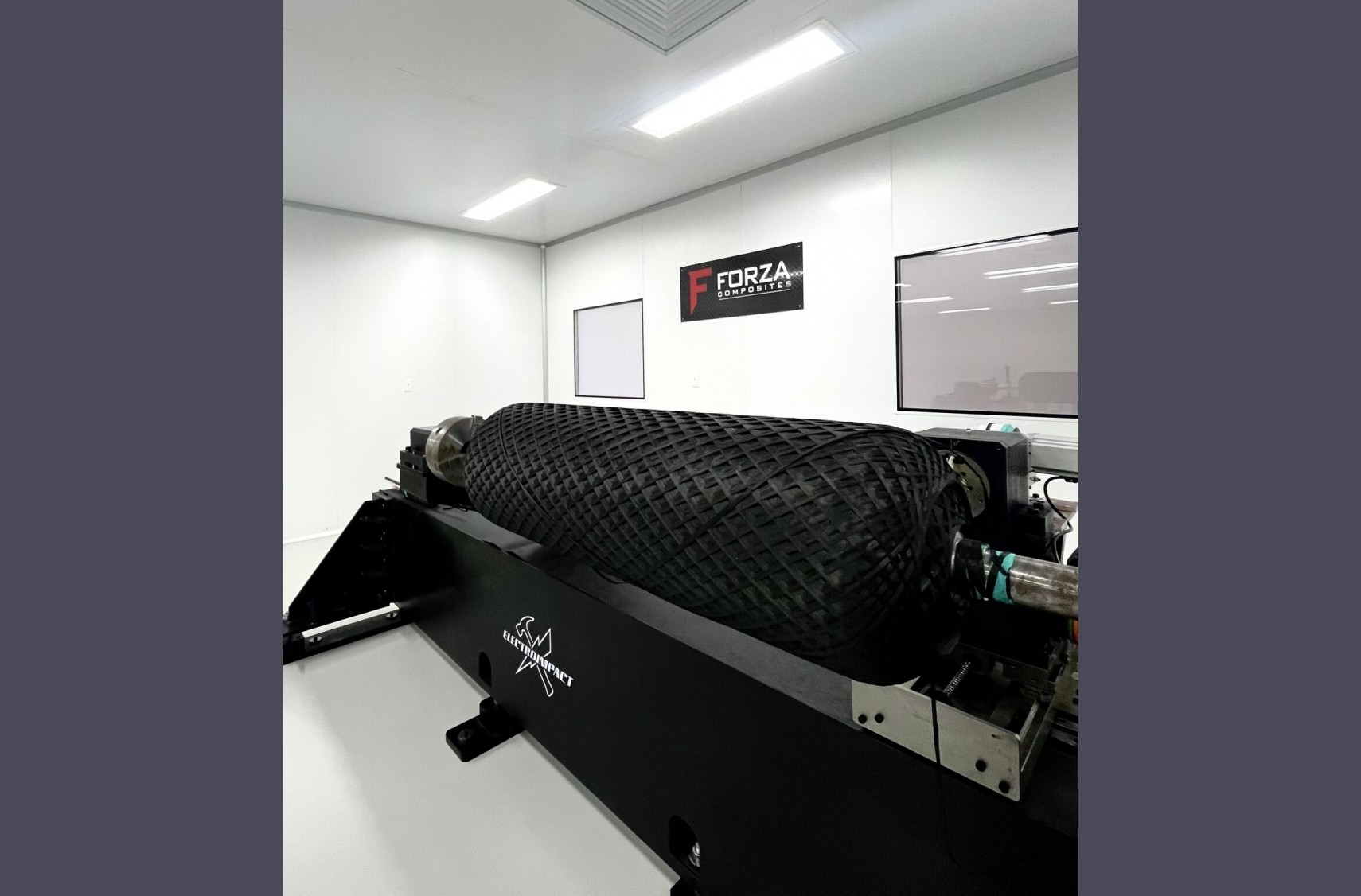
With support from FAPESP, a São Paulo-based company is developing its own technology to manufacture a coating in Brazil that will make gas storage tanks, such as those for hydrogen, up to 70% lighter, thereby reducing transportation weight.
The free publication was developed with the participation of the Center for Research and Innovation in Mental Health (CISM), one of the Applied Research Centers funded by FAPESP.