




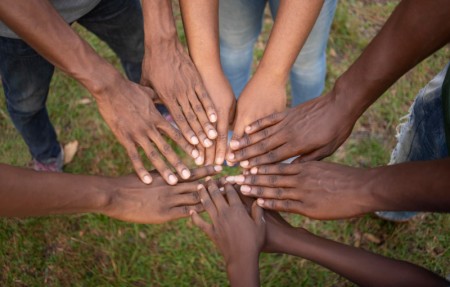
The African continent is underrepresented in genome databases. In addition to enabling the inclusion of African populations in precision medicine initiatives, which use genetic information for treatments, the sequences obtained in Angola may be important for understanding Brazilian genetic diversity ( image: Magnific)
In partnership with Angolan researchers, a professor from the State University of Campinas will lead the sequencing of 750 DNA samples from Angola. The data will contribute to the development of precision medicine.
In partnership with Angolan researchers, a professor from the State University of Campinas will lead the sequencing of 750 DNA samples from Angola. The data will contribute to the development of precision medicine.
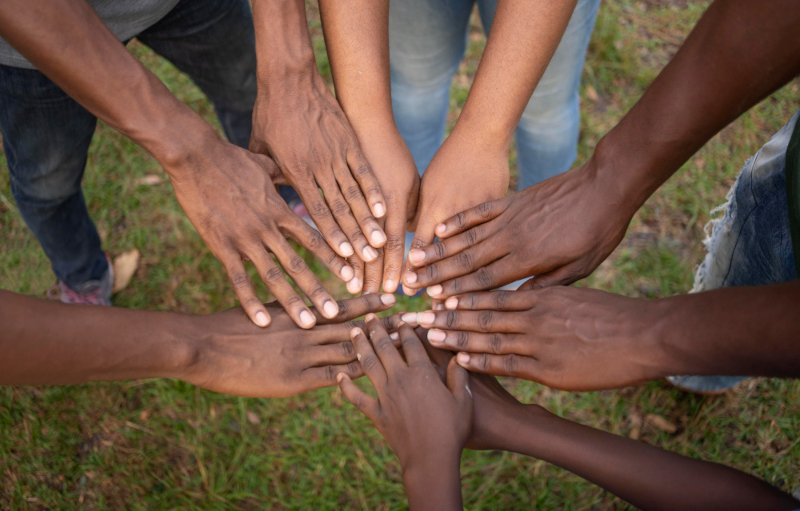
The African continent is underrepresented in genome databases. In addition to enabling the inclusion of African populations in precision medicine initiatives, which use genetic information for treatments, the sequences obtained in Angola may be important for understanding Brazilian genetic diversity ( image: Magnific)
By André Julião | Agência FAPESP – The African continent is home to more than 2,000 ethnolinguistic groups and is the birthplace of the human species. However, it is severely underrepresented in genome databases. This information is essential for studying diseases that affect certain ethnic groups more than others and for tailoring treatments.
To address this knowledge gap regarding the genetics of the world’s most diverse continent, a group led by African researchers is collecting samples and sequencing the genomes of populations in eight African countries. In addition to South Africa, which is coordinating part of the project, nine other African countries are participating, along with partners from around the world.
The challenges and the next steps of the project, named AGenDA (Assessing Genetic Diversity in Africa), are described in an article published in the journal Nature.
In Brazil, the group led by Professor Iscia Lopes-Cendes of the Faculty of Medical Sciences at the State University of Campinas (FCM-UNICAMP) will sequence 750 DNA samples collected in Angola.
Maria Madalena Chimpolo, from the Angolan universities Katyavala Bwila and Agostinho Neto, led the coordination of sample collection and DNA extraction in the African country. Another project participant and author of the paper is Nasser Calumbuana, a physician and professor at the latter institution.
“AGenDA is a continuation of Human Heredity and Health in Africa [H3Africa], which began about a decade ago and succeeded in being the first genetic diversity project to attempt to unite an entire continent. However, some regions remain underrepresented. The goal now is to sample some populations that were left out of the first initiative,” explains the UNICAMP professor, the only Brazilian co-author of the article.
Lopes-Cendes is one of the principal investigators at the Brazilian Institute of Neuroscience and Neurotechnology (BRAINN), a Research, Innovation, and Dissemination Center (RIDC) funded by FAPESP and based at UNICAMP.
Nkembi Matilde Miguel Ferraz, an Angolan researcher pursuing a Ph.D. under Lopes-Cendes’s supervision with a scholarship from the Coordination for the Improvement of Higher Education Personnel (CAPES) and a co-author of the article, is also involved in the project. Thais Crippa de Oliveira, who completed a postdoctoral fellowship under the researcher’s supervision with funding from FAPESP, is also part of the project.
In addition to enabling the inclusion of African populations in precision medicine initiatives, which use genetic information for treatments, the sequences obtained in Angola may be important for understanding Brazilian genetic diversity.
According to Geledés – Black Women’s Institute, a civil society organization dedicated to combating racism and sexism, the so-called Angola Route accounted for about 40% of the 10 million Africans brought to the Americas. In Brazil, ships departing from the coast of what are now the territories of Congo and Angola were mainly bound for the ports of Recife, Salvador, and Rio de Janeiro.
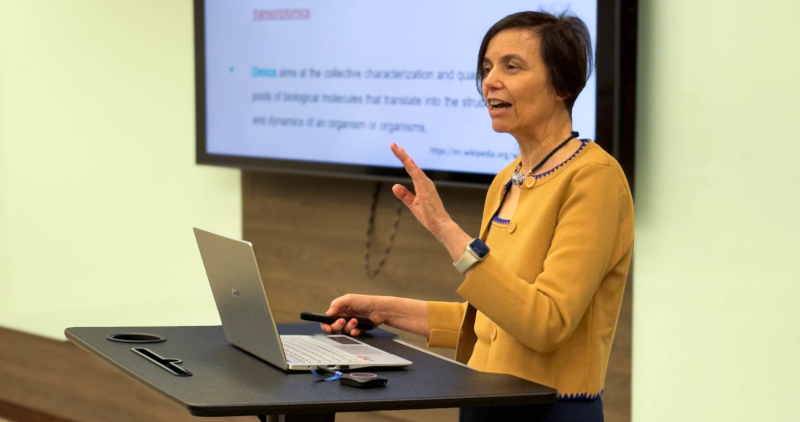
“A very positive aspect is that African researchers are leading the entire process. Furthermore, the data will be stored on the continent,” says Lopes-Cendes from UNICAMP (photo: personal archive)
New horizons
H3Africa led to the sequencing of 432 genomes from individuals belonging to 50 ethnolinguistic groups across 13 countries. In a 2020 paper published in the journal Nature, the authors emphasized the continent’s extensive genetic variability, both geographically and by self-declared ethnicity.
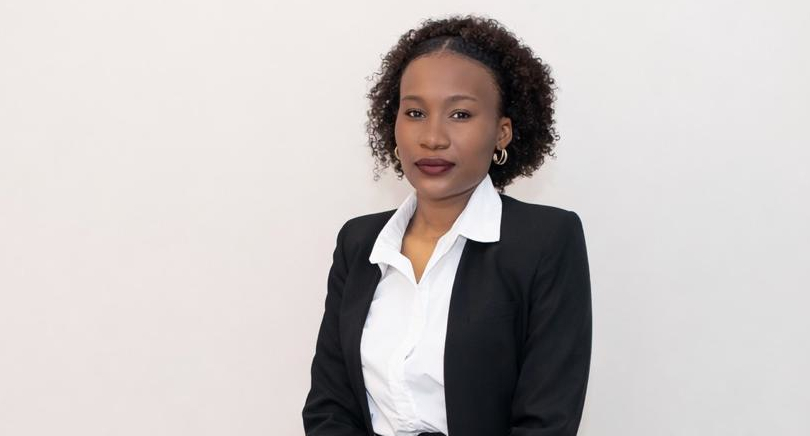
Nkembi Matilde Miguel Ferraz, an Angolan scientist pursuing her Ph.D. under the supervision of Lopes-Cendes, is also an author of the article published in Nature (photo: personal archive)
Although the number of samples was modest by current standards, more than three million new genetic variants were identified. Most of the samples came from the Niger-Congo region, which is the most populous and sampled ethnic group on the continent. However, the majority of the continent’s 2,000 ethnolinguistic groups remain unsampled.
For this reason, the current effort aims to account for populations overlooked in the last major survey. These populations include speakers of Afro-Asiatic languages, hunter-gatherers in southern Africa, foragers in Central Africa, and populations in North Africa and the Indian Ocean islands. These groups are found in one or more of the following eight countries: Angola, the Democratic Republic of the Congo, Mauritius, Kenya, Libya, Rwanda, Tunisia, and Zimbabwe.
“A very positive aspect is that African researchers are leading the entire process. Furthermore, the data will be stored on the continent, and even samples sequenced off the continent – whether used or not – will be returned later,” says Lopes-Cendes, who will send all used materials back to Angola, where she helped establish a research infrastructure.
“We hope that our collaboration will serve as a model to encourage further research in this field and help build up African funding agencies and research institutions, many of which still lack resources,” the researcher concludes.
The article “Enriching African genome representation through the AGenDA Project” can be read at nature.com/articles/s41586-025-09935-7.
The Agency FAPESP licenses news via Creative Commons (CC-BY-NC-ND) so that they can be republished free of charge and in a simple way by other digital or printed vehicles. Agência FAPESP must be credited as the source of the content being republished and the name of the reporter (if any) must be attributed. Using the HMTL button below allows compliance with these rules, detailed in Digital Republishing Policy FAPESP.
