





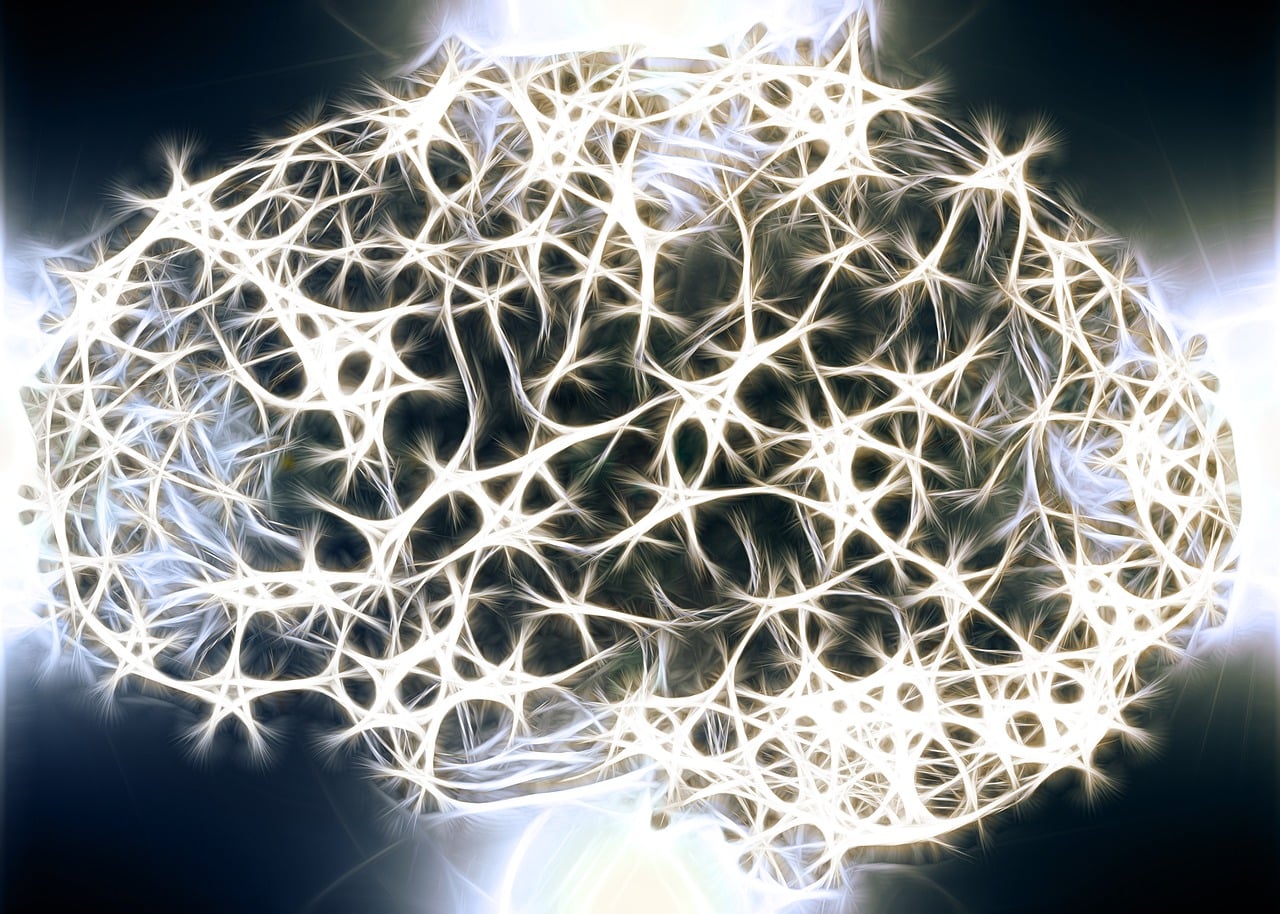
By Maria Fernanda Ziegler | Agência FAPESP – After the storm comes the calm. But contrary to the famous proverb, the brain’s neurons enter a period of calm before the neuronal storm that is an epileptic seizure. An international team of researchers has demonstrated that this silencing of neurons can serve as a marker capable of predicting and preventing seizures even before they occur.
“That silencing of neurons had already been observed in other studies, but we were able to confirm it in both patients and computational models. Based on that, we were able to understand how the slow dynamics of potassium channels [one of the mechanisms responsible for regulating neuronal activity] are linked to heightened neuronal synchronization and to describe the electrical activity of neurons before and during seizures. That allowed us to explain how the neural pattern forms and also to propose its use as a reliable biomarker for predicting seizures,” explains Fernando da Silva Borges, a collaborating researcher at the Federal University of ABC (UFABC) in the state of São Paulo, Brazil, and author of the study published in the journal Scientific Reports.
In tests conducted using computer simulations, the use of neuronal silence as a biomarker for anticonvulsant interventions reduced seizure duration by up to 93%. This offers a promising path for personalized neuromodulation therapies in the future.
The study is the result of an international collaboration between researchers from the State University of Ponta Grossa (UEPG), the University of São Paulo (USP), and UFABC in Brazil, and the State University of New York in the United States. The study was supported by FAPESP, the National Council for Scientific and Technological Development (CNPq), and the National Institutes of Health (NIH) in the United States.
Refractory epilepsy
Epilepsy is a neurological disorder involving abnormal and excessive electrical discharges in the brain. These discharges can cause seizures and impair cognitive and physical functions. It is estimated that approximately 52 million people worldwide have the condition, and despite various treatment options, between 30% and 40% of patients do not respond to medication (refractory epilepsy).
For these patients, a technique known as brain stimulation is one of the alternatives used. This technique aims to modulate the electrical impulses of neurons without medication by using electrodes implanted in the head or afferent nerves.
Following the discovery that neuronal silence precedes seizures, the researchers are working to combine a specific type of device with an existing treatment into a single strategy. This will enable them to predict and intervene before a “neuronal storm” occurs.
“Neuronal silence precedes an epileptic seizure by 40 to 160 milliseconds. It’s a short time, but long enough to intervene automatically by triggering an electrical stimulus before the seizure begins,” Borges explains to Agência FAPESP.
The researcher notes that devices that continuously monitor other signs of a seizure, such as vagus nerve stimulators or feedback systems, are already available on the market. “However, these devices can only detect an epileptic seizure once it’s already begun. That’s why the idea is to use this type of device to detect the new biomarker and combine it with neuromodulation therapy, which sends signals to a nerve that stimulates the brain before the seizure occurs,” he says.
Through a minimally invasive procedure, the device would “awaken” the silent neurons, preventing the slow potassium current from dropping to very low levels and consequently preventing the electrical storm from forming. The electrical stimulus would target just 1% of the brain’s excitatory neurons – enough to effectively shorten seizure duration.
“The device would therefore intervene preventively and automatically, using electricity to interrupt the biological process that leads to a seizure before it occurs. That’s a major advance, as we know that seizures can trigger various complications. Preventing them is extremely beneficial for these individuals’ health and quality of life,” says Borges.
The article “Neuronal silence as a predictive biomarker and target for the suppression of epileptic seizures” can be read at www.nature.com/articles/s41598-026-44063-w.
Republish
The Agency FAPESP licenses news via Creative Commons (CC-BY-NC-ND) so that they can be republished free of charge and in a simple way by other digital or printed vehicles. Agência FAPESP must be credited as the source of the content being republished and the name of the reporter (if any) must be attributed. Using the HMTL button below allows compliance with these rules, detailed in Digital Republishing Policy FAPESP.
