




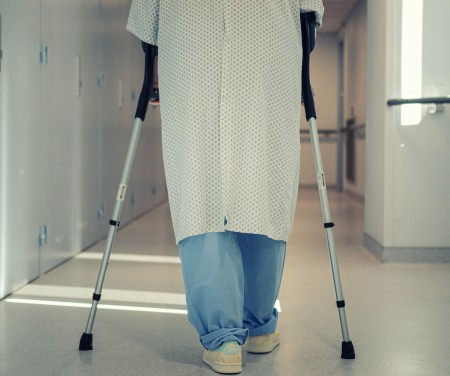
The combination of altered metabolism due to diabetes and prolonged hospitalization creates a cycle of muscle mass loss and vulnerability that hinders a return to daily independence, says the last author of the study (photo: Stéf -b/Pexels)
In a study by the University of São Paulo involving 870 participants, people with diabetes took longer to recover from the virus and experienced more severe cardiac complications, as well as greater physical and cognitive difficulties.
In a study by the University of São Paulo involving 870 participants, people with diabetes took longer to recover from the virus and experienced more severe cardiac complications, as well as greater physical and cognitive difficulties.
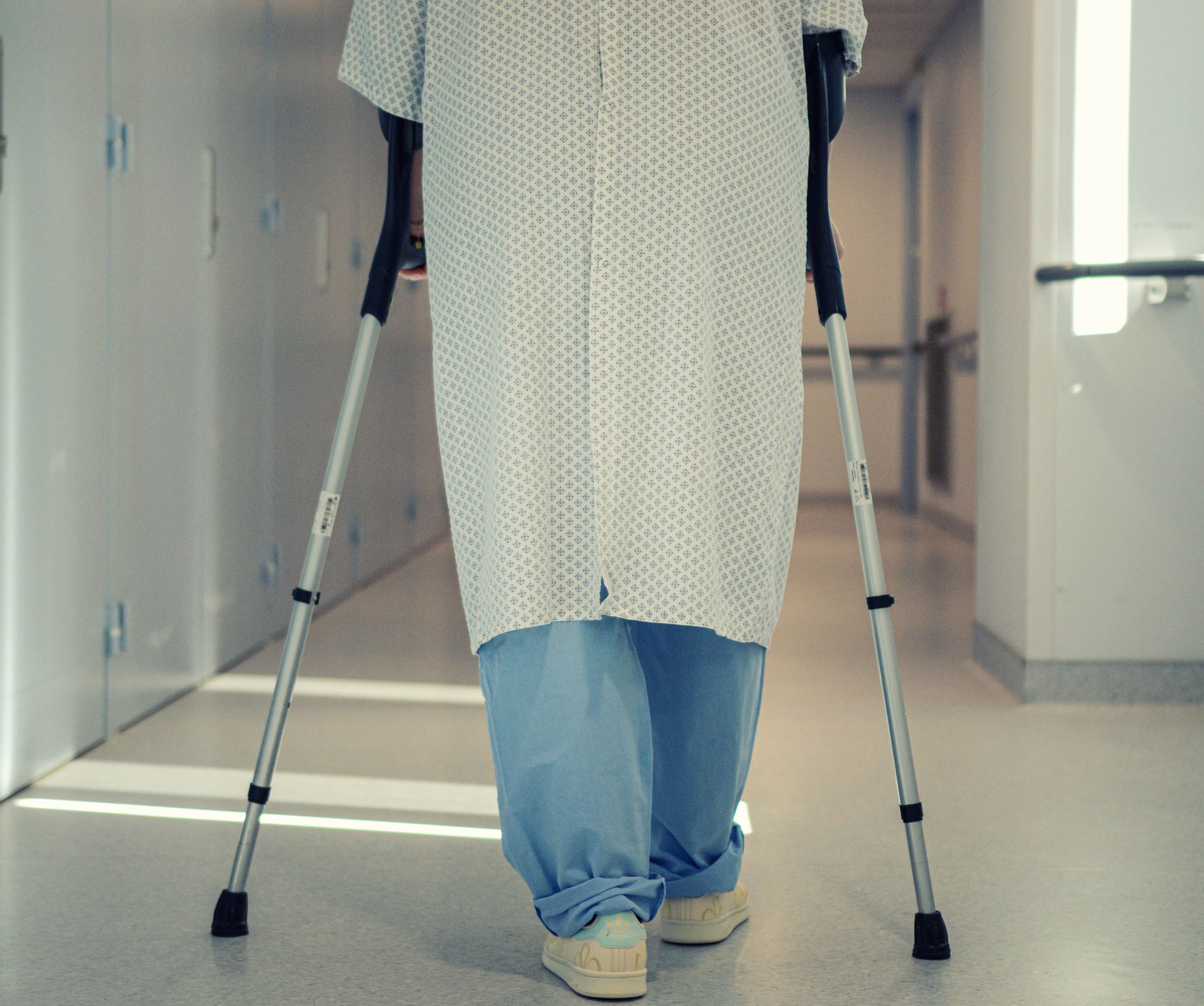
The combination of altered metabolism due to diabetes and prolonged hospitalization creates a cycle of muscle mass loss and vulnerability that hinders a return to daily independence, says the last author of the study (photo: Stéf -b/Pexels)
By Maria Fernanda Ziegler | Agência FAPESP – People with diabetes who have had COVID-19 tend to recover more slowly, experience more long COVID complications, have a poorer quality of life, and require closer and more prolonged monitoring by medical teams. This was demonstrated in a study by the University of São Paulo, which involved 870 individuals followed for up to seven months after hospitalization. The study was published in the journal Scientific Reports.
“Diabetes isn’t only a risk factor for the acute phase of COVID-19. It’s also been shown to prolong recovery time and impair quality of life in the long term. The study makes it abundantly clear that a healthcare framework is needed for this population with diabetes who have been infected with the COVID-19 virus to prevent these survivors from becoming trapped in a cycle of readmissions,” says Maria Elizabeth Rossi da Silva, one of the authors of the study. Silva is the head of the Diabetes Unit at Hospital das Clínicas (HC), a hospital complex administered by the University of São Paulo Medical School (FM-USP) in Brazil.
The study found that people with diabetes took longer to recover from the virus and were at a higher risk of cardiovascular complications, such as heart attacks and angina, than non-diabetics. Seven months after discharge, the diabetic group showed elevated frailty levels, a higher incidence of falls, and poorer quality of life. They experienced mobility difficulties, an inability to perform daily activities, and lower performance in physical and cognitive domains.
The study compared 320 patients with diabetes mellitus and 550 patients without the disease. It is part of a larger study supported by FAPESP that recruited more than 3,000 individuals admitted to HC between March and September of 2020. This period corresponded to the first phase of the pandemic in Brazil when vaccines were not yet available.
Approximately seven months after being discharged from the hospital, the participants underwent a comprehensive in-person evaluation, which included a physical examination and laboratory tests.
According to the results of the study, 94.3% of patients without diabetes reported full recovery, compared to 89.8% of patients with diabetes. “It’s a considerable difference,” says Silva.
The researcher explains that the cardiovascular system of people with diabetes comes under significant stress due to the virus. “The systemic inflammation caused by diabetes compounds the direct toxicity of the virus, creating a scenario in which the heart becomes one of the main targets for serious complications. And the risk increases with the number of comorbidities the patient has,” she states.
The repercussions of this cascade effect are far-reaching. Among patients with diabetes, the virus severely compromised mobility. Twenty-one percent of these patients reported falls after discharge, nearly double the rate observed in patients without diabetes (11.1%).
“This combination of altered metabolism and prolonged hospital stay – which was longer among those with diabetes [16 days versus 13] – creates a cycle of muscle mass loss and vulnerability that hinders a return to daily autonomy,” she tells Agência FAPESP.
For Silva, understanding these metabolic peculiarities and the socioeconomic challenges of diabetes is essential in clinical care. “The chronic inflammatory state associated with diabetes and obesity, combined with the accelerated progression of cardiac and functional damage, makes this group more susceptible to serious complications. Furthermore, the virus can directly affect pancreatic cells or trigger insulin resistance, worsening the condition,” she explains.
She also emphasizes that social inequalities influence disease outcomes. These inequalities include limited access to medical care, stress, unhealthy diets, and lack of time for physical exercise. “Health policies must consider these factors, offering specific follow-up care for patients with diabetes in the post-COVID period,” she says.
Another significant finding was that 7.3% of participants without diabetes developed the disease after a COVID-19 infection. However, the researcher believes that while the direct role of the virus in destroying pancreatic cells cannot be ruled out, it is more likely that the infection revealed pre-existing cases or that the severe inflammatory response triggered the disease in people who were already predisposed.
“We must interpret this information with caution because, although the infection may catalyze the onset of diabetes, the pandemic itself and social isolation may also have influenced factors such as stress, poor diet, physical inactivity, and obesity, all of which can trigger diabetes,” she says.
The study of patients hospitalized at HC during the first phase of the pandemic is ongoing, and the researchers are analyzing data collected three years after infection. “It’s important to understand how COVID-19 impacts diabetes over time,” she says.
The article “Post-COVID-19 diabetes outcomes” can be read at www.nature.com/articles/s41598-026-42284-7.
The Agency FAPESP licenses news via Creative Commons (CC-BY-NC-ND) so that they can be republished free of charge and in a simple way by other digital or printed vehicles. Agência FAPESP must be credited as the source of the content being republished and the name of the reporter (if any) must be attributed. Using the HMTL button below allows compliance with these rules, detailed in Digital Republishing Policy FAPESP.
