




The work details the protocol, analysis, and potential issues in studies using this animal model (image: Butantan Institute)
Publication from the Center for Toxins, Immune Response, and Cell Signaling serves as a guide for all tests that can be performed on the tropical freshwater fish, also known as zebra danios, in scientific research.
Publication from the Center for Toxins, Immune Response, and Cell Signaling serves as a guide for all tests that can be performed on the tropical freshwater fish, also known as zebra danios, in scientific research.
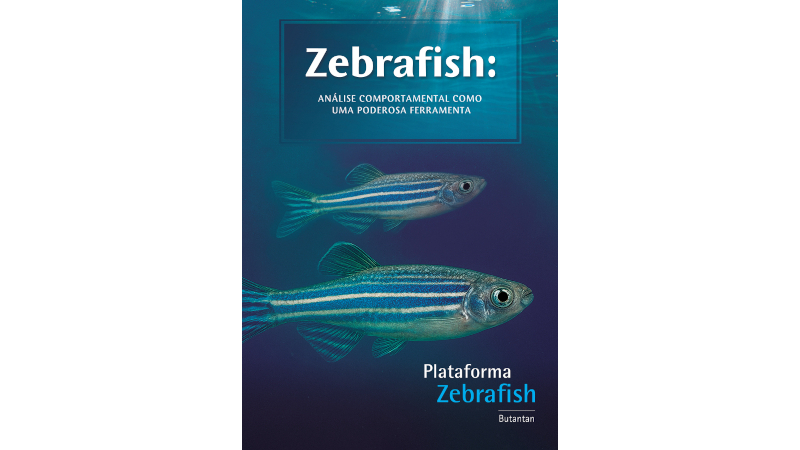
The work details the protocol, analysis, and potential issues in studies using this animal model (image: Butantan Institute)
Agência FAPESP – The Zebrafish Platform of the Center for Toxins, Immune Response, and Cell Signaling (CeTICS) has launched the book Zebrafish: Behavioral Analysis as a Powerful Tool.
Based at the Butantan Institute, CeTICS receives funding from FAPESP through the Research, Innovation, and Dissemination Centers program (RIDCs).
The publication is a guide to behavioral tests that can be performed on larvae and adult fish. It provides detailed, step-by-step descriptions of the tests, protocols, analyses, and potential issues in studies with zebrafish.
Zebrafish are frequently used in scientific research. They are tropical freshwater fish that are native to the streams of the southeastern Himalayas. They are also known as zebra danios and as paulistinhas in Brazil (a diminutive of the demonym for São Paulo state, since the fish’s black-and-white stripes resemble those of the state flag). The species is used in genetic research, drug development, and developmental biology analyses.
“Behavioral tests performed with zebrafish are an extremely important and increasingly used tool in scientific research, especially in the fields of neuroscience, pharmacology, and toxicology. Being able to evaluate the behavior of these small organisms, whether larvae or adults, provides valuable insights into brain functions, the effects of new drugs, and the dangers of toxic substances, with direct implications for human health,” Mônica Lopes Ferreira, a researcher at CeTICS, explained to Agência FAPESP. “The relevance of these tests is based on a combination of factors, ranging from the intrinsic advantages of zebrafish as an animal model to the wide range of behaviors that can be analyzed quickly and effectively.”
According to Ferreira, the target audience for the book is students and researchers working or planning to work with zebrafish as an experimental model.
The book is available in digital format and can be accessed free of charge on the Butantan Institute website.
The Agency FAPESP licenses news via Creative Commons (CC-BY-NC-ND) so that they can be republished free of charge and in a simple way by other digital or printed vehicles. Agência FAPESP must be credited as the source of the content being republished and the name of the reporter (if any) must be attributed. Using the HMTL button below allows compliance with these rules, detailed in Digital Republishing Policy FAPESP.
