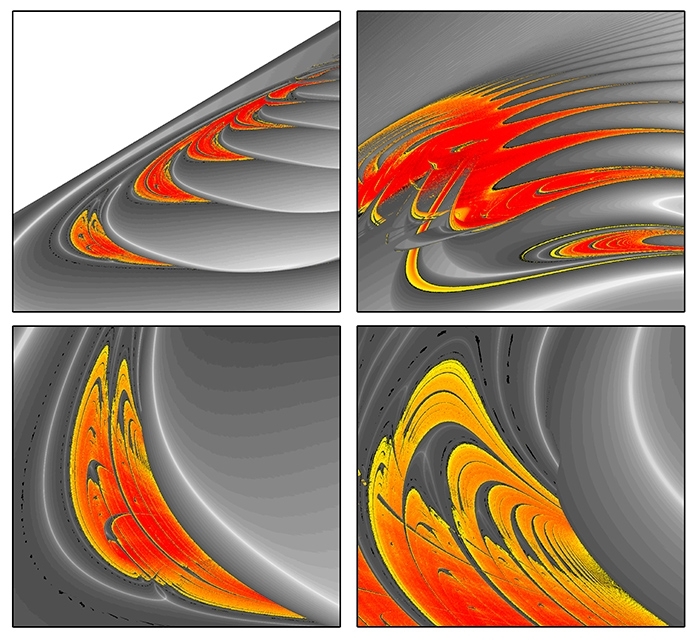
The research is featured on the cover of The Journal of Chemical Physics. The equations can also be applied to many other systems that combine processes with different time scales.
Functional magnetic resonance imaging of patients suffering from treatment-refractory dizziness suggests exacerbated activity of brain pathways related to anxiety and fear.
At the evaluation meeting, the steering committee highlighted forthcoming challenges for the program, such as intensifying exchanges between research groups and building links with school teachers.
Sprace Game 2.0, developed with FAPESP’s support, presents particle physics concepts in a virtual mission to colonize Mars. The game can be downloaded free of charge.
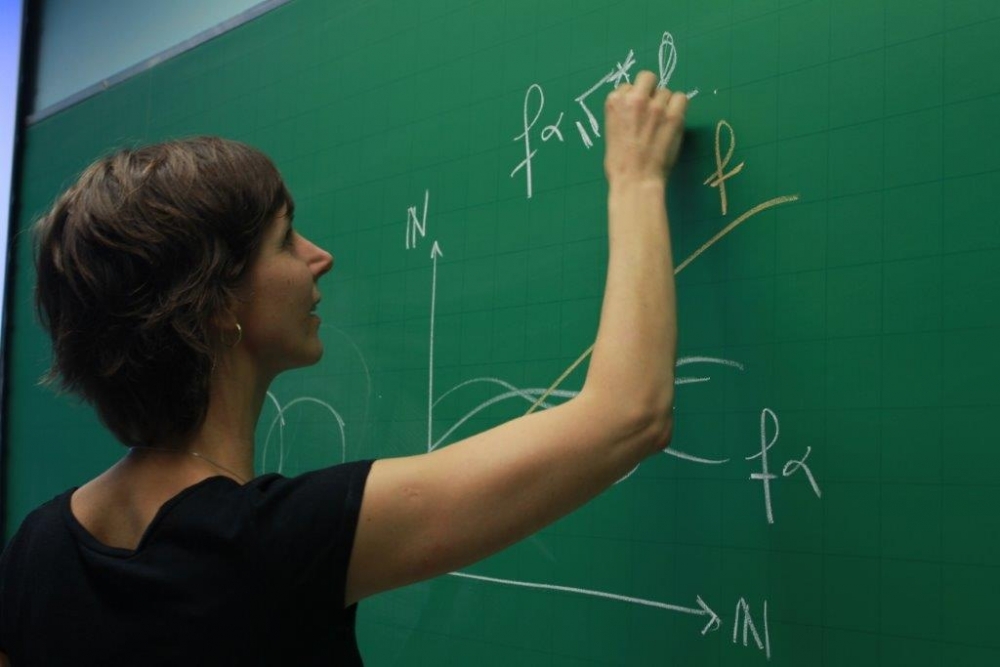
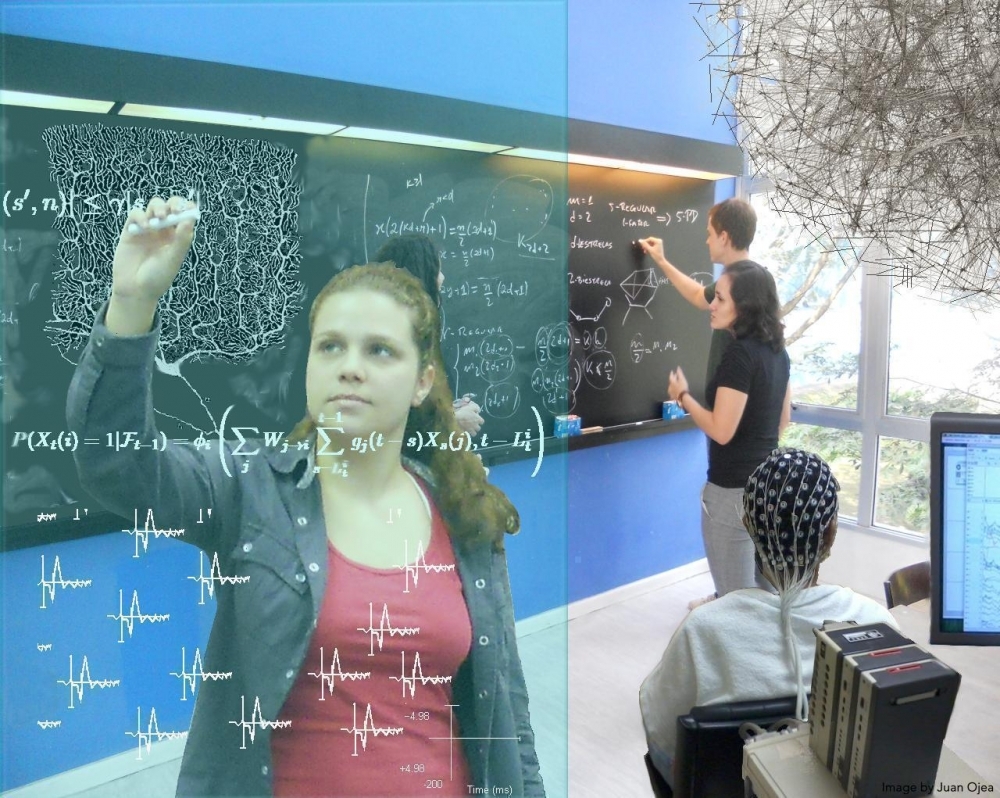
Researchers at the University of São Paulo are developing statistical and computational techniques to analyze large biological datasets, such as MRI brain scans.
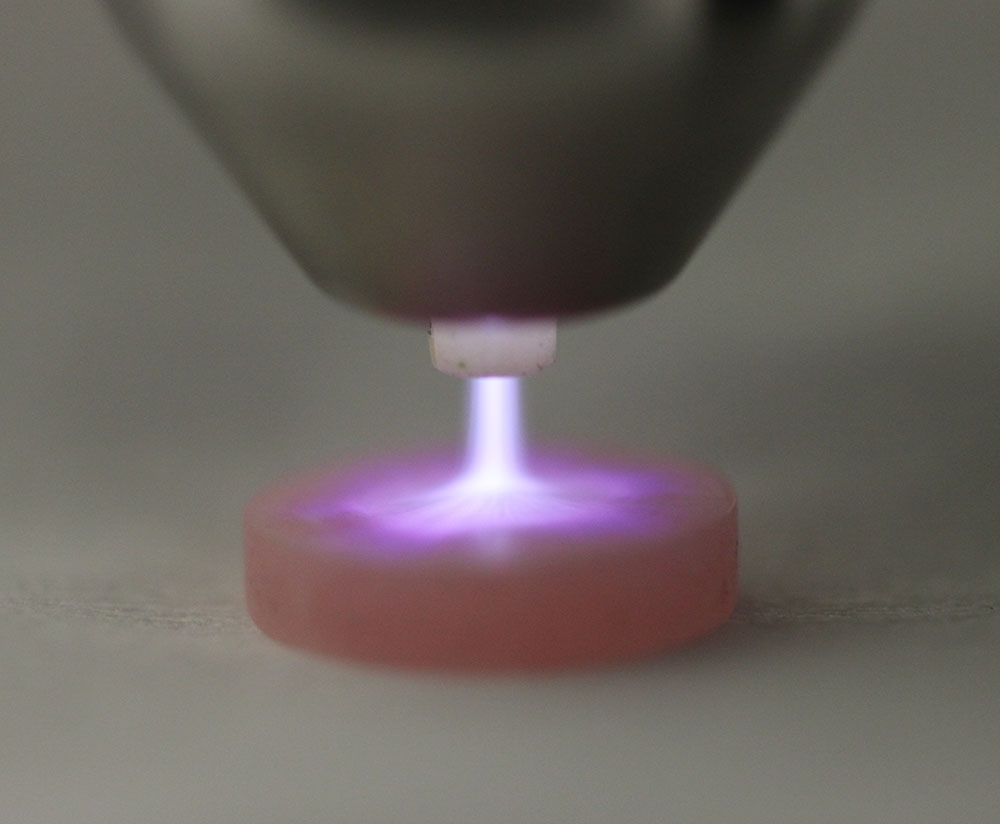
Research into the use of ionized gas to destroy bacteria that cause infections in teeth and gums has been chosen to represent Brazil at the annual meeting of the International Association for Dental Research.
The program is being developed by a team at the Research, Innovation and Dissemination Center for Neuromathematics, which is supported by FAPESP. The first module is available for download.
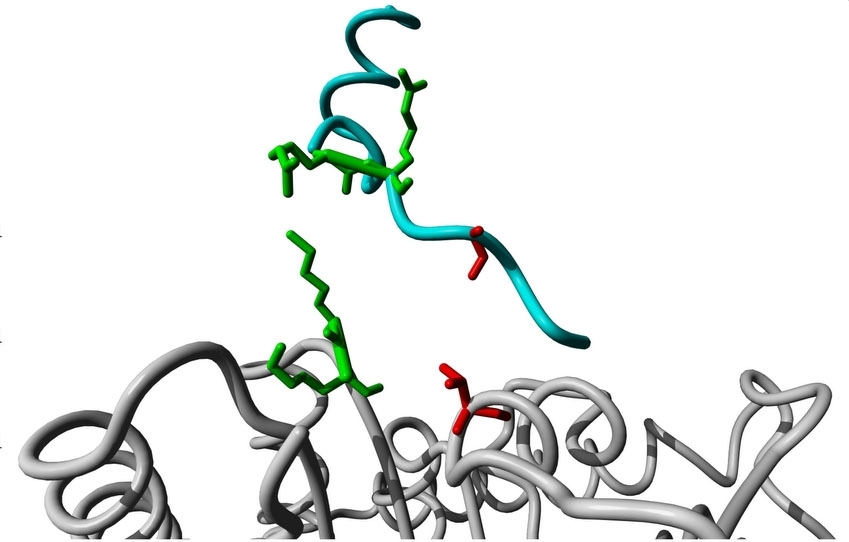
A research study featured on the cover of the journal Science Signaling explains the interplay of a chemical reaction known as phosphorylation, which is catalyzed by kinases.
A study conducted at the University of São Paulo using information gathered by the oceanographic research vessel Alpha-Crucis is published in a Geological Society book.
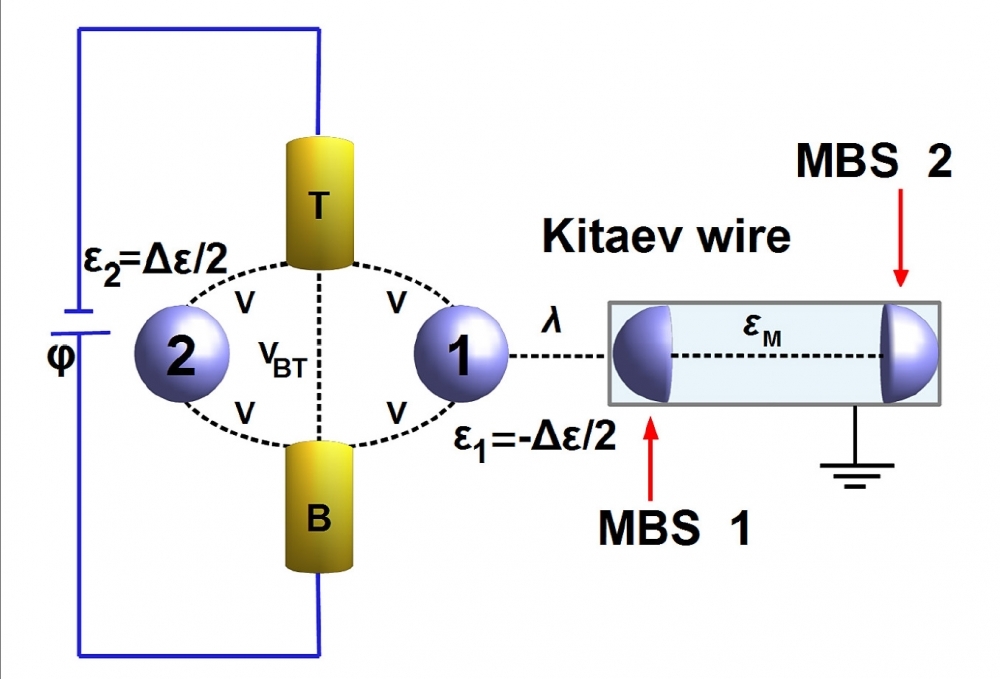
The Journal of Applied Physics features an article that describes a possible experiment for detecting the particle proposed by Italian physicist Ettore Majorana, who Enrico Fermi compared to Isaac Newton.
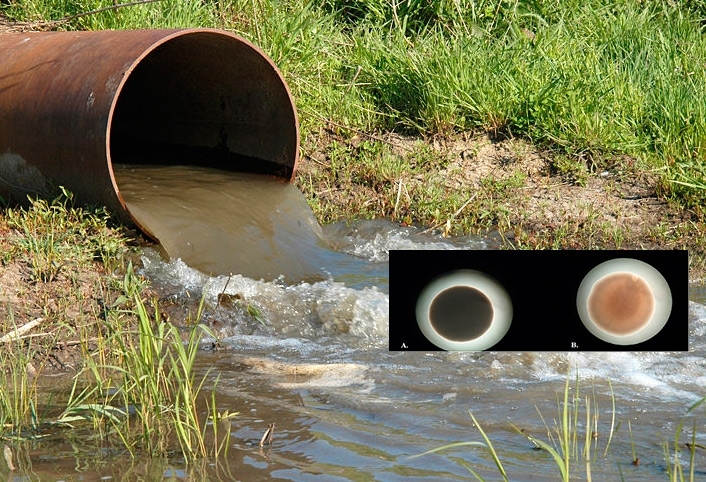
Microorganisms identified by researchers are able to eliminate toxic contaminants found in industrial wastewater; findings from the study were presented at the Brazil-U.K. Frontiers of Engineering meeting.
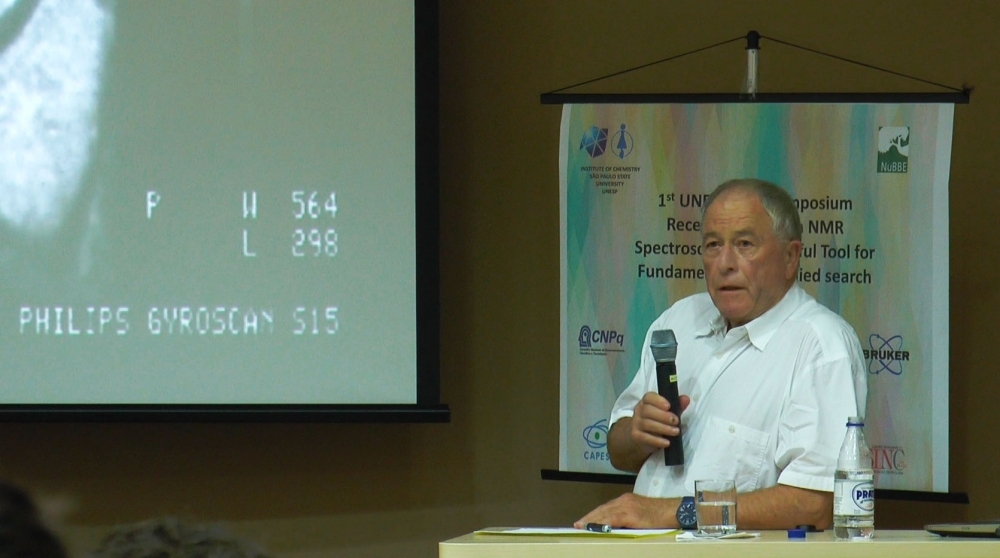
In an interview with Agência FAPESP, Kurt Wüthrich talked about how he began to develop the award-winning technique of protein structural analysis, driven by the desire to improve his athletic performance.
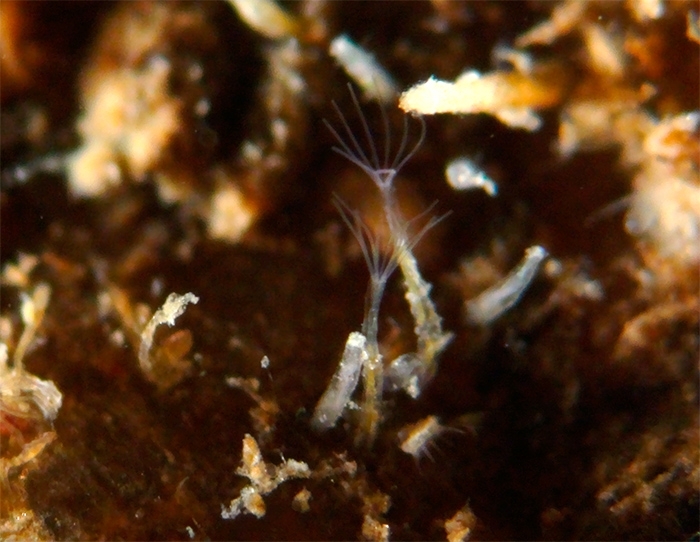
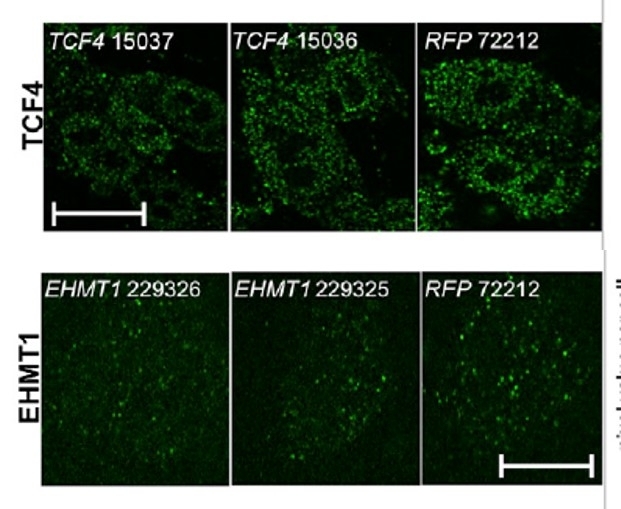
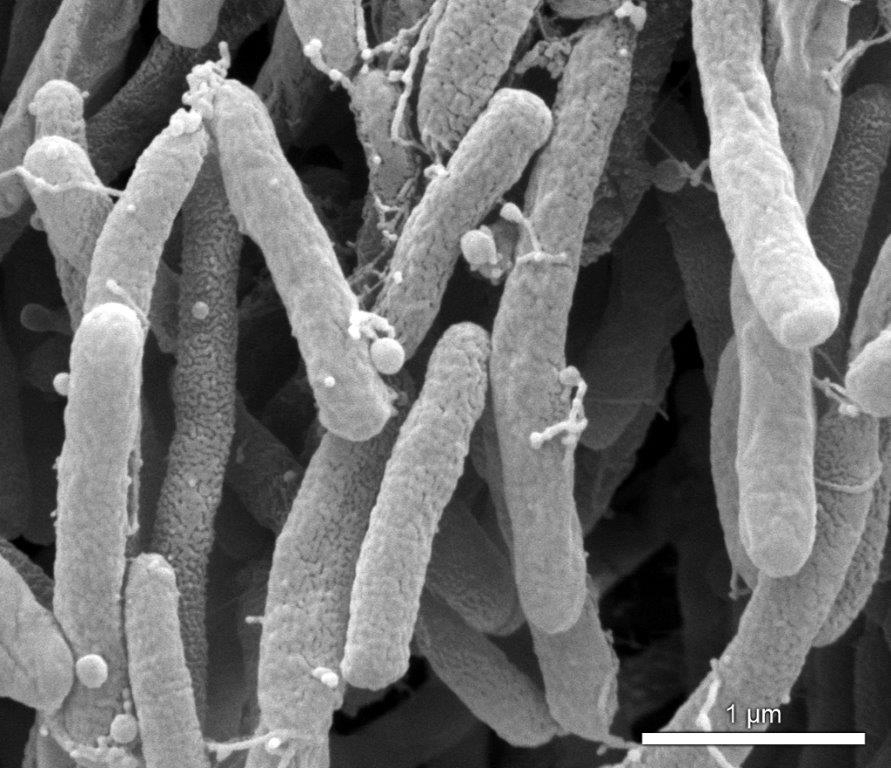
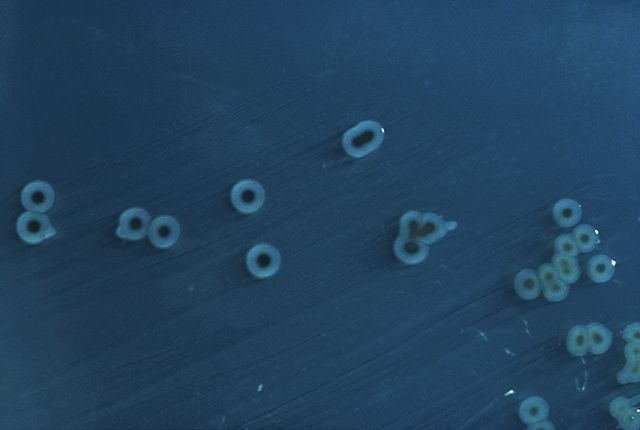
Researchers from the University of São Paulo and the University of California, Berkeley, found that Xylella fastidiosa produces nanoscale lipid particles to travel and spread more easily in plants.
Study describes a new pathway for the build up of the superoxide dismutase protein, which may be involved in the mechanism of amyotrophic lateral sclerosis.
This conclusion is from an assessment report on the global implementation of renewal energy systems drafted by scientists from Brazil and 24 other countries at the request of a UNESCO agency.
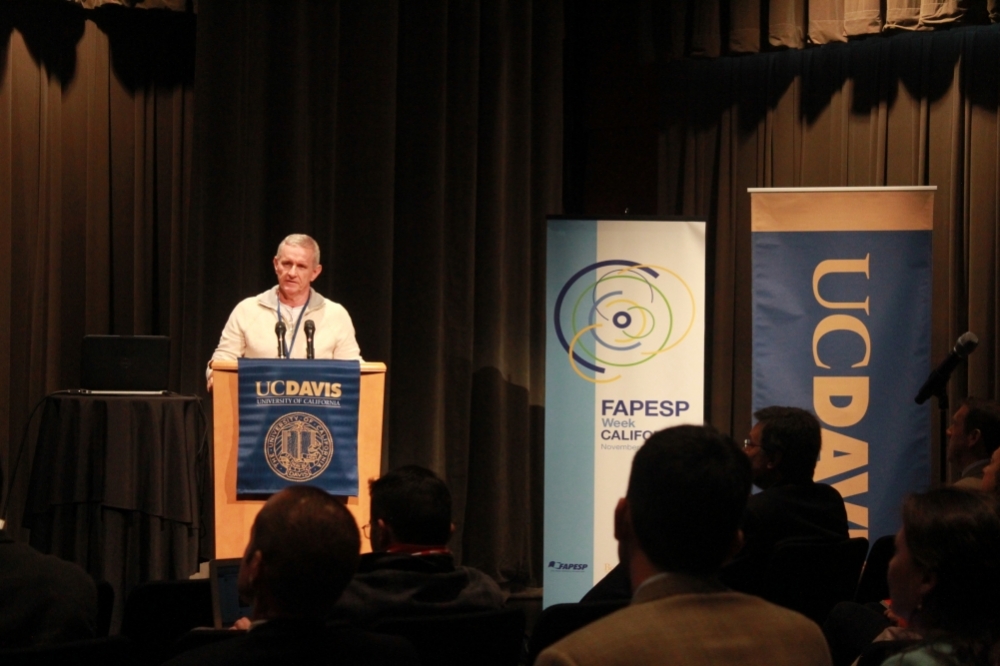
Researchers present studies underway at the Food Research Center, funded by FAPESP, along with food policies in place at the World Food Center of UC Davis.
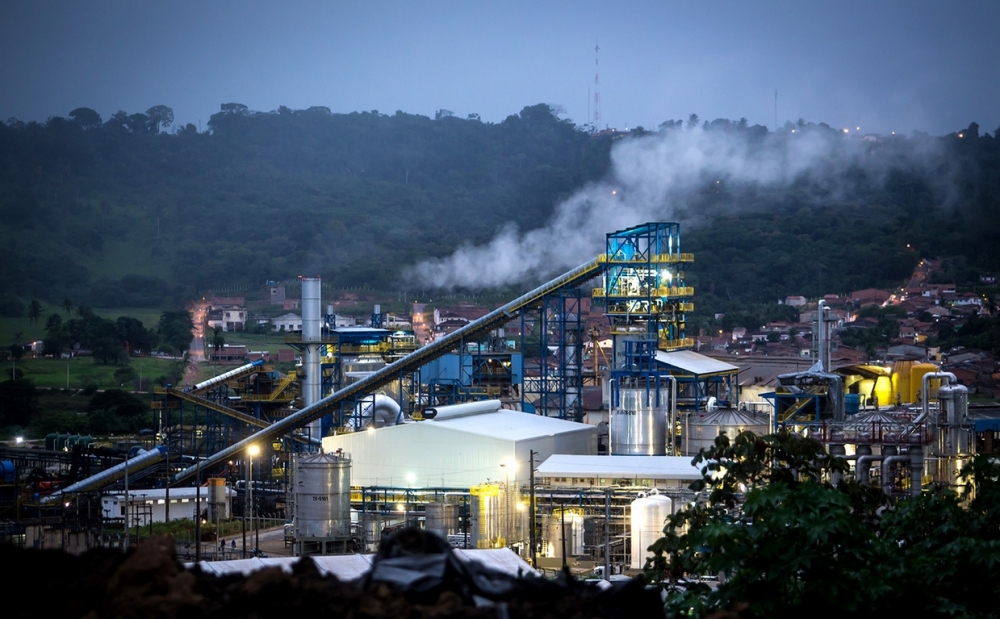
Built using technology developed by Ruihong Zhang, professor at the University of California, Davis, the plant converts 50 tons of organic waste to 12,000 kWh of electricity each day.
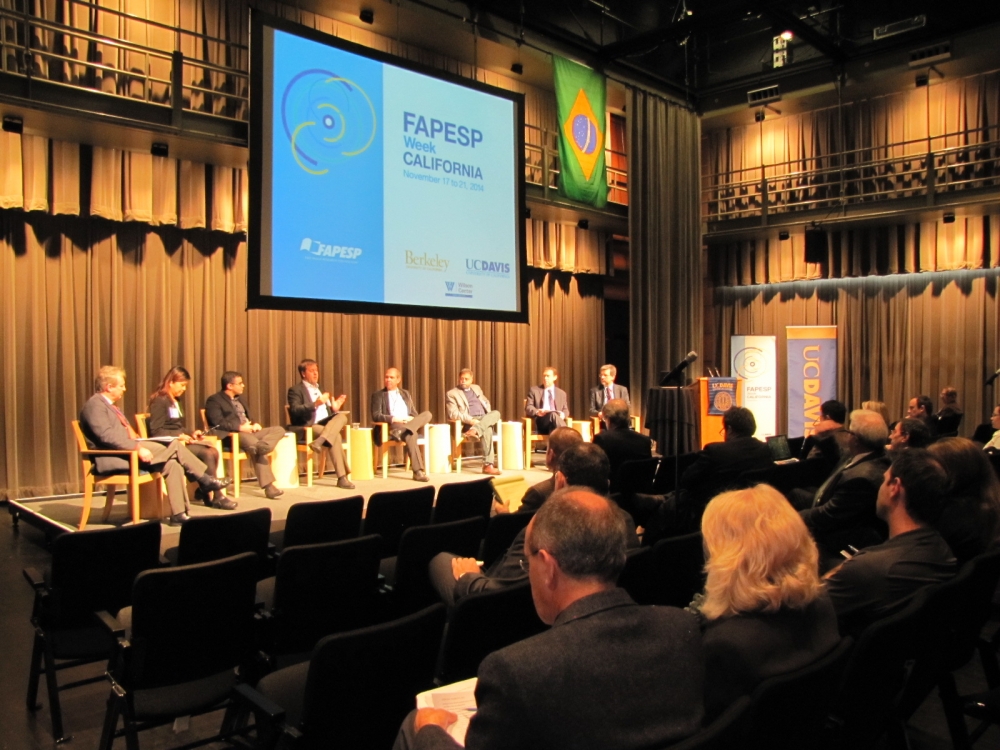
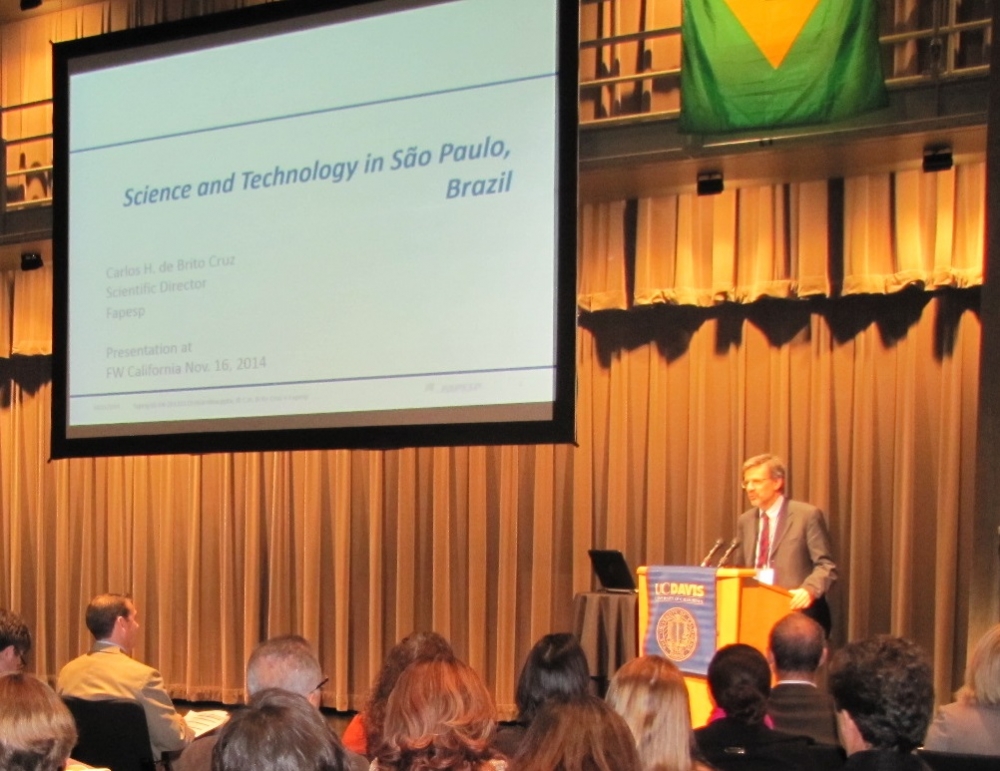
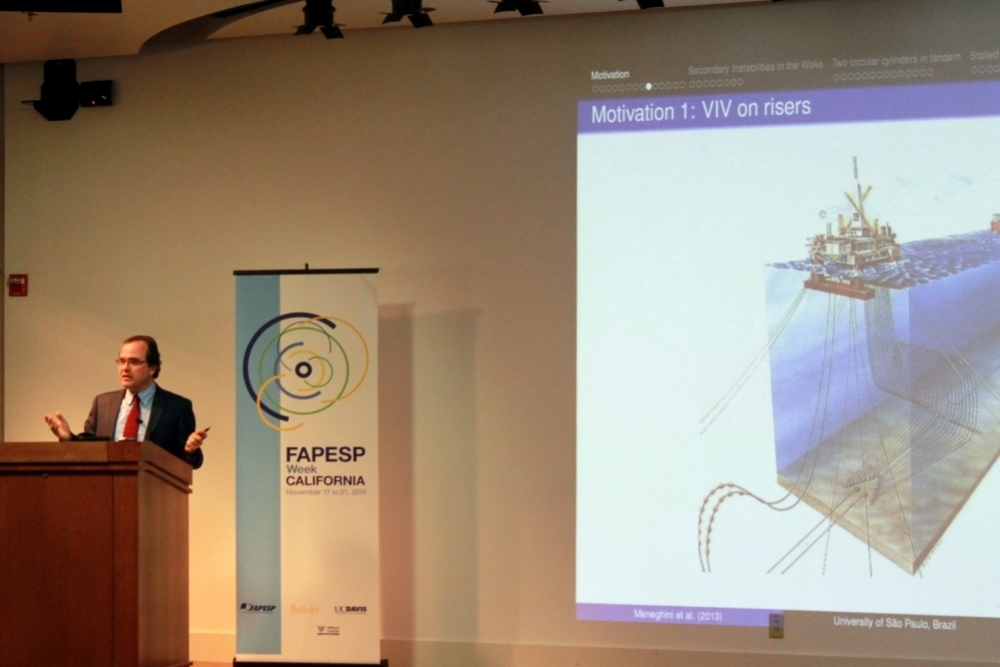
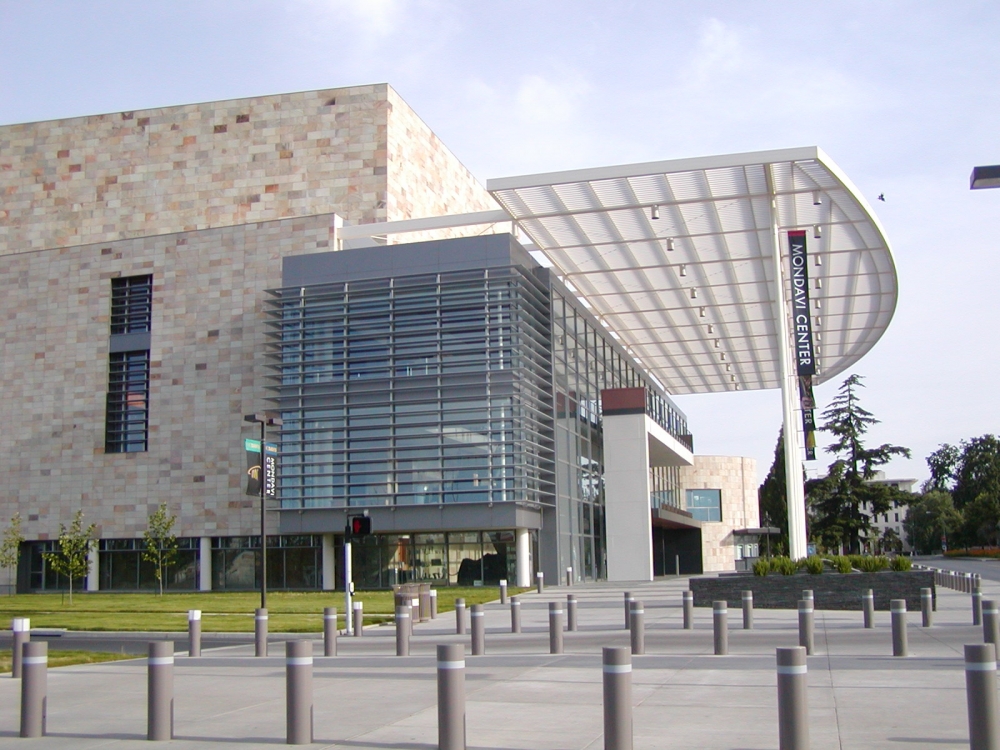
Nanotechnology for use in the concrete industry, developments in aviation and computational mechanics were some of the topics addressed during FAPESP Week California in Berkeley.
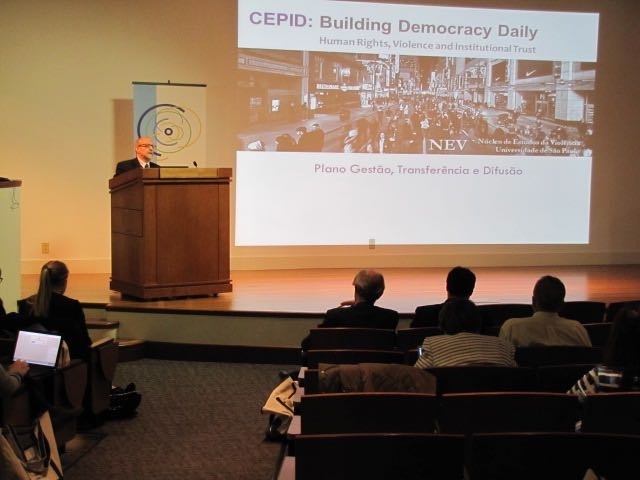
Researchers from São Paulo and the University of California, Berkeley examined possible research collaboration in the social sciences and strategies for citizen participation.
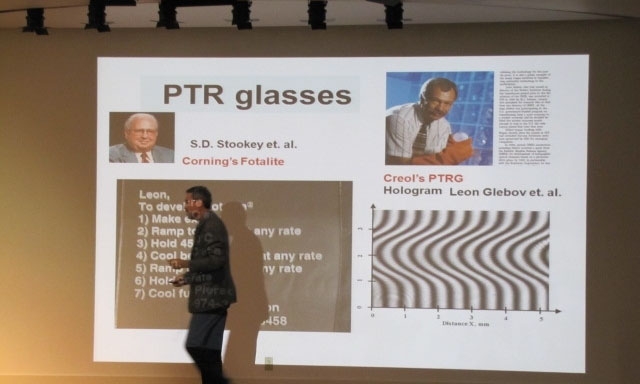
FAPESP Week California spotlights technologies for particle control and glass-ceramic compounds, both having applications in a variety of fields from medicine to consumer electronics.
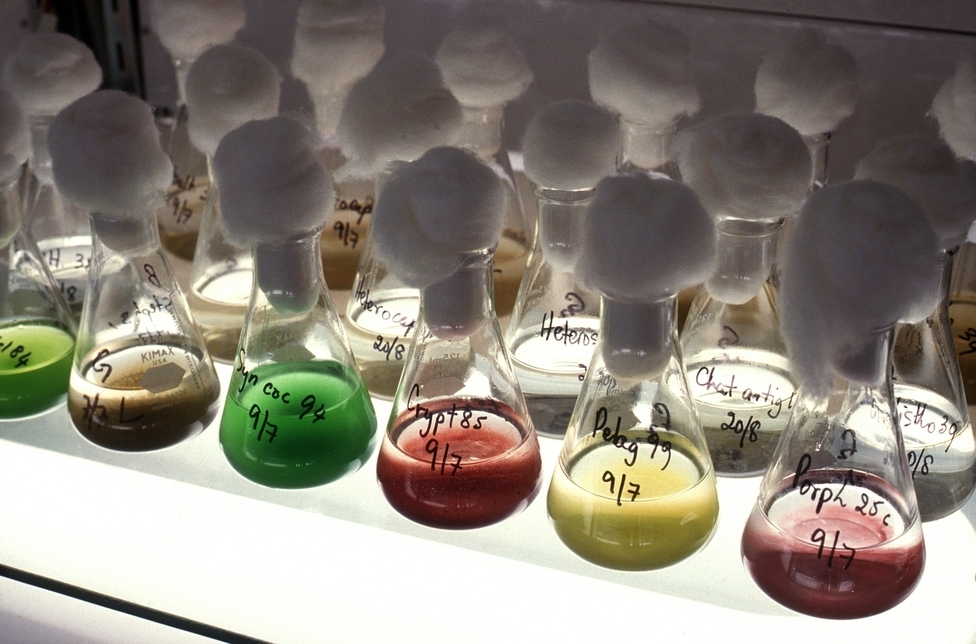
Researchers from the Los Alamos National Laboratory in the United States are developing strains of plant organisms that make better use of solar energy than wild strains.
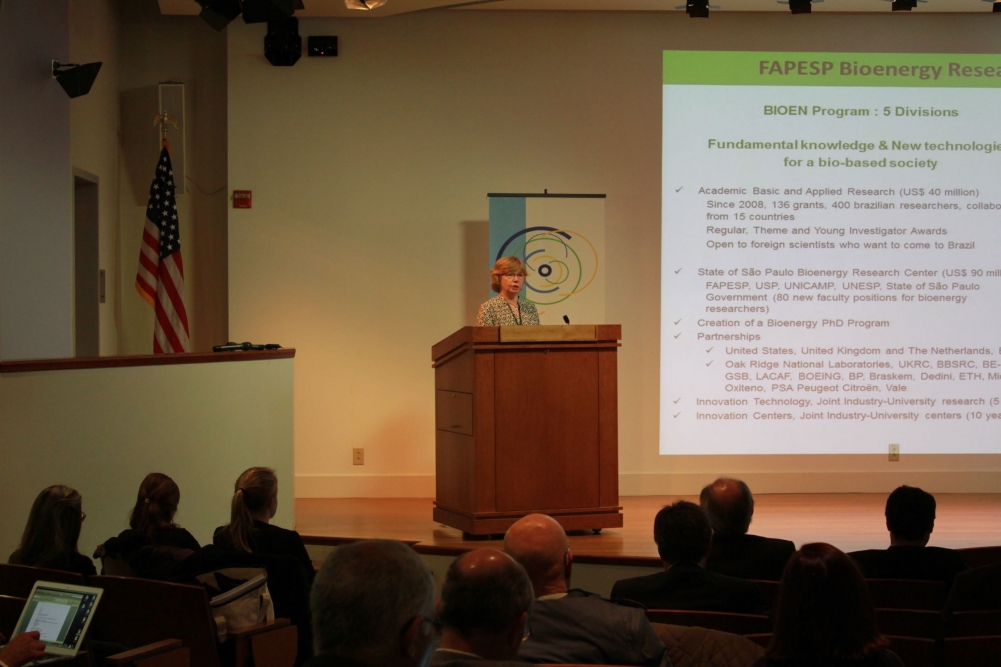
Researchers from Brazil and the United States discuss opportunities for cooperation involving renewable energy and applications for electronic devices in the medical field.
A multidisciplinary field aimed at the study of the atomic structure of materials and proteins through X-ray diffraction by crystals gains ground in Brazil with the construction of a new synchrotron source.
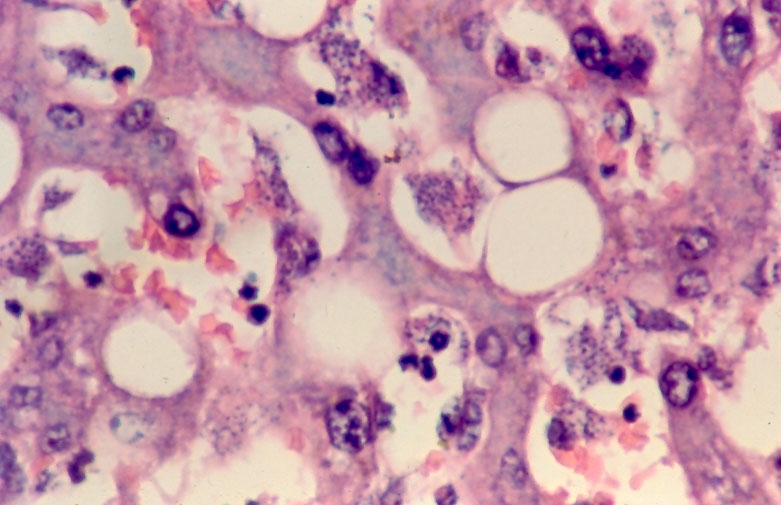
Salmonella enterica produces a protein similar to macroglobulin, which plays a key role in the human immune system. The article was published in Nature Communications.
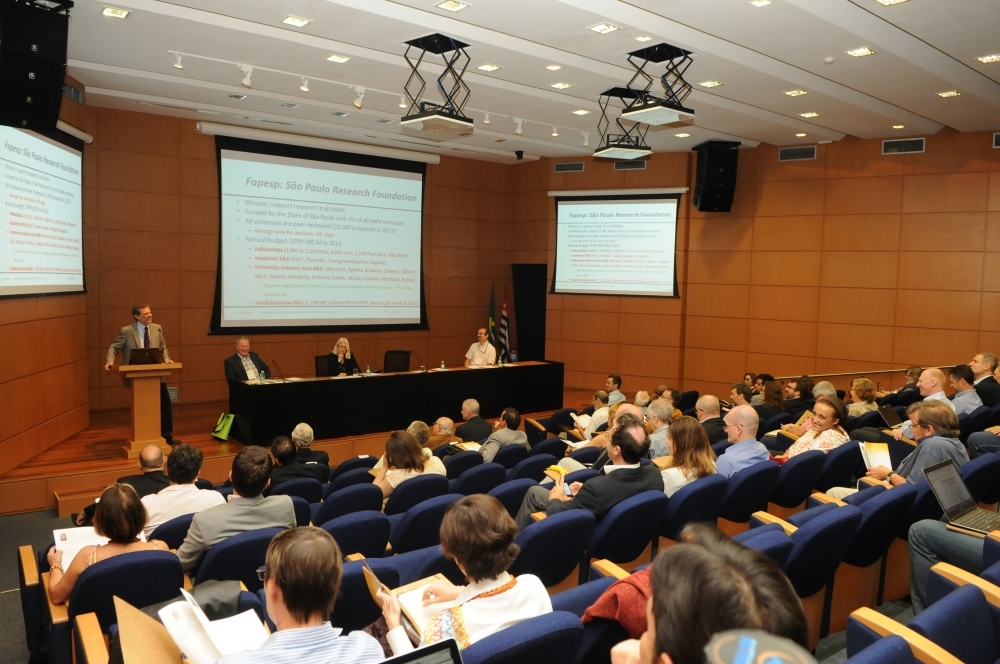
Brazilian and U.S. scientists will present study findings and discuss collaborative research in renewable energies, advanced materials, education, health, and State-society relations.